Stainless Steel Fermenter vs Plastic – A Complete Comparison Guide

Stainless Steel Fermenter vs Plastic – A Complete Comparison Guide

Choosing the appropriate fermenter material is very important in maintaining the product quality and cost in the brewing industry. For brewing equipment managers and production facility leaders, it can be difficult to choose the appropriate fermenter. This guide will make a comparison of a stainless steel and plastic fermenter, mainly focusing on their technical properties and suitability.

What is a Stainless Steel Fermenter?

What is a Stainless Steel Fermenter

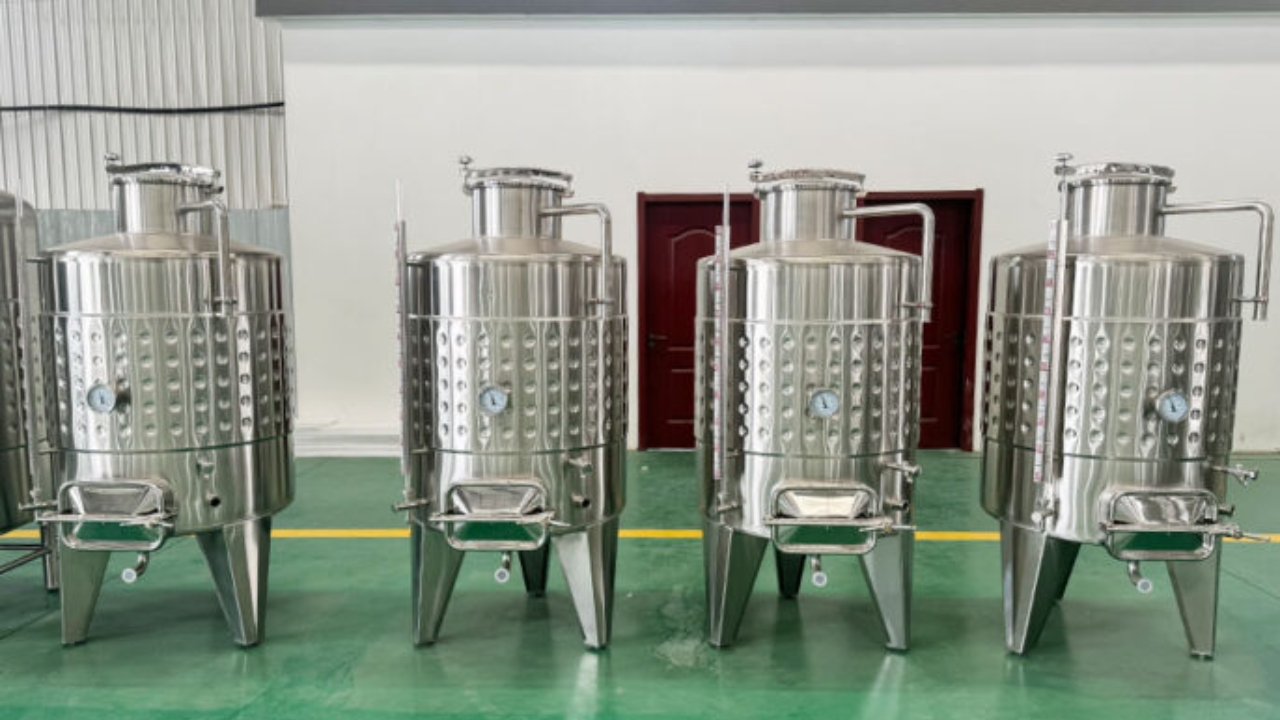
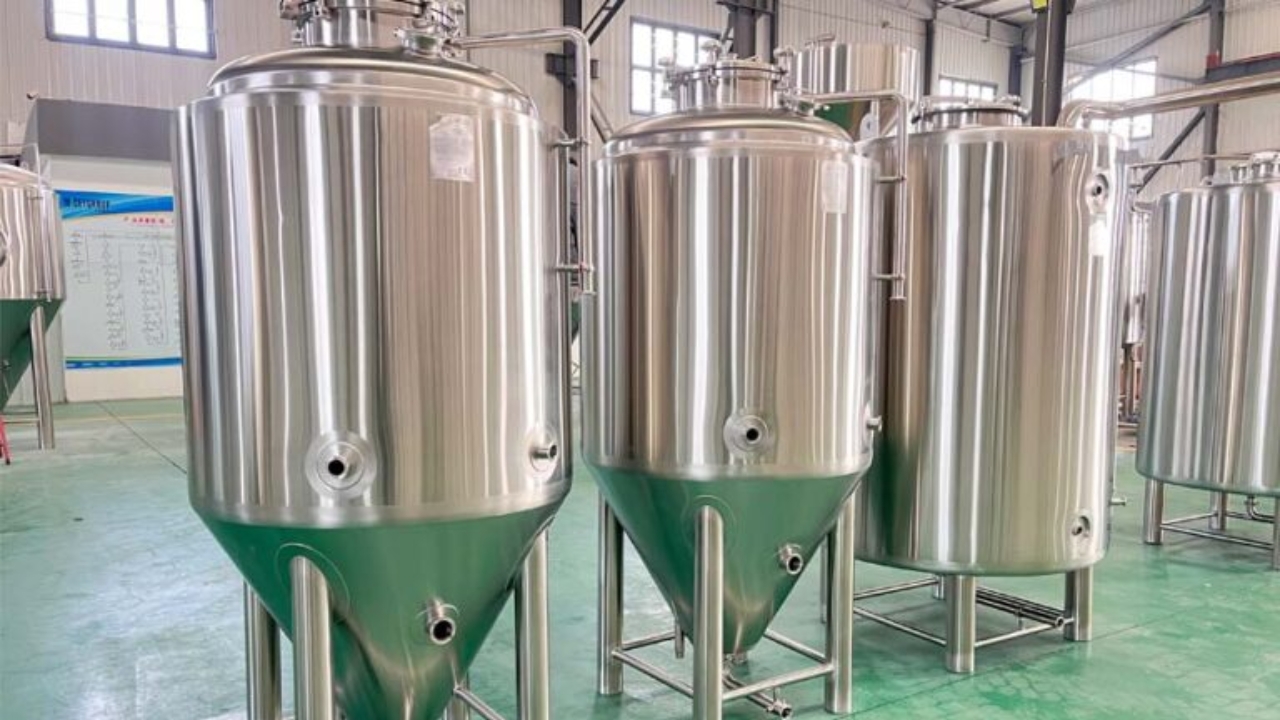
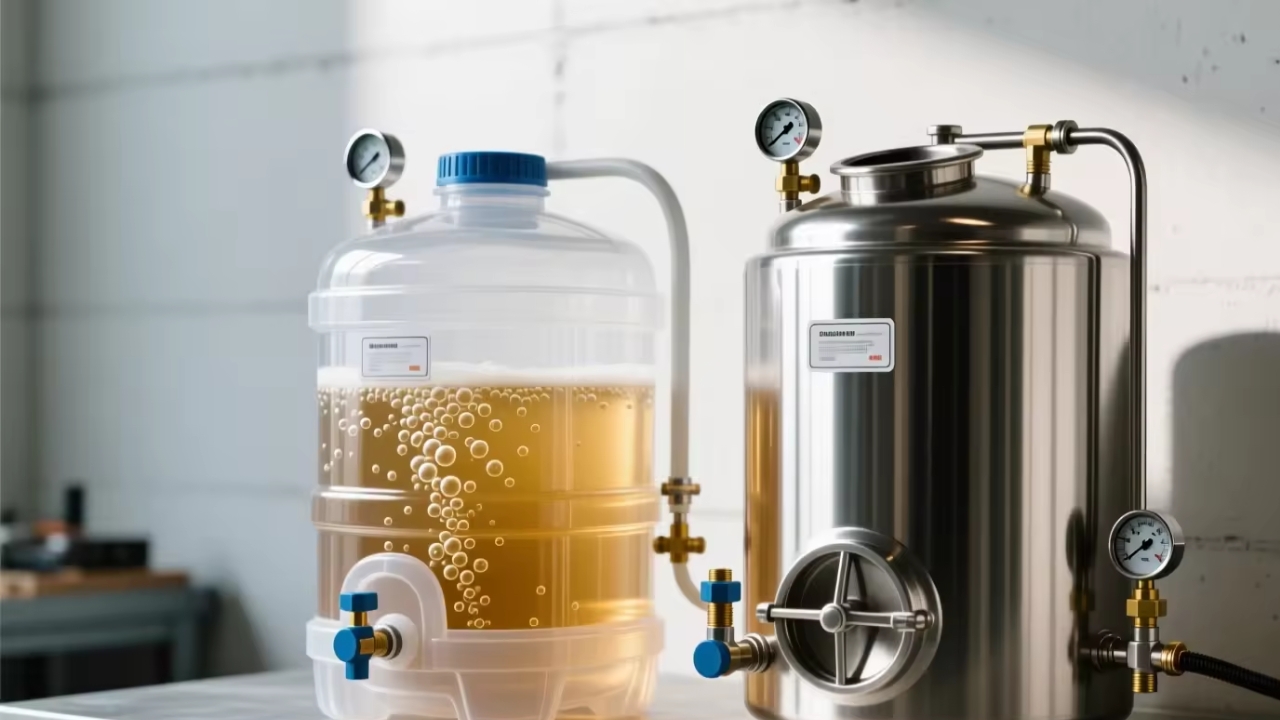
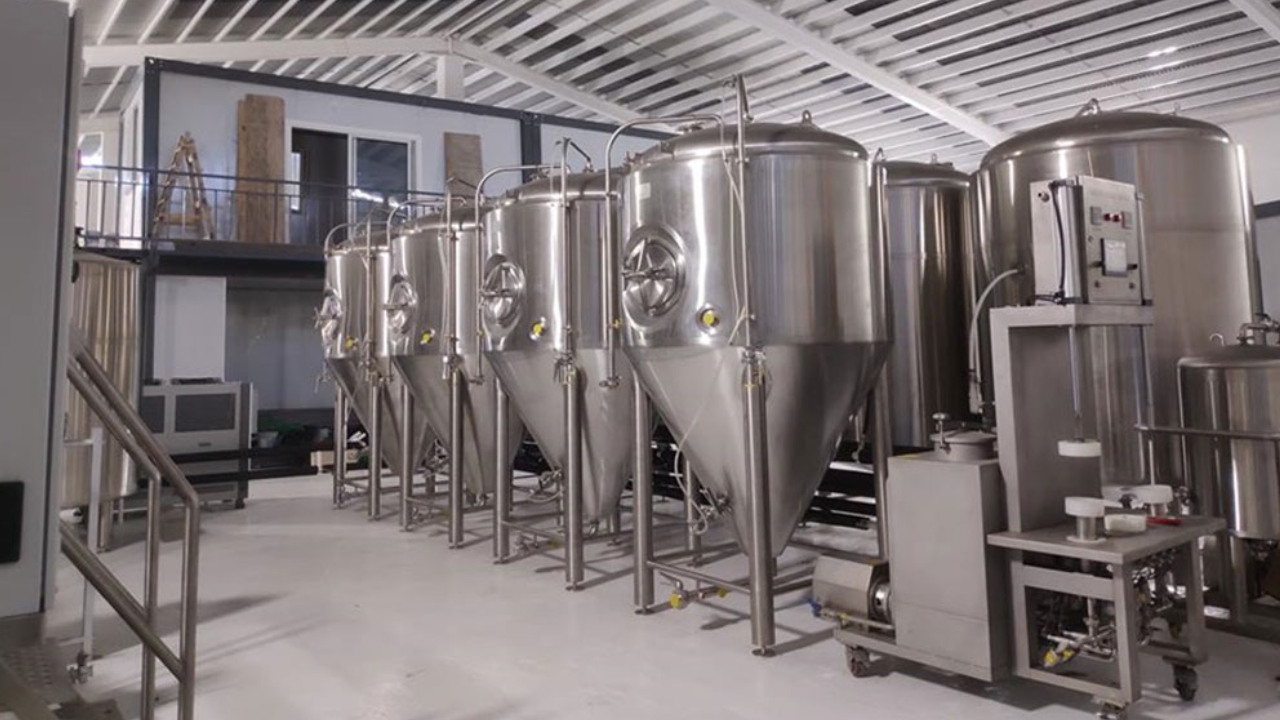
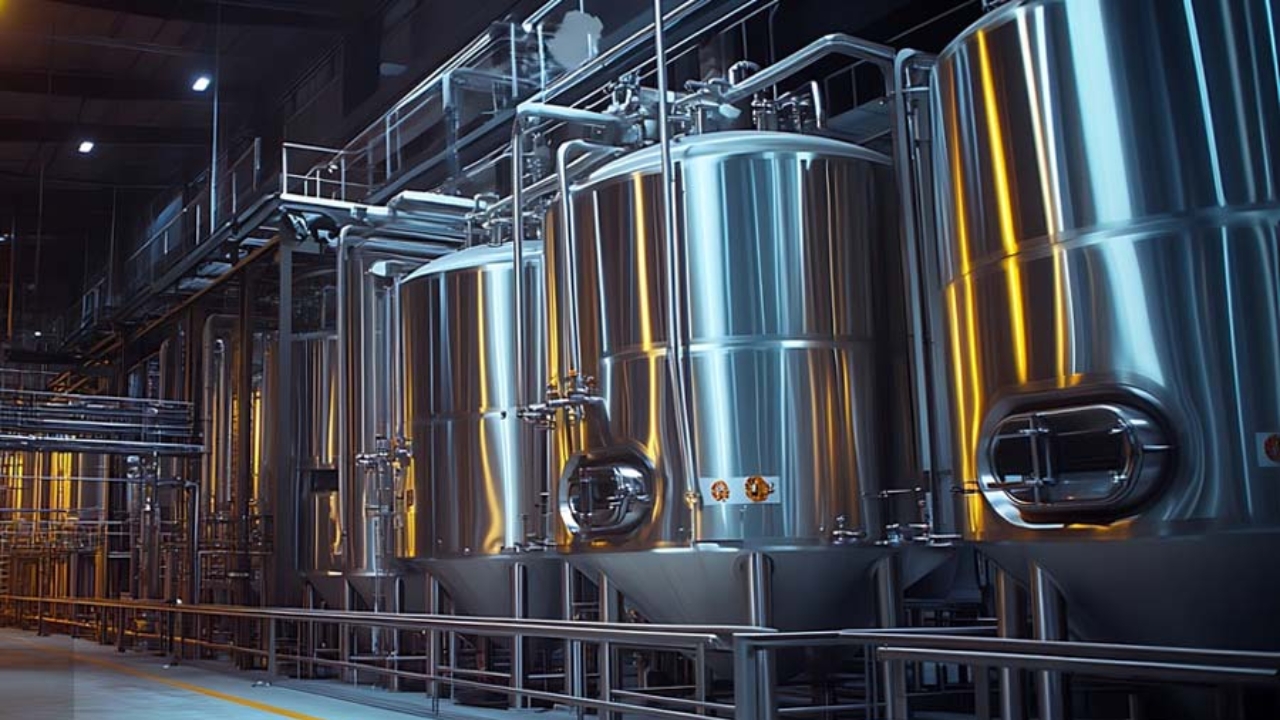
stainless steel fermenter is typically fabricated from 304 or 316-grade stainless steel. It is corrosion resistant, increases sanitation and preserves temperature. ステンレス鋼 is durable, washable, and long-lived, making it the best material to be used in quality fermentation processes.

What is a Plastic Fermenter?

What is a Plastic Fermenter

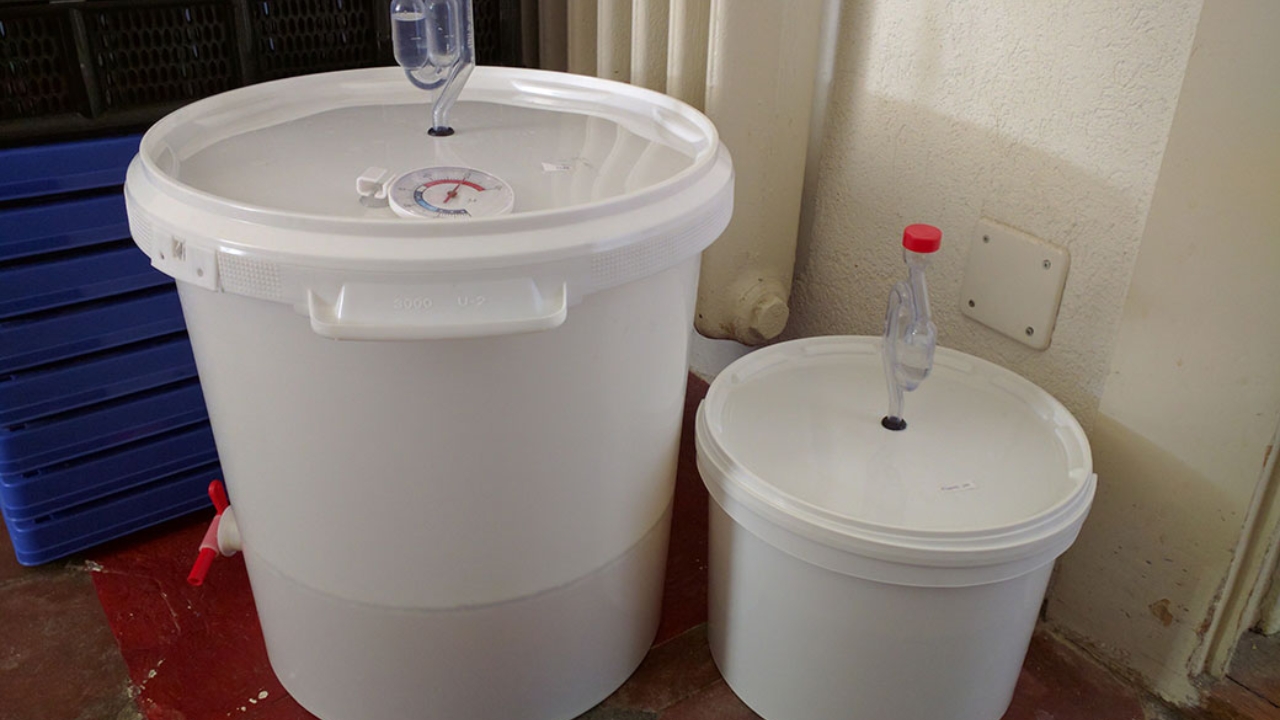
A plastic fermenter refers to a fermentation tank constructed from hard plastic, such as HDPE or PET. It is not heavy, cheap and not subject to impact. Plastic fermenters are convenient to deal with, but they can accumulate scratches and chemical reactions with time more than stainless steel.

Top 10 Key Differences between Stainless Steel Fermenter vs Plastic Fermenter

Top 10 Key Differences between Stainless Steel Fermenter vs Plastic Fermenter

1. Material Properties & Durability

  • Stainless Steel Fermenter

304 stainless steel is very resistant to corrosion especially in acidic conditions and is commonly used in fermentation. 

Another option is the 316 stainless steel. It is a form of stainless steel that contains molybdenum and is much more resistant to corrosion, especially in high-salinity environments. Stainless steel can withstand many years of service, 20-30 years with little maintenance due to its virtual imperviousness to UV degradation and physical impact.

  • Plastic Fermenter

The plastic fermenters are of HDPE (High-Density Polyethylene) または PET (Polyethylene Terephthalate). They are extremely vulnerable to UV degradation, resulting in cracking, brittleness and subsequent failure with prolonged use. They are normally useful between 5 and 10 years under normal conditions of use and maintenance. Plastics such as HDPE and PET, are susceptible to stress fractures, reaction to cleaning agents and temperature expansion.

2. Sanitation & Bacterial Control

  • Stainless Steel Fermenter

ステンレス鋼 has a smooth surface, which is non-porous, and no germs or spores grow on its surface. Stainless steel can be used alongside high-temperature cleaning and CIP (Clean-in-Place) systems, which frequently use caustic cleaning solutions and high temperatures reaching 85 °C. It is also immune to microbial accumulation, hence each lot is not affected by remnants of fermentation.

  • Plastic Fermenter

By being porous and prone to scratching, plastic fermenters offer a habitat to the bacterial and yeast colonies to grow, particularly in places that are hard to clean. Though it is possible to clean them with normal detergents, some microbes may grow in the scratches and thus affect sanitation.

3. Flavor & Odor Retention

  • Stainless Steel Fermenter

The surface of stainless steel is smooth and non-porous and thus does not stick to odors or flavors, thus maintaining a consistent quality of the product. The inert nature of stainless steel ensures that it does not interact with the fermenting material in any way. It also avoids uptake of volatile organic compounds (VOCs) making sure that no flavor remnants to be used in the past fermentations will interfere with the next fermentations.

  • Plastic Fermenter

Plastic fermenters are porous and therefore absorb flavors and odors and these can be transferred to subsequent batches, particularly when they are used repeatedly. Contamination risks also exist because the material may be left with volatile chemicals and flavors, which are hard to remove. This renders plastic unfit to be used over a long period of time, particularly in brewing.

4. Temperature Control

  • Stainless Steel Fermenter

Stainless steel fermenters are excellent in terms of thermal conductivity and stability, hence ideal for the maintenance of controlled fermentation temperatures. They may have cooling jackets or glycol-controlled temperature control systems, which provide fine control in temperature ranging between 5°C and 25 °C (41°F to 77 °F).

  • Plastic Fermenter

The thermal conductivity of the plastic fermenter is low, hence it is less efficient in ensuring consistent temperatures. They are prone to changes in temperature, which may be detrimental to fermentation. Moreover, plastic is subject to thermal deformation when subjected to high temperatures (more than 30 °C or 86 °F), and this may undermine the fermenter and the fermentation process itself.

5. Weight & Handling

  • Stainless Steel Fermenter

Stainless steel fermenters weigh significantly more (usually 30-150 kg) and thus must be handled by forklifts or trolleys. The extra weight gives stability to the fermentation process, especially when a high volume or pressure process is required. When large-scale operations are used, this weight would make the fermenter more stable and difficult to tip.

  • Plastic Fermenter

Plastic fermenters are portable (usually 3-20 kg), thus easy to move, transport and handle. They are however, light in nature and thus can tip or crack unless handled with care. The aspect is only appropriate to small-scale and home brewing, but not efficient for high-volume and large-scale brewing.

6. Oxygen Permeability & Long-Term Storage

  • Stainless Steel Fermenter

Stainless steel has almost zero oxygen permeability, thus being the best in reducing oxidative reactions in the course of fermentation. The poor oxygen transmission rate (OTR) helps a lot in keeping the oxidation danger at bay and conserving flavor. This property is essential to a high-quality fermentation and long-term storage as it stops off-flavors and ensures the stability of the fermented product over many years (even several years) without its degradation.

  • Plastic Fermenter

The permeability to oxygen of plastic fermenters is greater, usually by 3-5 times higher than in stainless steel, with HDPE or PET fermenters showing the greatest oxygen permeability. This enhanced OTR enhances the entry of oxygen into the fermenter, resulting in possible oxidation, which promotes deterioration of the product, off-flavors and reduced quality of the product as time continues.

7. Customization & Features

  • Stainless Steel Fermenter

Stainless steel fermenters have much room to be highly customized including the support of advanced capabilities like the use of glycol jackets to provide a stable temperature, pressure relief valves to allow safe high-pressure fermentation, manways to provide easy access and more specialized automated monitoring. Such characteristics allow a highly regulated, scaled fermentation process, particularly in large-volume, commercial brewing facilities, where it is extremely important to sustain a particular fermentation condition.

  • Plastic Fermenter

Plastic fermenters usually have very little customization and are limited to standard shapes and sizes. They do not have advanced features such as temperature control jackets or pressure relief valves. Moreover, their use is restricted to small-scale or homebrew applications. Plastic fermenters would be a better fit with simpler, low-volume brewing processes when the environmental conditions do not demand such a rigid control.

8. Lifespan & Long-Term Value

  • Stainless Steel Fermenter:

Stainless steel fermenters are designed to be durable in nature, with some of them lasting 20-30 years without much degradation under severe fermentation conditions. The durability and ease of upkeep make the stainless steel fermenters a cost-effective long-term investment especially when used commercially or in large-scale breweries where continuous and reliable operation is necessary.

  • Plastic Fermenter

Plastic fermenters last between 5 and 10 years before they start cracking, discoloring and failing. Their replacements are more common and thus may be costly in the long term. The cost of maintenance is not cost-effective in the long run, although its initial cost is less.

9. Cost & Affordability

  • Stainless Steel Fermenter:

The stainless steel fermenters are pricier to purchase initially, with their prices ranging between 500 and 5,000 dollars based on the capacity, grade of materials and customization. Nevertheless, they are very economical in long-term costs because of their durability, less maintenance requirements and minimum replacement costs in the long term.

  • Plastic Fermenter

Plastic fermenters are less expensive to purchase in the first place; they normally cost between 30 and 500 dollars. Nevertheless, they have shorter lives and require frequent replacement, hence they are more expensive in the long run. The reduced initial price is appealing to small operations, although it will add up in the long run.

10. Suitability & Use-Case

  • Stainless Steel Fermenter:

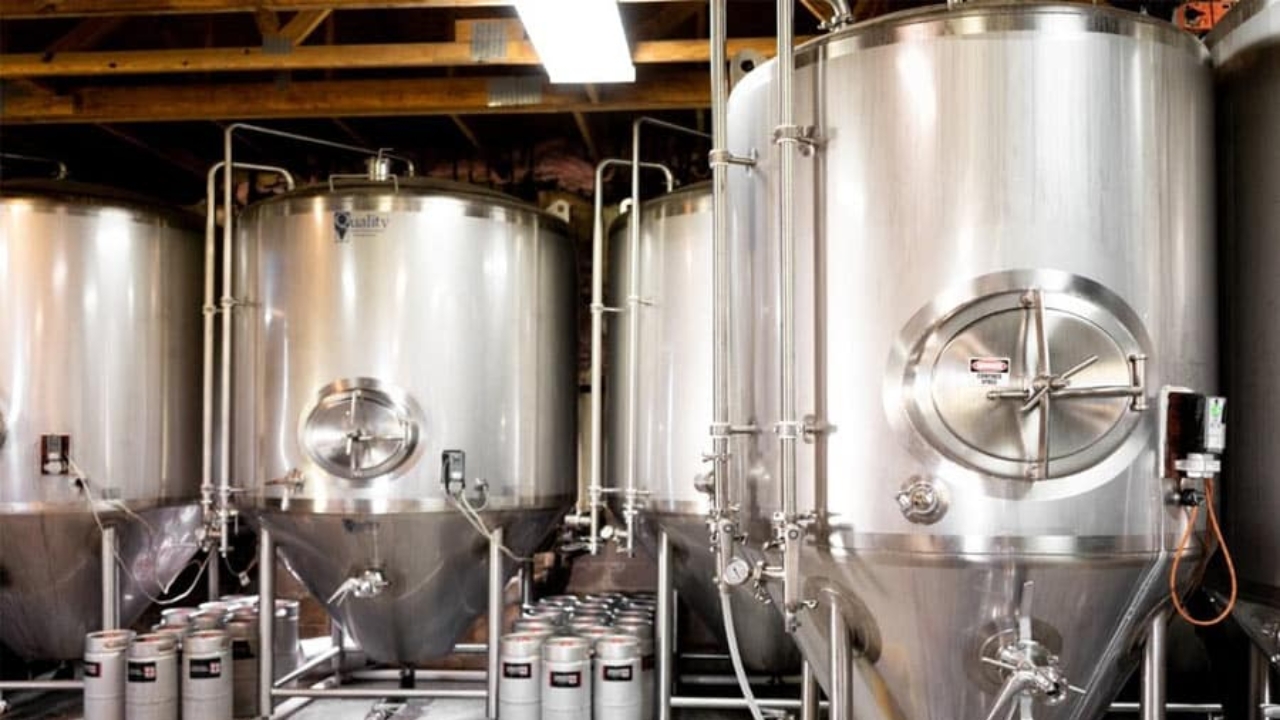
The stainless steel fermenter is appropriate for large-scale and high-volume commercial breweries and operations that need long durability of its use, accuracy in maintaining temperature and sanitation. They are best used in fermentation under high pressure and for long-term product storage.

  •   Plastic Fermenter:

Home brewers or small-scale operations with very tight budgets would use plastic fermenters. They are cheap, light and easily transportable; however, in high-volume, long-term brewing, they are not very appropriate because of their low lifespan and low thermal stability, as well as the high risk of contamination.

特徴 Stainless Steel Fermenter Plastic Fermenter
Material Properties & Durability Resistant to corrosion, rust, stains, and physical damage. Lasts longer. Prone to scratching, cracking, and UV degradation. Absorbs odors.
Sanitation & Bacterial Control Non-porous, easy to clean, minimal contamination risk. Susceptible to scratches, harder to clean and higher risk of contamination.
Flavor & Odor Retention Does not absorb flavors or odors and maintains fermentation integrity. Absorbs flavors and odors, which can affect future batches.
Temperature Control Excellent heat retention, stable temperature regulation. Poor heat retention, vulnerable to temperature fluctuations.
Weight & Handling Heavier, requires equipment for handling. Stable for large-scale operations. Lightweight, easy to transport, but prone to tipping and damage.
Oxygen Permeability & Long-Term Storage Low oxygen permeability, suitable for long-term storage without quality degradation. Prone to oxygen permeability, risks spoilage and off-flavors over time.
Customization & Features Highly customizable with additional features like temperature control and pressure valves. Limited customization, simple design, fewer features.
Lifespan & Long-Term Value Long lifespan, minimal maintenance, high long-term value. Shorter lifespan, frequent replacement and higher long-term costs.
Cost & Affordability Higher upfront cost but more economical in the long run. Lower initial cost, but higher long-term costs due to replacement and maintenance.
Suitability & Use-Case Ideal for large-scale, high-production environments. Best for small-scale or home brewing, trial batches, or cost-sensitive setups.

Stainless Steel Fermenter vs Plastic – Which One Is Better?

Stainless Steel Fermenter vs Plastic – Which One Is Better

Stainless steel fermenters have higher levels of durability, improved temperature control and reliability. They can be used in high-volume, commercial fermentations with superior sanitation and corrosion resistance. Plastic fermenters are cheaper, lighter and can be used in smaller-sized or home breweries. Nevertheless, they are not as durable, do not withstand temperature changes as well and are more easily damaged. Stainless steel is also a long-term and more consistent choice whereas plastic fermenters are cheaper and short-term.

よくある質問

よくある質問

Can plastic fermenters be used long‑term?

Plastic fermenters may be used in the long term; however, they deteriorate at a faster rate compared to stainless steel. They are also more likely to get scratches, break and get damaged by the UV. Plastic is also not the best choice because, over time, the plastic is able to capture odors and flavors, which reduces its longevity in terms of fermentation or storage.

Are stainless steel fermenters worth the cost?

Yes, stainless steel fermenters are expensive but worth it as they are durable, long-lasting and have good temperature regulation. They offer over time value over plastic due to their ability to offer high consistency in fermentation and are less hard to clean and sanitize.

Do fermenter materials affect flavor?

Yes, the materials of the fermenter can influence flavor. Stainless steel is unbiased and does not have a taste and plastic might retain the flavor and aroma of the previous batches, which can give future fermentation a different taste.

Are stainless steel fermenters easier to clean than plastic ones?

Yes, fermenters made of stainless steel are simpler to clean. The surface that does not allow bacteria to grow and accumulate residue because of its smoothness and non-porosity makes it easier to clean and sanitize than plastic, which can also accommodate bacteria in scratches.

Is beer clarity affected by fermenter material?

Yes, the clarity of beer may also be influenced by the material of fermenters. Stainless steel allows a less rugged surface that minimizes the chances of contaminants that may obscure the beer. Plastic fermenters can lead to the formation of more haze because they can scratch the yeast and sediment.

Is sanitizing plastic harder than stainless steel long term?

It is true that plastic sanitation is more difficult in the long run. A plastic fermenter may have scratches and it becomes hard to eliminate bacteria and residues. The non-porous nature of stainless steel makes it easier to clean and the chances of contamination are lower.

Can you transfer directly from a stainless steel fermenter to a keg without oxygen pickup?

 Yes, it is possible to transfer out of a stainless steel fermenter into a keg without oxygen uptake. When fitted with a closed transfer system, stainless steel fermenters reduce oxygen exposure, thus maintaining the quality of the beer and lowering oxidation risks during the transfer process.

Why Partner with KDMSteel

Why Partner with KDMSteel

The selection between stainless steel and plastic fermenters depends on the size of your operation, your budget, and the long-term requirements. Stainless steel is durable and reliable when used in large-scale production, as compared to plastic, which is cheap when used on smaller setups. Consider KDMスチール そして 今すぐお問い合わせください to get information by experts on the best option of fermenter to provide to meet your brewing needs.

jaJapanese
上へスクロール
x
今すぐお問い合わせをお送りください
ファイルをアップロード
x
今すぐお問い合わせをお送りください
ファイルをアップロード