



Standard circuit breaker sizes directly impact the layout of electrical cabinets and project compliance. Given these different current ratings, frame sizes, and different regional codes, how do you know which size is right? This article will help you understand the key specifications and dimensional differences among various circuit breakers, making the selection and design process easier.
What Are Standard Circuit Breaker Sizes?
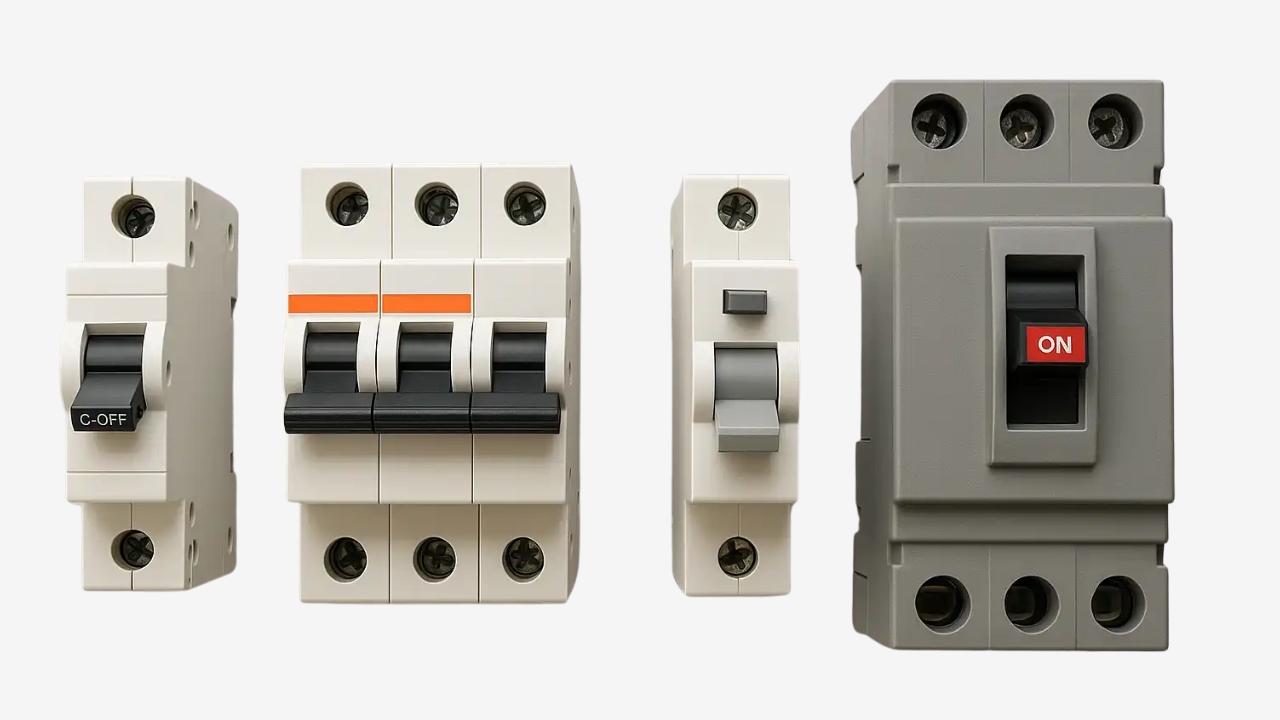
Standard circuit breaker sizes are not just in terms of physical appearance. They also involve various compatibility parameters. When you select a model, don’t just look at the amp rating. Its frame size, number of poles, and mounting dimensions will all impact the layout of your electrical cabinet.
The following are the key reference parameters:
| Parameter | Cabinet Structural Role |
| Amp Rating | Wire gauge, terminal blocks, and ventilation space. |
| Frame Size | Physical dimensions of the chassis, main mounting plate area, and door opening boundaries. |
| Pole Configuration | Horizontal spacing, DIN rail length, and backplane layout. |
| Peringkat Tegangan | Air gap safety distance, insulation boundary, and phase-to-phase clearance |
| Mounting Dimensions | Enclosure depth profile, structural bracket locations, and sheet metal drilling patterns. |
By comparing all relevant parameters, you can improve the accuracy of your design. It will also point you in the direction of other considerations of size and help prove the design meets the practical needs of the project.
Standard Circuit Breaker Sizes by Type
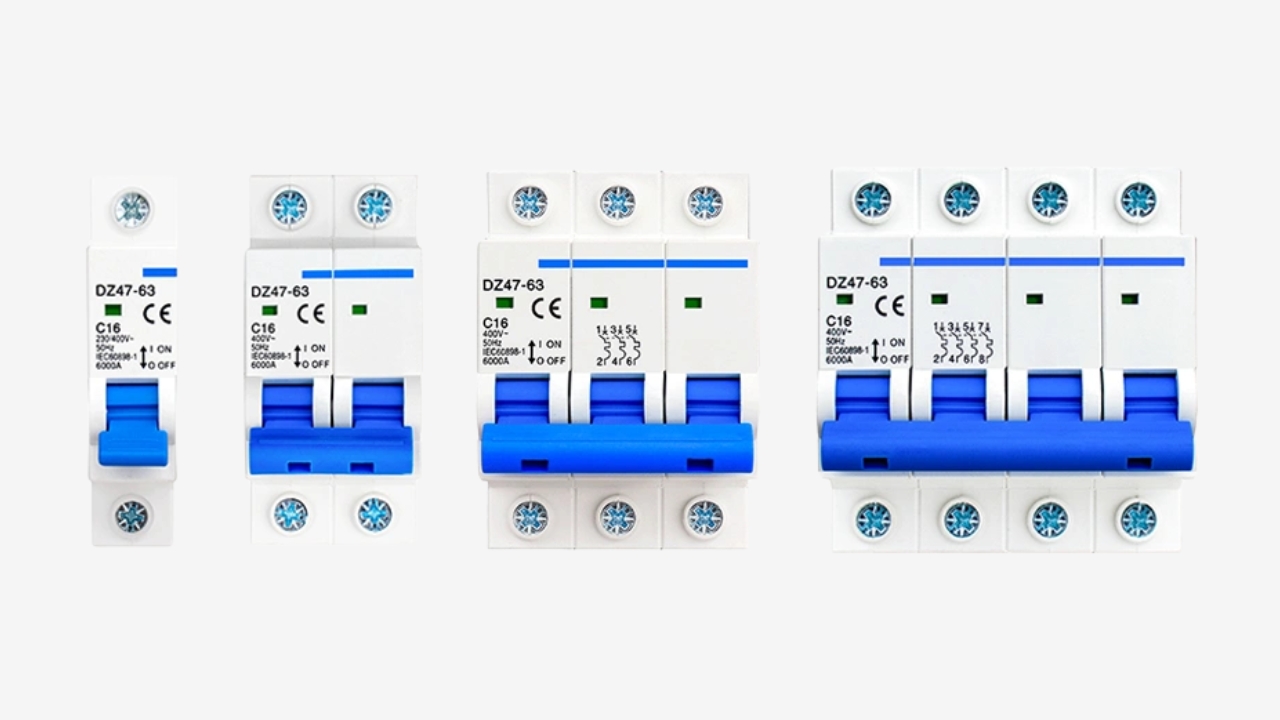
MCB Sizes
If your project primarily involves branch circuits and equipment control, you will most frequently use MCB specifications and sizes. These circuit breakers have a compact design. In the industry, they are typically mounted in dense arrays on DIN rails, with a horizontal layout commonly adopted inside kandang.
During cabinet design, these components place virtually no requirements on cabinet depth. The emphasis of the design is horizontal. When designing multi-circuit control cabinets, you need to be aware of the total width being taken up by a complete row of MCBs. This directly affects the layout of panel cutouts and the allocation of internal space.
MCCB Frame Sizes
When moving into power distribution or medium-to-high load applications, the internal layout of the cabinet naturally shifts toward the MCCB level.
Compared to MCBs, this type of equipment occupies a more clearly defined installation area. The space required for cable routing and busbars is also correspondingly expanded, and the functional zoning within the cabinet becomes increasingly distinct.
At this stage, cabinet layout is typically organized around the MCCB frame size, and the division of mounting panels, as well as the allocation of cabinet width, are carried out in parallel. For industrial electrical cabinets and OEM power equipment, this level reflects a transition from a densely packed structure toward a more functionally divided cabinet layout.
ACB Industrial Breaker Sizes
In primary feeder systems or large-scale industrial electrical distribution systems, ACBs are typically the key reference point for cabinet design.
These circuit breakers are larger in size and more complex in structure. Their installation space directly affects the overall layout. When selecting an ACB, you should tailor the cabinet structure to accommodate its size. Cabinet depth, maintenance access, and busbar layout must all be planned according to the circuit breaker’s dimensions. Removable components and operating clearances must also be taken into account.
In many large-scale electrical distribution projects, the cabinet’s internal layout is often designed starting from the specifications of the main circuit breaker and expanding outward from there.
Circuit Breaker Sizes by Amperage and Frame Rating
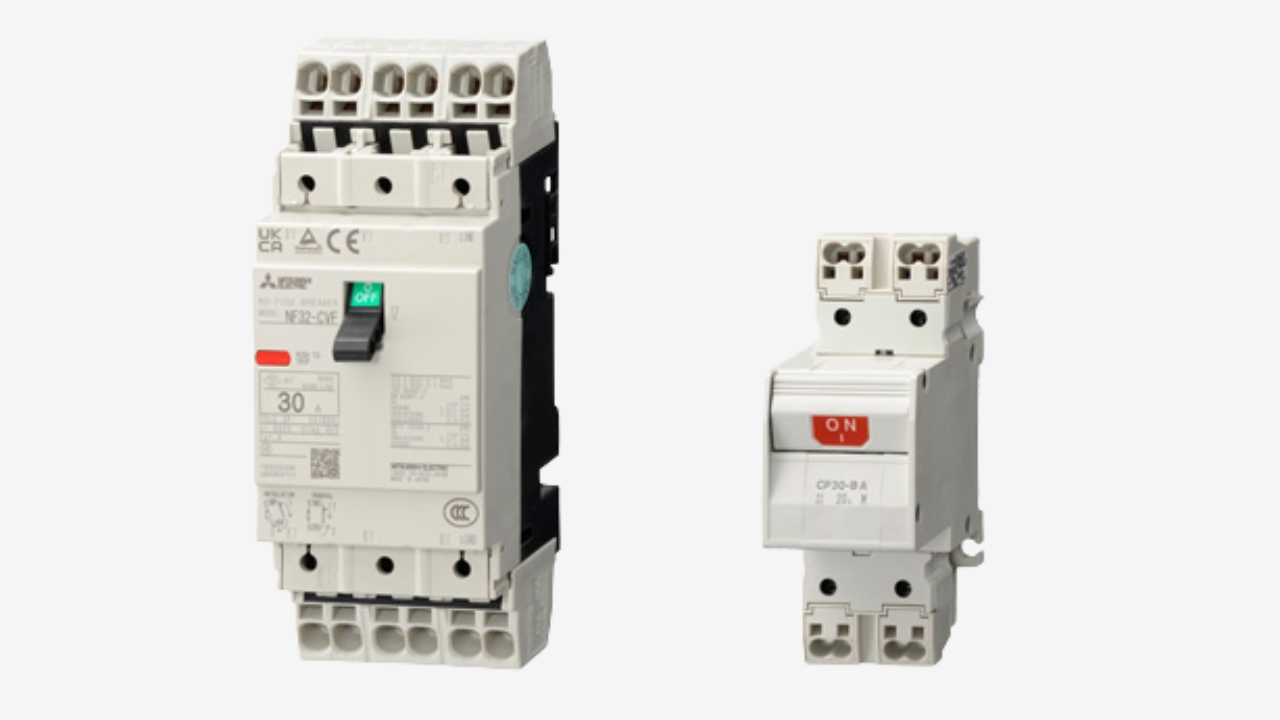
When designing a circuit breaker enclosure, the rated amperage and the frame size are the two largest determining factors for your choice. The rated amperage dictates the load capacity, while the frame size directly affects the installation size of the equipment.
A single frame size can accommodate multiple ampere ratings, with relatively little change to the size of the enclosure. During the cabinet design phase, you should first determine the frame size and then select the specific ampere rating. See the table below for details:
| Frame Rating | Typical Amperage Range | Mounting Dimensions | Design Considerations and Practical Notes |
| 125AF | 15–125A | Compact design, fits standard DIN rails | Ideal for high-density layouts; setting up the framework first and then configuring the power supply helps avoid most installation issues. |
| 250AF | 100–250A | Standard mounting area | It is compatible with conventional power circuits and can be implemented using a standard layout. |
| 400AF | 250–400A | Requires dedicated mounting space | Allow sufficient space for heat dissipation; choosing the wrong frame will directly affect equipment assembly. |
| 630AF | 400–630A | Installed in independent compartments | Optimizing busbar layout design; dimensional errors can increase the cost of cabinet modifications |
| 800AF and above | 700+A | Equipped with separate enclosures | Most commonly used in feeders and main circuits; incorrect selection typically requires remaking the sheet metal |
Standard Breaker Sizes by Voltage and Region
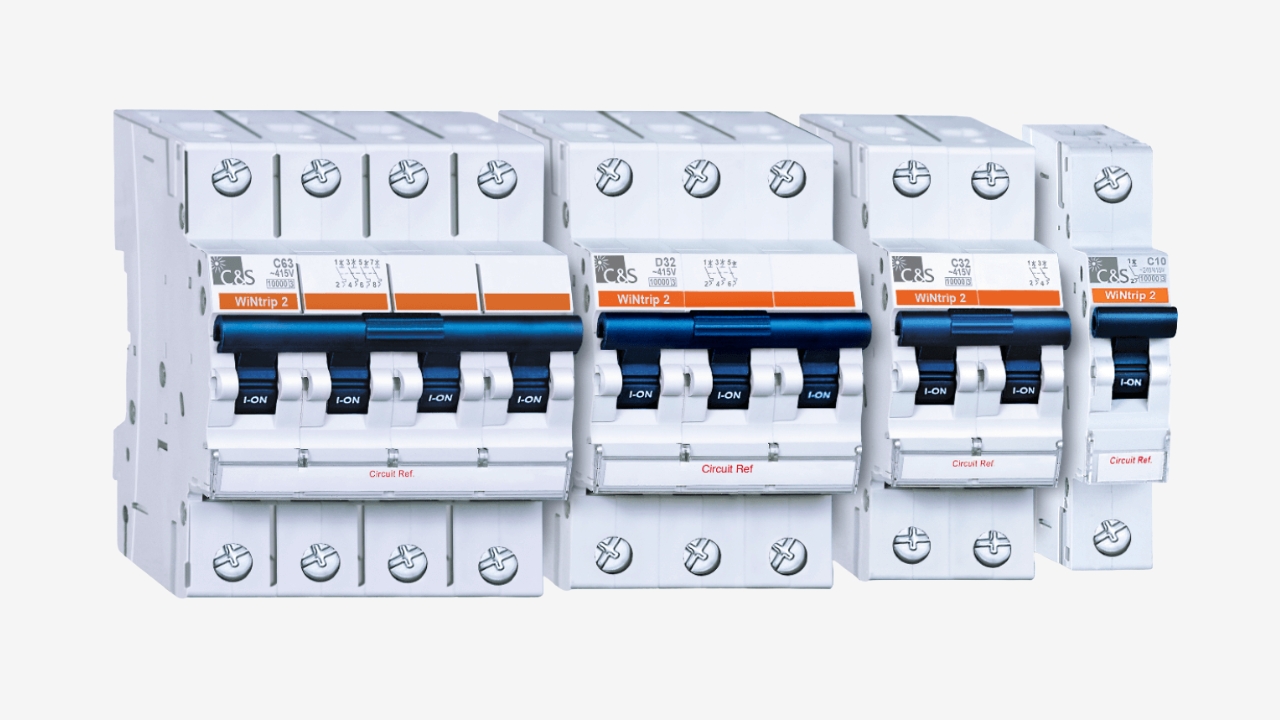
The electrical standards enforced in different countries and regions directly affect the rated voltage, breaking capacity, and installation requirements of circuit breakers. In your work on overseas projects, voltage is not merely an electrical parameter.It is also a separate important dimension of project compliance.
Breaker Sizes for Common Industrial Voltage Systems
Circuit breaker sizing, dimensions, and design requirements vary depending on the voltage conditions. The following are the main application scenarios:
- 230V / 400 V (IEC standard)
Widely used in residential, commercial, and small-scale industrial settings. The main circuit breakers are micro breakers and molded-case circuit breakers, and the cabinet layout tends toward a modular design.
- 480 V (North American industrial standard)
Primarily used in factory power and equipment supply systems. These systems require higher short-circuit breaking capacity. Molded-case circuit breakers are the primary choice.
- 600 V (North American / Heavy Industry Standard)
Suitable for heavy machinery, mining, energy, and other applications. Products require higher insulation ratings and breaking capacity, with larger overall dimensions and wider mounting spacing.
- 690 V (IEC Industrial Extension Standard)
Commonly used in large-scale industrial power distribution and motor control systems. High-end molded-case circuit breakers and frame-type circuit breakers are the most common applications. Enclosure zoning requirements are more stringent.
Size Specifications of Different Regional Standards
When selecting a solution for cross-regional projects, you should be aware of the design priorities of different systems:
- IEC System (Europe, the Middle East, and Asia)
The emphasis is on a modular concept and a universal mounting structure to DIN rail, with highly standardized component dimensions that facilitate dense packaging.
- UL System (North America)
The system focuses on evaluating breaking capacity and product certification levels. For the same amperage rating, the equipment’s dimensions and mounting specifications are subject to specific standards.
- NEC (American Electrical Code)
This standard sets strict requirements for installation clearances and on-site construction details. When planning cabinet space, you must strictly adhere to the relevant clearance regulations.
Circuit Breaker Dimensions and Installation Space Requirements
- Installation Clearance
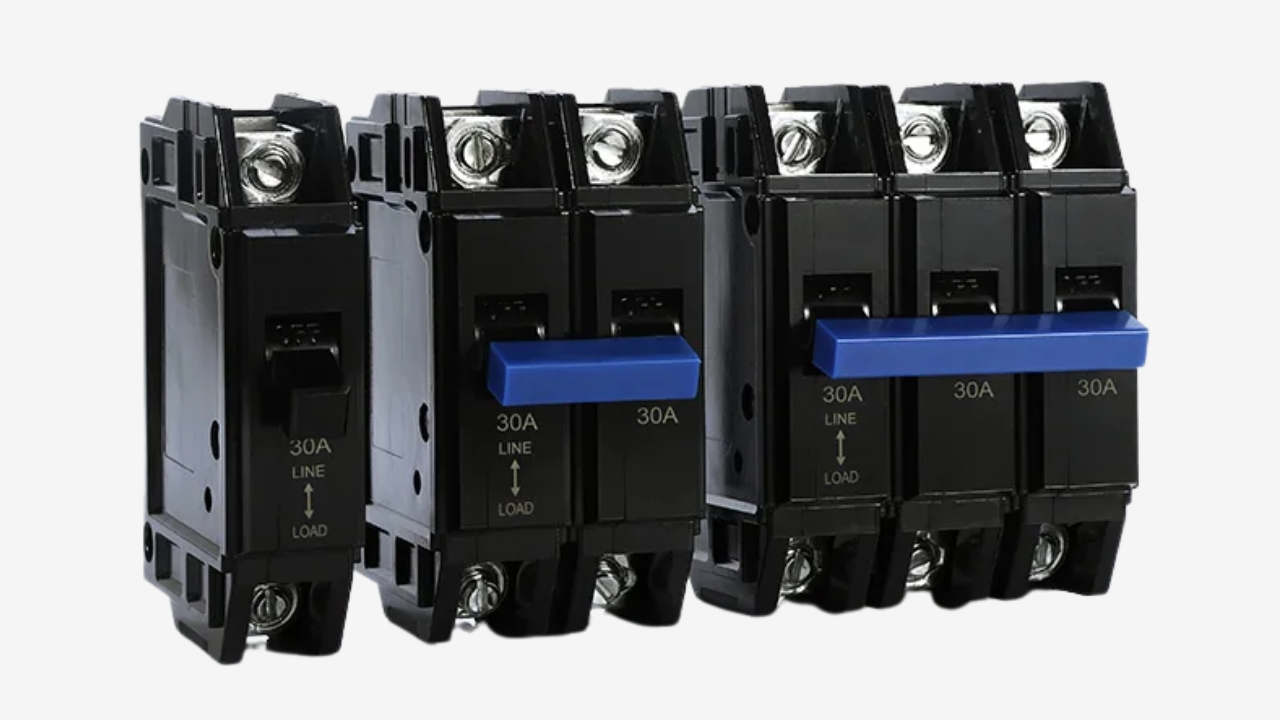
Larger frame circuit breakers preclude the tight packing of enclosures that can be achieved with smaller. You need to allow for adequate lateral clearance to facilitate heat dissipation, installation, and future adjustments.
- Busbar Layout Space
As circuit breaker sizes increase, the busbar area typically expands as well. When sizing cabinet widths, you should simultaneously consider the interphase distance and the space for busbar connections to avoid overcrowding in the internal layout later on.
- Cable Routing Area
Large-capacity circuit breakers are typically paired with thick-gauge cables. During the design phase, it is important to fully consider the cable bending radius and allow for sufficient cabinet depth to ensure smooth cable routing.
- Operating and Maintenance Space
A basic operating and maintenance area should typically be reserved in front of the main circuit breaker. This makes it easier to open and close the circuit breaker, perform maintenance, and replace components in the future.
Tanya Jawab Umum
Are Circuit Breakers Compliant with IEC and UL Standards, Exchangeable in Terms of Size and Specifications?
They are not compatible. IEC devices fit standard DIN rails and have uniform dimensions. UL products are subject to certification requirements. Even for the same ampere rating, their physical dimensions and mounting locations differ.
Can the Cabinet Design Be Used with Circuit Breakers of Different AF Frame Sizes?
We do not recommend direct application. 125AF circuit breakers in small enclosures support dense installation. Beyond 400AF a dedicated area is required to dissipate heat and for installation. For 800AF and above, a separate compartment must be provided. Each size has different layout requirements.
Is the Impact of a Circuit Breaker’s Frame Size on the Cabinet Width Fixed?
No, it is not fixed. The frame size determines the minimum electrical clearance between phases, but the final cabinet width also depends on the busbar and wiring layout, as well as regional standards.
What Procedure Should Be Followed to Identify the Proper Circuit Breaker Frame Size for a Project?
We recommend first measuring the available width and depth of the mounting panel, then selecting the corresponding frame size. This method helps avoid problems during installation and future alterations of the enclosure.
What Are the Main Variations in General Layout Design for MCBS, MCCBS, and ACBS?
MCBs are primarily designed with width in mind; MCCBs must balance cabinet width, busbar space, and cable routing; ACBs require extensive consideration of cabinet depth, access for maintenance and functional areas.
Kesimpulan Akhir
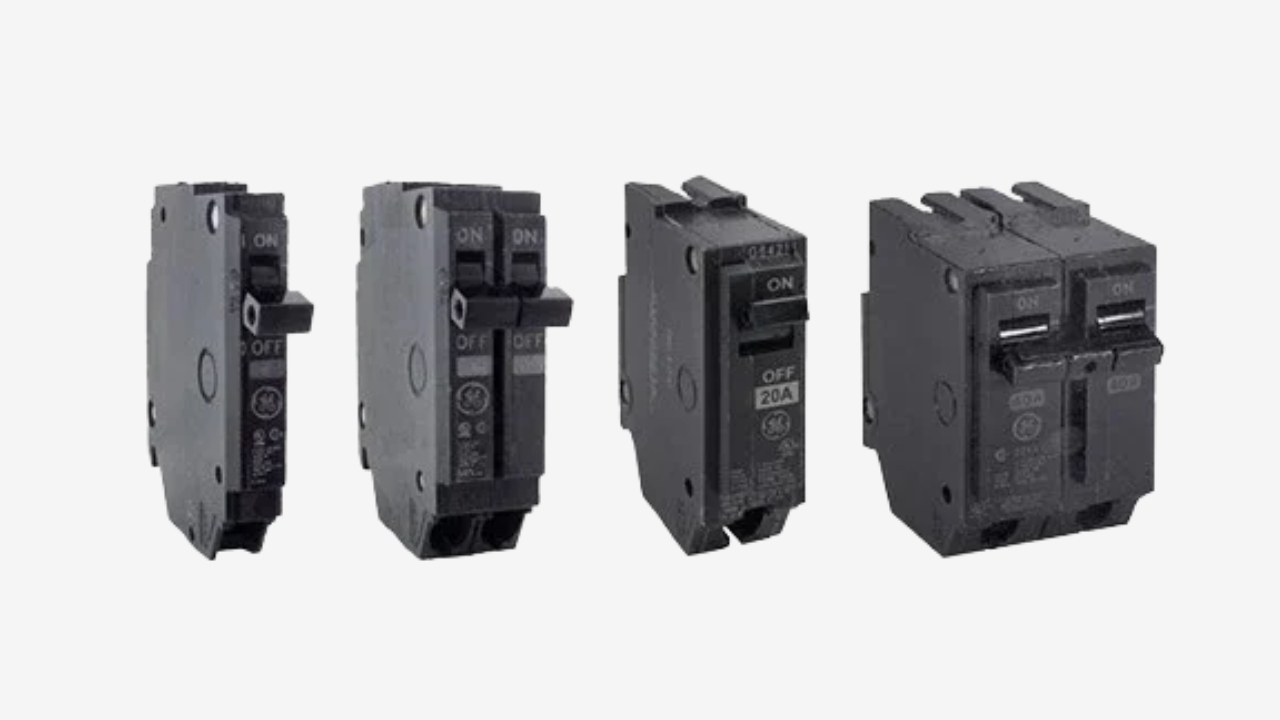
Choosing the right circuit breaker is about far more than just the electrical specifications. It also encompasses making sure the equipment is adapted for the cabinet structure and installation space. KDM will be glad to custom-build you with covered cabinets suitable for all circuit breakers. This will move your project along smoothly.Hubungi kami Hari ini.
 Indonesian
  English
  Arabic
  French
  Spanish
  Russian
  Japanese
  Korean
  Portuguese
  Chinese