


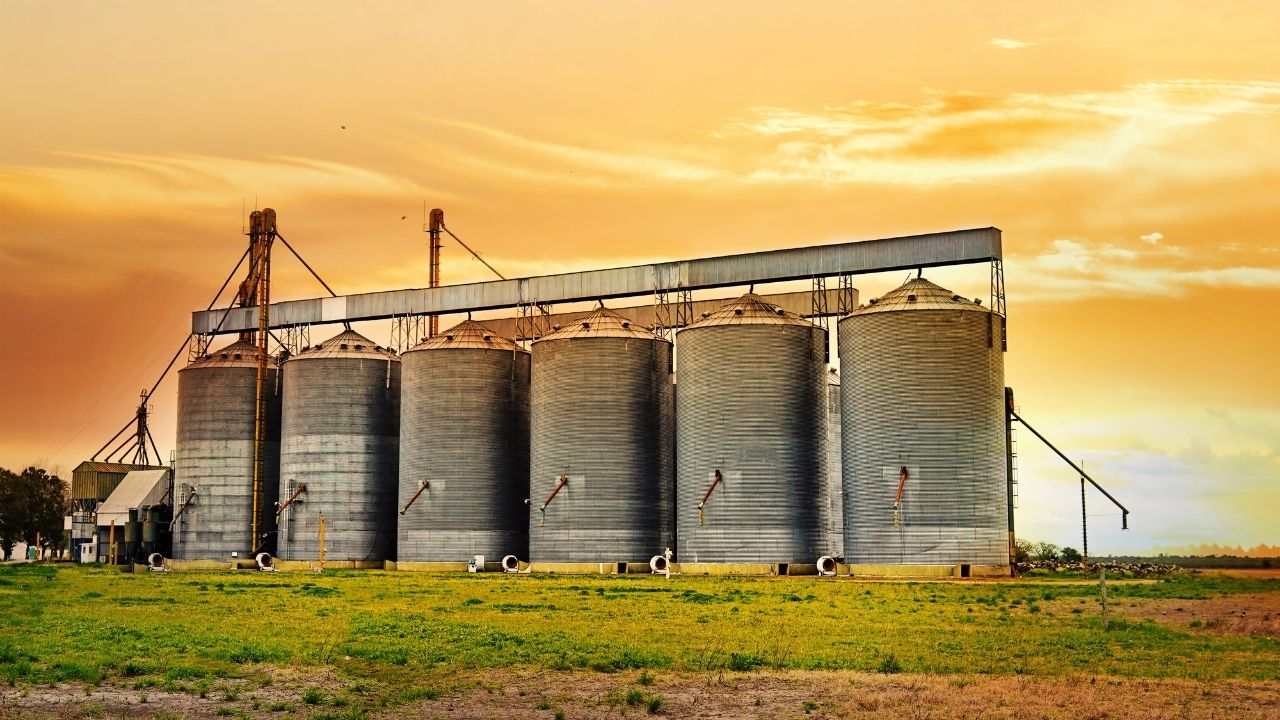
Advanced silo systems contain bulk amounts of grain and industrial bulk products, which are stored in controlled conditions. The procurement managers and the plant engineers are required to maintain safe storage and controlled material discharge. Poorly designed silos can cause blockages and the disintegration of products. This guide will describe how to use a silo to make effective and cost-efficient storage decisions.
Key Components of a Silo System
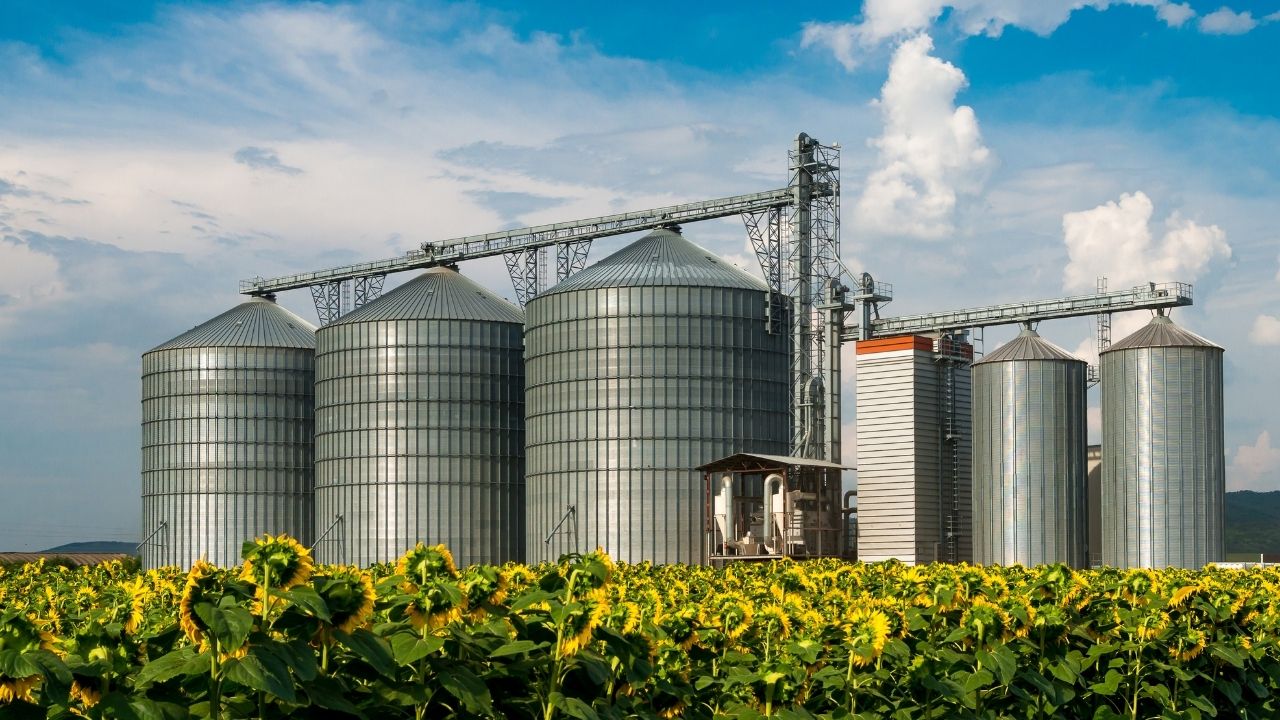
Bahasa Indonesia: Storage Vessel
Storage is made using a steel or concrete shell, which is of Janssen pressure. Mass flow is characterized by hopper slope and wall friction. Roof venting ensures that there is no overpressure when filling.
Bahasa Indonesia: Loading & Conveyance Equipment
The feeding of the belt conveyor or the screw feeder is by receiving from the pit. Vertical lift is given by a bucket elevator. Dust can be trapped with the help of enclosed casings. VFD motors equalize the feed rate to capacity.
Bahasa Indonesia: Internal Control Systems
Noncontact radar level transmitters detect inventory by dust. Grain heating zones are identified by temperature cables. PLC panels record alarms and switch on the aeration fan remotely.
Bahasa Indonesia: Discharge Mechanisms
Flow into conveyors goes through outlet slide gates and rotary valves. Arching is not supported by mass flow outlets. You scale the opening of shear tests and feeder load limits.
Component |
Fungsi |
| Storage Vessel | Structural shell designed for bulk load pressure and controlled flow. |
| Loading & Conveyance Equipment | Transfers material into the silo with regulated and dust-controlled feeding. |
| Internal Control Systems | Monitors the level of temperature and controls aeration automatically. |
| Discharge Mechanisms | Regulates outlet flow and prevents arching during unloading. |
How a Silo Works: Step-by-Step Process
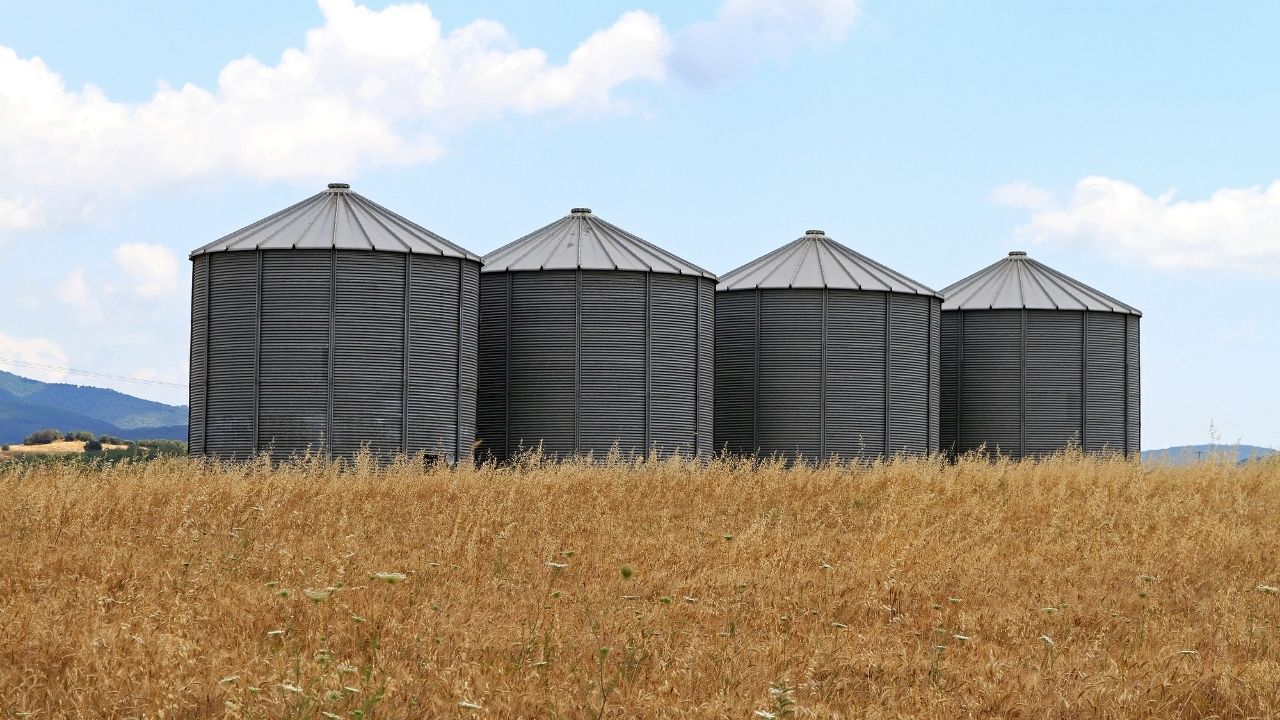
Bahasa Indonesia: Step 1: Receiving and Feeding
Bulk material is brought to the silo by truck, rail, or a process transfer line. The operators are emptied into a receiving pit having controlled feed gates. There is a dust collection system that collects suspended dirt when dumping. A feed controls the movement of material into the conveyors. To avoid blockages, you need to equalize the rate of inlet into the system with the rate of conveying. Vertical lifting is preceded by magnetic separators.
Bahasa Indonesia: Step 2: Cleaning & Pre-Processing
Raw material goes through mechanical screens to eliminate excess contaminants. Destoners are used to separate the heavy foreign particles according to their density. This step helps to safeguard equipment in the downstream against corrosion. You only load into the storage silo material that is specification-compliant. Clean input minimizes spoilage and maintains the long-term integrity of products.
Bahasa Indonesia: Step 3: Lifting & Distribution
A bucket elevator moves bulk solids straight upwards to the silo roof inlet. The head part releases material in a rotary distributor. When the products are properly aligned, cross-contamination between product streams is avoided. Chute liners minimize the abrasion level when high-capacity handling cycles are involved.
Bahasa Indonesia: Step 4: Storage Phase
The material is accumulated and causes a vertical and lateral wall pressure. The shell thickness is designed by the engineers to withstand all these calculated loads. Conditioned air is diffused through the mass in aeration ducts. Pressure relief vents safeguard the construction when it is ready to fill fast.
Bahasa Indonesia: Step 5: Monitoring & Management
Radar level sensors offer continuous measurement of the inventory, which does not involve contact with the material. Local heating in the bulk stored is measured by temperature cables. The data are logged, and abnormal conditions are triggered on control panels. Automated aeration controls the airflow according to parameters that are being monitored. Regular check-ups are a guarantee of mechanical and structural integrity.
Bahasa Indonesia: Step 6: Discharge / Unloading
The process of the discharge starts at the hopper outlet using a controlled gate opening. The flow rate is controlled by Slide gates or rotary valves. Conveyors may include screw conveyors or belt conveyors, which move the material into processing lines. You have a mass flow so as to avoid arching and ratholing. Load cells confirm discharge levels to make sure inventory is correctly managed. Dust extraction systems involve less risk of explosion during unloading.
Tanya Jawab Umum
Bahasa Indonesia: What is the difference between a silo and a grain bin?
A silo is a tall, airtight bulk storage facility that is typically used in long-term storage and controlled environments, as well as for silage and industrial powders. Dry grain is kept in a grain bin, which is ventilated to allow moisture and temperature control. The silos are impervious to the pressure of fermentation; the bin is modeled to house large amounts of dry goods and is frequently aerated.
· How long can grain be stored in a silo?
Dry grain can be stored in a silo in controlled conditions where it is well aerated and monitored to last several months up to a year without losing its quality. The time is dependent on the content of moisture and environmental control systems.
Bahasa Indonesia: What causes grain spoilage?
High moisture, high temperature, insect activity, fungal growth, and poor aeration are the causes of grain spoilage. The heat and humidity generated by respiration in the grain mass promote degradation.
Bahasa Indonesia: Can silos store perishable materials? How is spoilage prevented?
Some bulky perishable solids can be kept provided the temperature, humidity, and levels of gases are regulated. Active aeration and cooling systems ensure safe conditions and restrict the growth of microbes.
Bahasa Indonesia: What sensors are used to monitor grain inside a silo?
Some of the common sensors are radar level sensors, temperature probe arrays, moisture sensors, and CO2/RH monitors. These give real-time quality and inventory control information.
Bahasa Indonesia: Can silos be automated entirely?
Yes. The automation systems are built to monitor the environmental parameters and control the aeration, ventilation, and alarms without human intervention and are integrated with PLC or IoT-based systems.
Bahasa Indonesia: Does silo automation improve safety?
Automation prevents manual access, allows for identifying anomalies in time, and minimizes exposure to dangerous environments. These characteristics improve the safety of operations and reduce human error.
Get Your Customized Silo by KDM Steel
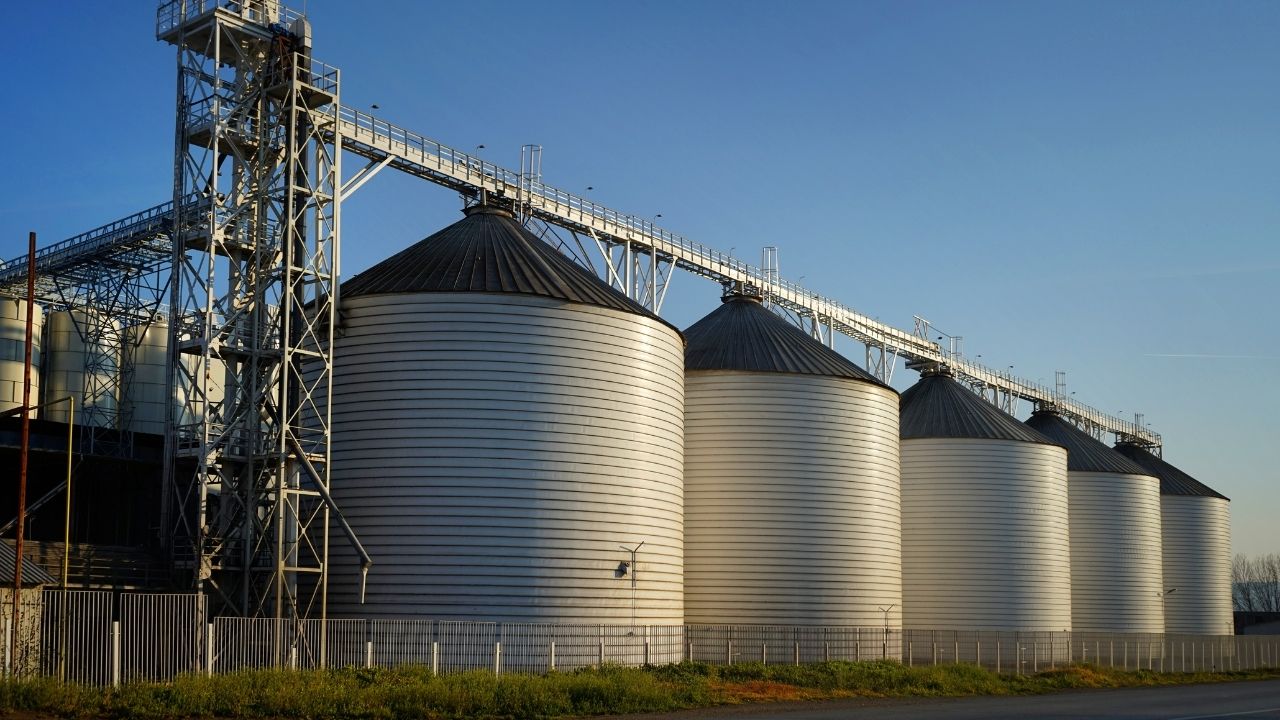
Baja KDM produces tailor-made steel silo systems to use in storing large volumes of goods that require tough storage. Our engineering department maximizes the power of structural strength and flow. We provide accuracy in fabrication and a sophisticated monitoring combination. You have solid capacity and extended service duration. You can Hubungi kami hari ini to discuss your project requirements and specifications.
 Indonesian
  English
  Arabic
  French
  Spanish
  Russian
  Japanese
  Korean
  Portuguese
  Chinese