


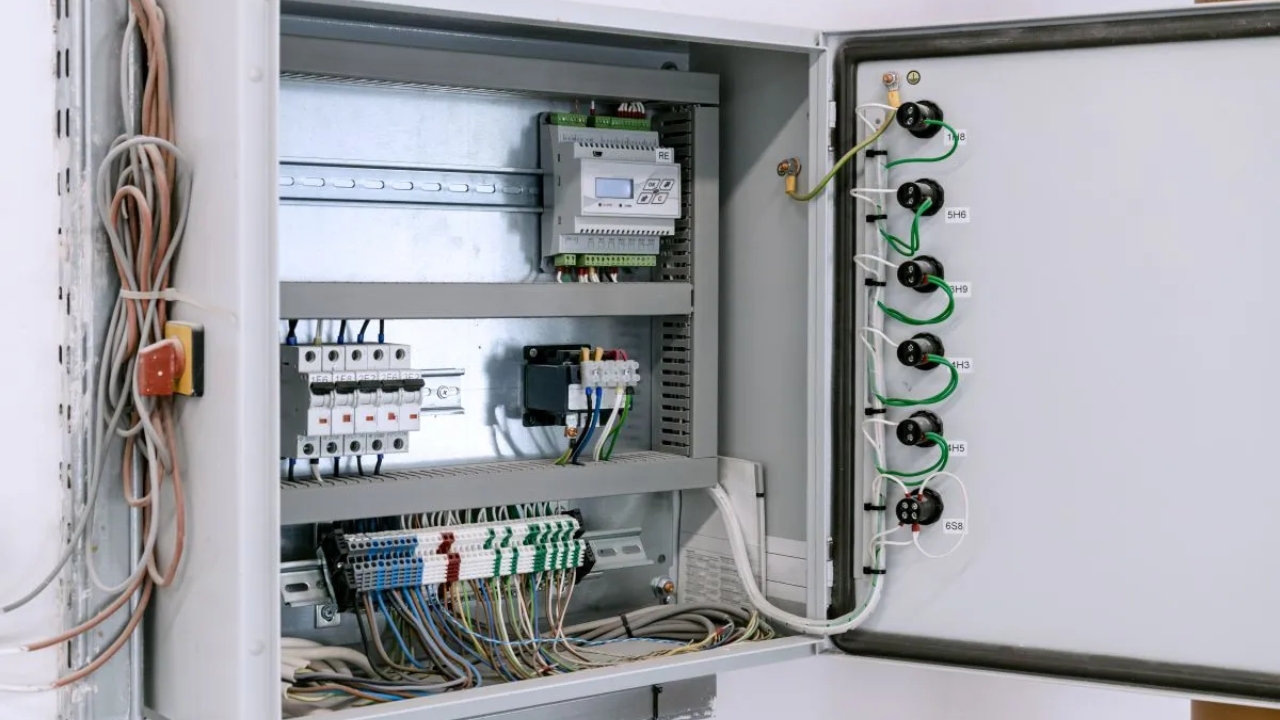
Panel kontrol listrik industri merupakan jantung dari sistem otomatisasi, berfungsi untuk memusatkan kendali peralatan dan memastikan keselamatan operasional. Konfigurasi yang berbeda dapat memengaruhi stabilitas produksi dan efisiensi operasional. Artikel ini menganalisis baik keuntungan maupun aplikasi panel-panel ini untuk membantu Anda membuat keputusan pemilihan terbaik.
Apa itu Panel Kontrol Listrik Industri?
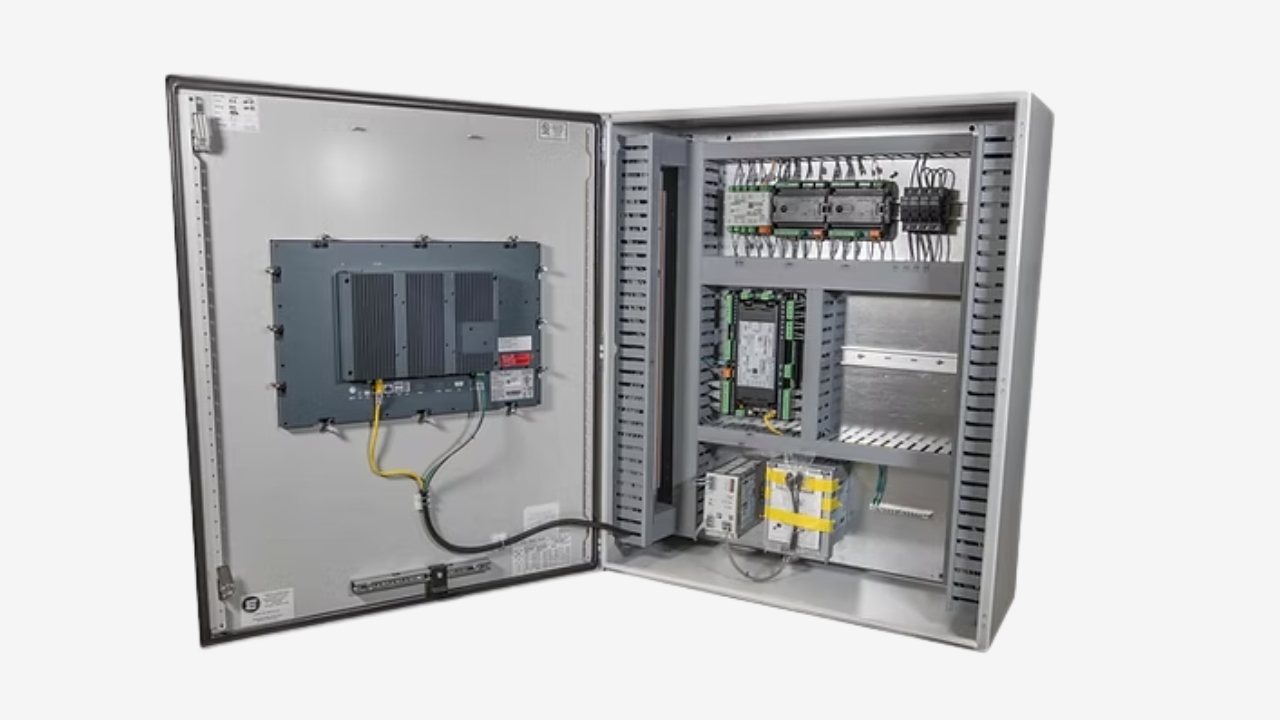
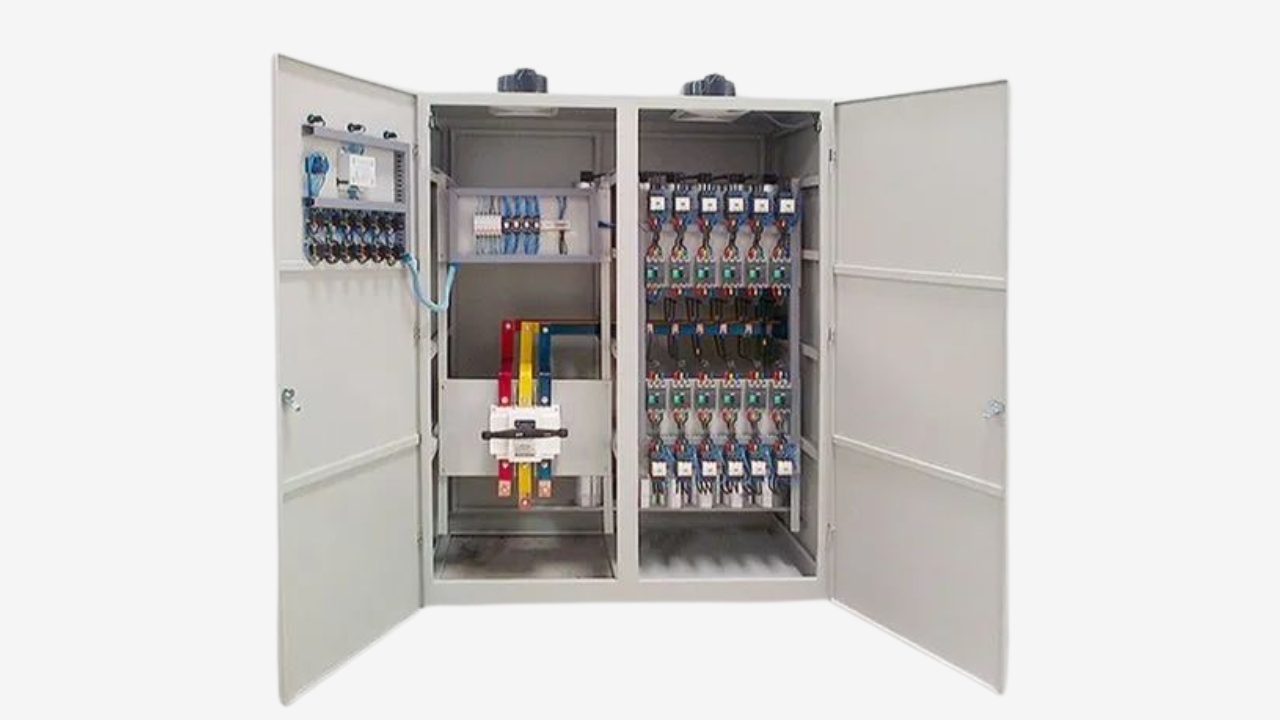
Sebelum membahas manfaat utama panel kontrol listrik industri, mari kita mulai dengan pengenalan dasar. Panel kontrol listrik industri adalah sistem kontrol listrik terintegrasi yang konfigurasi internalnya dapat diubah dan diperluas secara bebas sesuai dengan kondisi aktual di lokasi, serta memiliki desain struktural yang fleksibel. Panel ini kompatibel dengan berbagai peralatan industri, sistem otomatisasi, dan standar operasional, serta banyak digunakan di semua industri seperti teknik mesin, HVAC, dan pengolahan air.
7 Manfaat Utama Panel Kontrol Listrik
Peningkatan Keselamatan dalam Operasi Industri
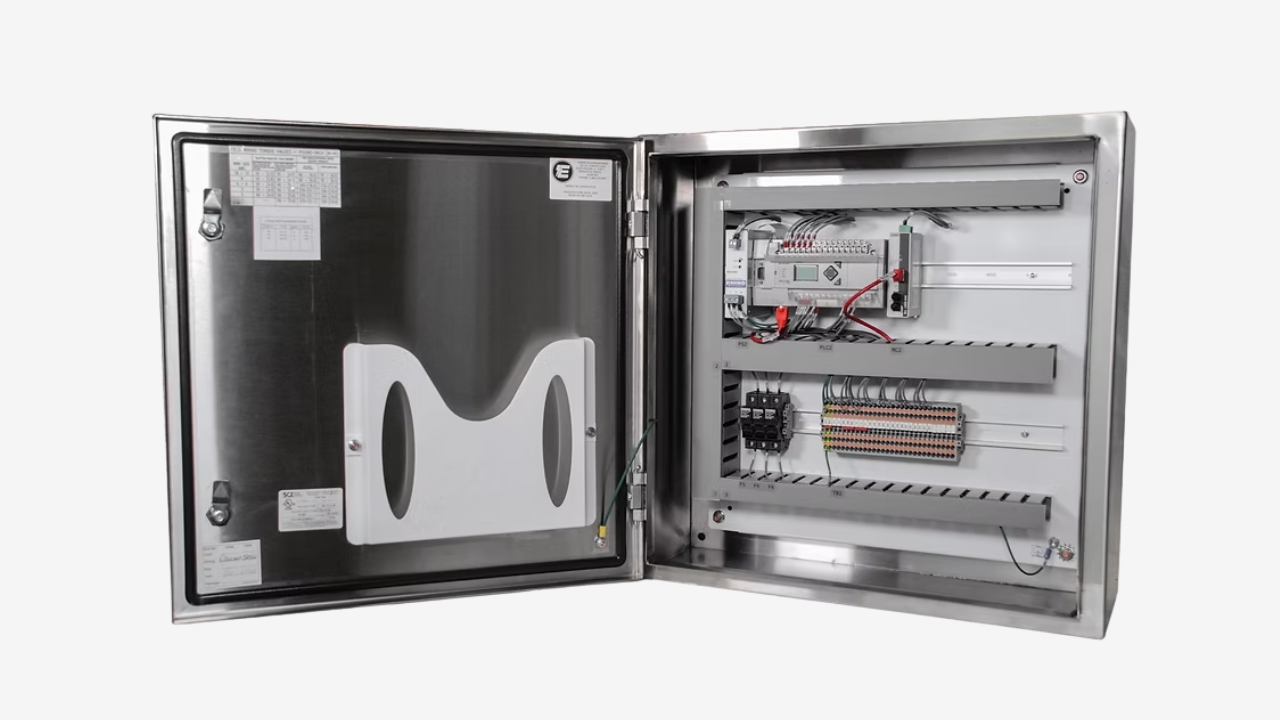
Sebuah alat listrik panel kontrol Selain itu, alat ini juga dapat digunakan untuk pengoperasian peralatan industri yang aman. Alat ini memberikan perlindungan terhadap beban berlebih, korsleting, gangguan pentanahan, dan tegangan rendah; pada saat yang sama, alat ini terus memantau status rangkaian operasi. Jika terjadi kondisi abnormal, panel kontrol akan mengaktifkan perlindungan dan memutuskan rangkaian. Hal ini tidak hanya mencegah kerusakan pada peralatan industri tetapi juga menghilangkan bahaya keselamatan listrik.
Panel kontrol listrik dilengkapi dengan pemutus sirkuit miniatur dan pemutus sirkuit tipe molded-case untuk perlindungan arus berlebih, kontaktor untuk pengalihan beban, dan pelindung lonjakan untuk menekan tegangan transien, membentuk sistem perlindungan terpadu yang sesuai dengan standar Komisi Elektroteknik Internasional (IEC-61439) dan memenuhi spesifikasi desain untuk arus pemutusan hubung singkat terukur.
Peringkat perlindungan penutup meliputi: IP54, Tingkat IP65, dan NEMA 4 dan 4X, sehingga cocok untuk berbagai lingkungan industri di dalam dan luar ruangan serta secara efektif tahan terhadap kondisi seperti debu, masuknya air, dan atmosfer korosif.
Baik Anda berencana menggunakannya untuk integrasi peralatan mekanis, atau untuk proyek retrofit jalur produksi, atau untuk distribusi daya di seluruh pabrik, alat ini juga dapat membantu Anda mengisolasi komponen listrik tegangan tinggi yang aktif melalui antarmuka terpisah, menghilangkan risiko pengoperasian manual, dan membuat proses produksi di lokasi menjadi aman dan sesuai standar.
Pengendalian Terpusat Sistem Industri
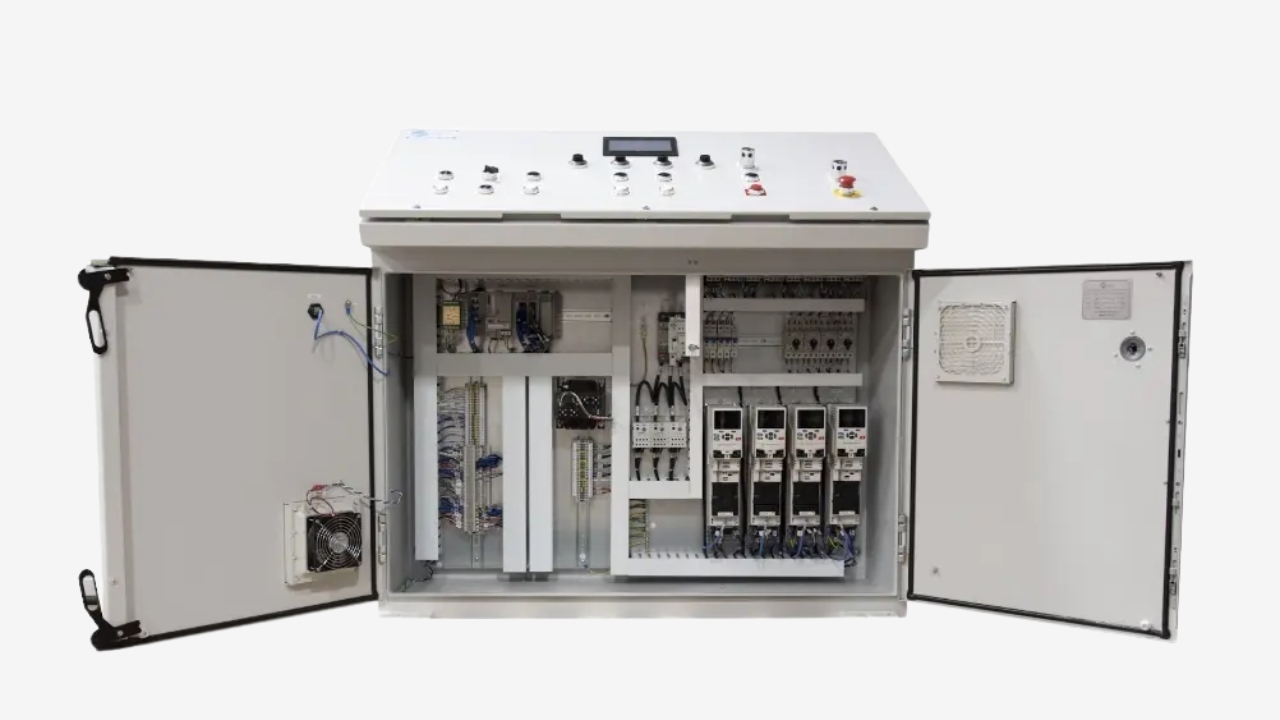
Metode pengendalian peralatan terdesentralisasi tradisional sulit dioperasikan dan mempersulit penjadwalan terpusat. Model beberapa perangkat yang beroperasi secara independen juga meningkatkan kompleksitas manajemen di lokasi.
Panel kontrol listrik dapat berfungsi sebagai kombinasi fungsi kontrol yang efektif untuk lini produksi lengkap, beberapa mesin, atau sistem lengkap. Dengan cara ini, fungsi-fungsi termasuk start/stop peralatan, kontrol kecepatan, dan pengaturan parameter dapat dilakukan hanya di satu titik. Anda tidak perlu sering berpindah titik kontrol; ini menyederhanakan alur kerja operasi dan pemeliharaan di lokasi, mengurangi waktu intervensi manual hingga 40%. Pada saat yang sama, ini memfasilitasi komisioning terpusat dan manajemen terkoordinasi oleh para insinyur, meningkatkan kemampuan kontrol seluruh sistem industri.
Selain kontrol otomatis dasar, PLC bawaan mendukung diagnostik kesalahan secara real-time, pemantauan sistem berkelanjutan, dan penanganan alarm otomatis. PLC ini juga memungkinkan koneksi tanpa hambatan dengan sistem SCADA untuk interaksi data terpadu di seluruh bengkel.
Otomatisasi Melalui Sistem Berbasis PLC
Produksi otomatis modern menuntut kontrol program yang lebih tinggi. Operasi manual menyulitkan untuk menyeimbangkan efisiensi operasional dengan kinerja peralatan. Panel kontrol listrik yang dilengkapi modul PLC memungkinkan input program operasi berdasarkan kondisi di lokasi. Operasi otomatis pada peralatan, seperti memulai dan mematikan, pengurutan proses dan pengaturan, serta pengendalian parameter, dapat dilakukan.
Dengan menggunakan sistem kontrol ini, Anda dapat mengurangi operasi manual dan mempertahankan pengoperasian peralatan standar, sehingga peralatan dapat bekerja secara otomatis dan andal. Sistem kontrol peralatan ini dapat disesuaikan dengan berbagai jenis otomatisasi dan teknik industri.
Selain kontrol otomatisasi dasar, PLC bawaan memungkinkan diagnosis kesalahan secara real-time, pemantauan sistem berkelanjutan, dan penanganan alarm otomatis. PLC ini juga terintegrasi dengan mulus dengan sistem SCADA untuk memfasilitasi pertukaran data terpadu di seluruh pabrik.
Efisiensi Produksi yang Lebih Tinggi
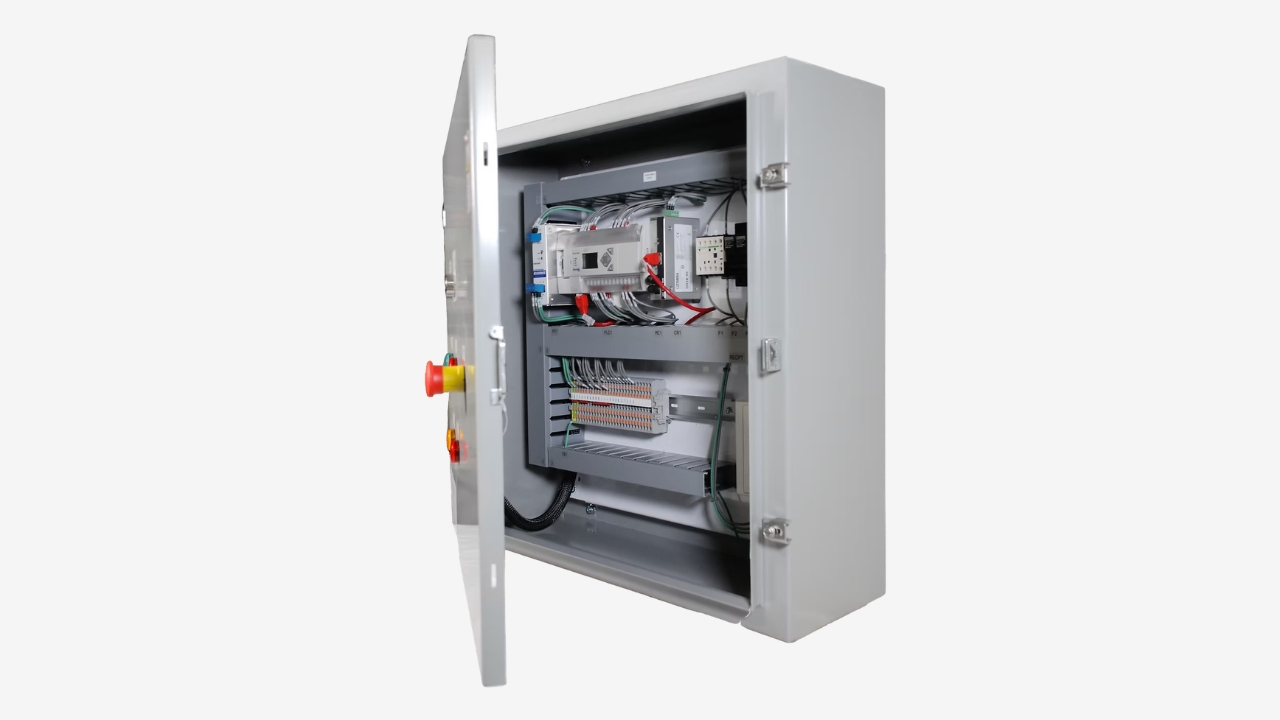
Aktivitas manual lebih rentan menyebabkan kesalahan dan dapat memperlambat alur produksi antar proses. Hal ini dapat secara langsung mengakibatkan melambatnya produksi di seluruh lini produksi.
Panel kontrol listrik mengikuti prosedur yang telah ditentukan untuk mengontrol perangkat yang digunakan, mengontrol dan menyinkronkan waktu setiap langkah produksi, dan membuat transfer proses menjadi konsisten. Panel ini mengoptimalkan siklus produksi melalui sinkronisasi proses yang tepat, meningkatkan kapasitas produksi secara keseluruhan, dan secara efektif menghilangkan hambatan pada lini produksi.
Dengan memanfaatkan sistem kontrol ini, kami mampu menjaga kelancaran proses produksi, mengurangi kesalahan produksi yang disebabkan oleh manusia hingga 60%, dan menstabilkan output harian.
Operasi Stabil dengan Waktu Henti yang Lebih Sedikit
Waktu henti yang tidak terencana merupakan sumber kerugian utama dalam produksi industri. Hal ini secara langsung berdampak pada jadwal produksi Anda dan menunda penyelesaian proyek. Semua panel kontrol listrik dirakit secara profesional dengan pengkabelan standar dalam kerangka kerja listrik yang sesuai.
Pengkabelan internal yang terstandarisasi (sesuai dengan NFPA 79 atau IEC 60204-1) yang dikombinasikan dengan diagnostik PLC cerdas mengurangi waktu henti mesin yang tidak direncanakan hingga 35%, memastikan operasi berkelanjutan 24/7 yang stabil.
Karena kekebalan terhadap interferensi yang tinggi dan tingkat kegagalan yang rendah, sistem ini sangat cocok untuk operasi berkelanjutan dalam jangka waktu lama. Saat personel terlatih bekerja tanpa pengawasan, sistem ini akan mengurangi waktu henti yang disebabkan oleh kerusakan mesin, kerusakan sirkuit, dan kesalahan program. Dengan sistem jangka panjang ini, pengoperasian jalur produksi, pabrik, dan fasilitas otomatisasi Anda yang stabil dapat terjamin.
Sistem yang tahan lama ini membantu memastikan pengoperasian lini produksi, pabrik, dan fasilitas otomatisasi Anda secara terus menerus dan andal.
Ekspansi Sistem yang Fleksibel untuk Kebutuhan Masa Depan
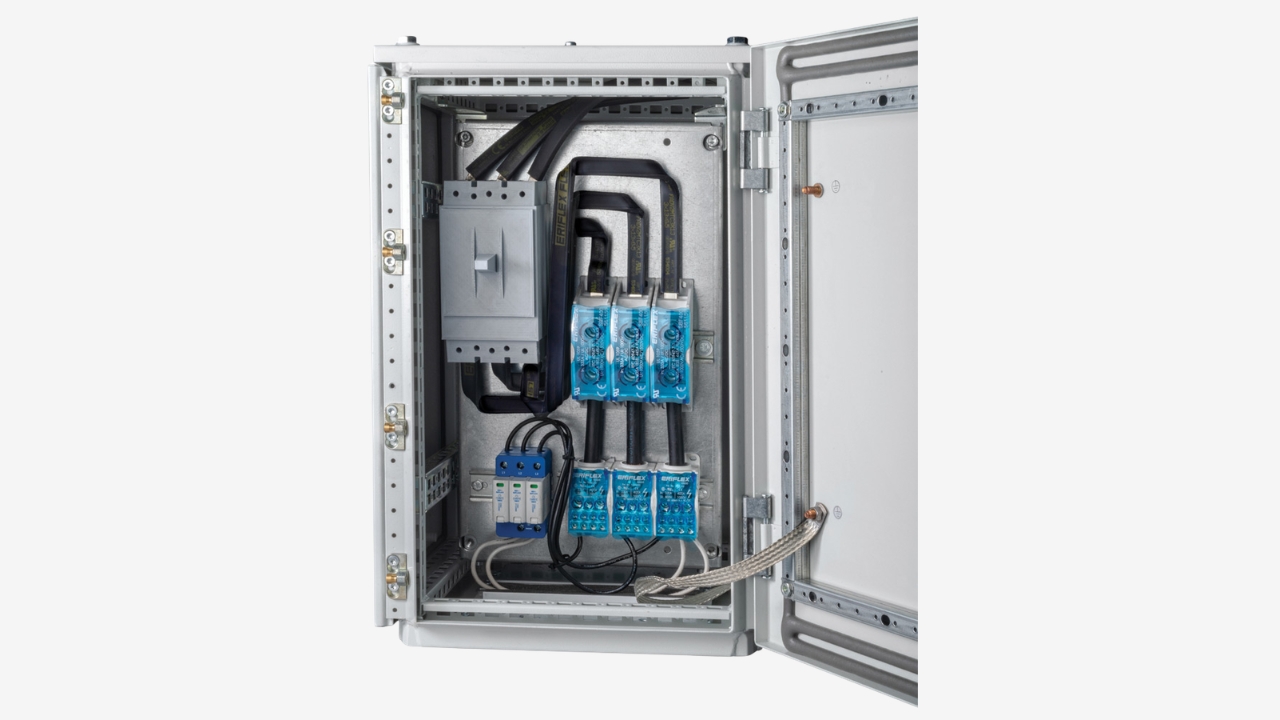
Modifikasi sistem untuk lini produksi otomatis meliputi perluasan peralatan, optimasi proses, dan lain-lain. Sistem kontrol listrik konvensional memiliki desain arsitektur sistem yang relatif tetap dan skalabilitas yang terbatas, sehingga sulit untuk memenuhi tuntutan perbaikan dan modifikasi fungsional di masa mendatang.
Panel kontrol listrik mengadopsi desain modular, antarmuka standar, dan kapasitas ekspansi yang memadai sehingga memiliki kompatibilitas dan skalabilitas yang baik. Selama peningkatan peralatan atau penyesuaian fungsi di masa mendatang, Anda dapat memperluas sistem melalui konfigurasi modul dan penyesuaian parameter. Tidak ada alasan untuk mengganti seluruh sistem, yang akan mendukung pergeseran lini produksi dalam jangka panjang.
Biaya Perawatan dan Operasional Lebih Rendah
Jaringan kabel dan komponen yang berantakan dapat secara signifikan menambah waktu yang dibutuhkan untuk memperbaiki sistem dan melakukan perawatan sehari-hari. Dengan kabel yang tersusun rapi di panel kontrol listrik dan komponen yang diatur dalam zona terpisah, pencarian kesalahan menjadi cepat dan mudah. Perbaikan peralatan dan tugas harian menjadi jauh lebih mudah.
Sistem kontrol listrik juga membantu mengurangi biaya operasional proyek. Dengan mengintegrasikan pemantauan daya, sistem ini mengoptimalkan penggunaan energi dan mengurangi waktu henti yang tidak direncanakan hingga 35%.
Di Mana Panel Kontrol Listrik Industri Digunakan?
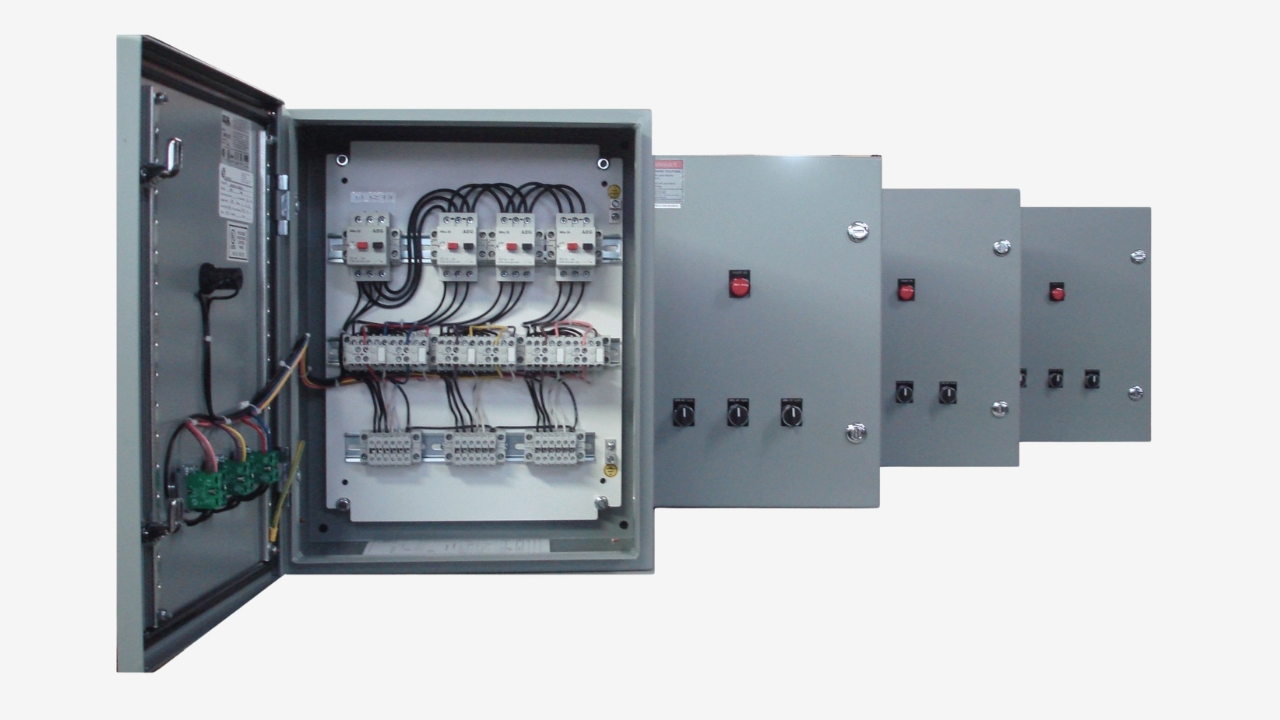
- Otomatisasi Produksi Pabrik
Selama pengoperasian terkoordinasi dari berbagai perangkat pada jalur produksi otomatis, diperlukan tingkat sinkronisasi dan stabilitas kontrol yang tinggi. Melalui manajemen terpusat berbasis program, panel kontrol listrik memastikan proses produksi Anda mempertahankan ritme yang konsisten, sehingga meningkatkan efisiensi operasional secara keseluruhan.
- Integrasi Mesin dan Peralatan
Kurangnya standar kontrol terpadu untuk peralatan industri membuat sulit untuk menyeimbangkan konsistensi operasional dengan keselamatan. Panel kontrol listrik dirancang khusus untuk mengintegrasikan logika kontrol peralatan, membantu Anda mencapai manajemen operasional dan koordinasi proses yang terstandarisasi.
- Integrasi Teknik Konstruksi
Sistem kelistrikan bangunan terdiri dari berbagai subsistem terdistribusi, yang mengakibatkan struktur operasional yang kompleks dan biaya pengelolaan yang tinggi. Panel kontrol listrik dapat menyediakan kemampuan kontrol terpusat, meningkatkan stabilitas dan keamanan sistem secara keseluruhan.
- Industri Pengolahan Air Lingkungan
Sistem pengolahan air biasanya memerlukan pengoperasian terus menerus dalam jangka panjang, sehingga menuntut keandalan sistem dan stabilitas operasional yang tinggi. Panel kontrol listrik memungkinkan pemantauan kondisi operasi secara real-time, memastikan sistem Anda beroperasi terus menerus dan andal.
- Otomatisasi Gudang dan Logistik
Sistem pergudangan dan logistik cerdas bergantung pada penjadwalan yang sering dan koordinasi peralatan, yang membutuhkan integrasi operasional yang mulus. Panel kontrol listrik mengoptimalkan logika pengoperasian peralatan, membuat penjadwalan sistem lebih lancar dan stabil.
Panduan Pemilihan Aplikasi
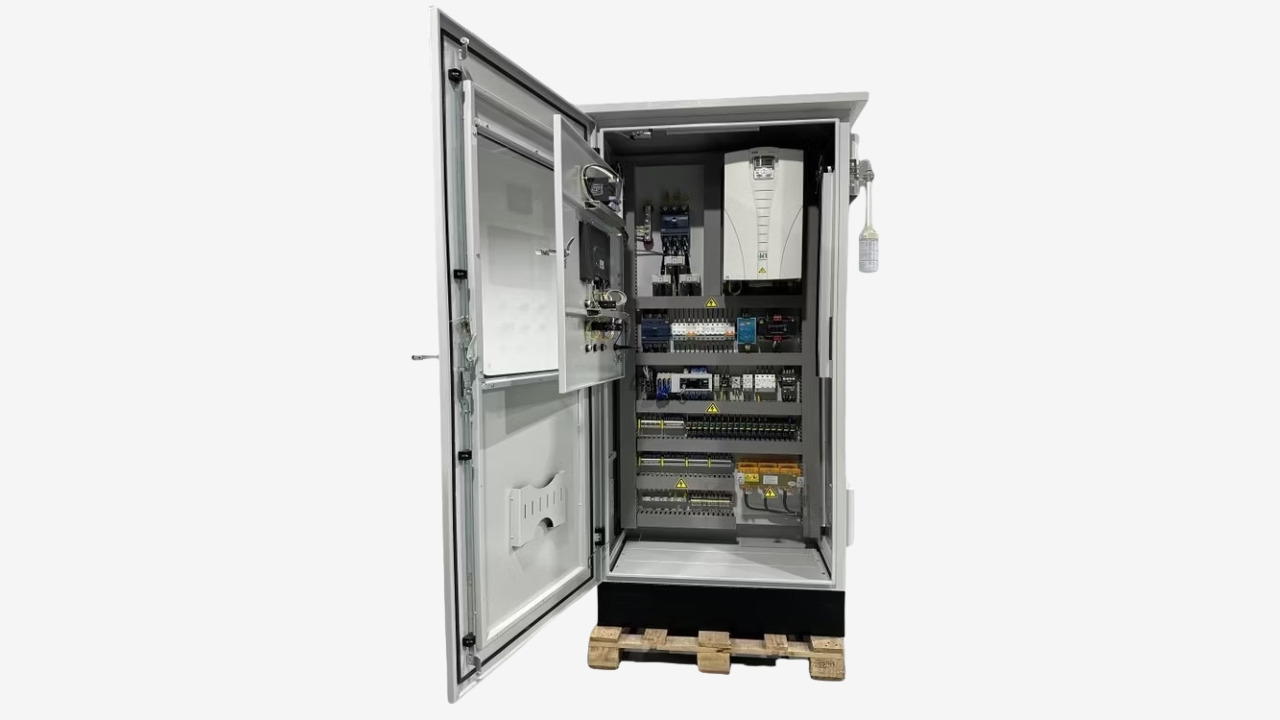
| Skenario Aplikasi | Peringkat Penutup yang Direkomendasikan | Konfigurasi Inti |
| Otomatisasi Produksi Pabrik | IP54 / NEMA 12 | PLC kelas atas + MCCB multi-sirkuit + Komunikasi jarak jauh |
| Integrasi Mesin dan Peralatan | IP40 / NEMA 1 | PLC standar + MCB + Kontaktor |
| Integrasi Teknik Konstruksi | IP65 / NEMA 4X | MCCB + SPD + Pemantauan jarak jauh |
| Pengolahan Air Lingkungan | IP65 / NEMA 4X (Tahan korosi) | PLC kelas atas + Catu daya redundan + Terminal tahan korosi |
| Otomatisasi Gudang dan Logistik | IP54 / NEMA 12 | PLC berkecepatan tinggi + sakelar Ethernet industri + kontrol multi-sumbu |
Tanya Jawab Umum
Apakah Panel Kontrol Listrik Memenuhi Standar Ekspor untuk Pasar Eropa dan Amerika Utara?
Panel kontrol listrik dapat dikonfigurasi untuk memenuhi standar kelistrikan dan peraturan keselamatan yang umum dipersyaratkan di pasar Eropa dan Amerika Utara (seperti sertifikasi CE dan Standar UL), sehingga cocok untuk proyek-proyek industri di Amerika Utara dan Eropa. Konfigurasi khusus dapat disesuaikan untuk memenuhi persyaratan teknis negara tempat proyek tersebut berada.
Apakah Panel Kontrol Listrik Cocok untuk Peralatan Skala Kecil atau Sistem Industri Skala Besar?
Perangkat ini cocok untuk mengendalikan unit mandiri kecil maupun sistem industri skala besar melalui kontrol terpusat. Opsi konfigurasi dapat disesuaikan sesuai dengan skala sistem dan mendukung perluasan yang fleksibel di masa mendatang.
Bagaimana Cara Memilih Panel Kontrol Listrik Industri yang Tepat untuk Suatu Proyek?
Kami menyarankan untuk memilih solusi berdasarkan ukuran peralatan Anda, kompleksitas sistem kontrol, dan kebutuhan otomatisasi Anda. Untuk sistem yang kompleks, pertimbangkan untuk menggunakan Panel kontrol PLC, dengan mempertimbangkan jenis beban dan skalabilitas.
Apa saja keuntungan menggunakan panel kontrol PLC?
Dibandingkan dengan metode kontrol tradisional, panel kontrol PLC memungkinkan pengoperasian otomatis yang lebih stabil dan mengurangi kesalahan manusia. Panel ini mendukung kontrol terkoordinasi dari berbagai perangkat dan perluasan fungsi di masa mendatang, sehingga lebih cocok untuk proyek industri dengan tingkat otomatisasi yang tinggi.
Apakah Panel Kontrol Listrik Dapat Disesuaikan untuk Berbagai Aplikasi Industri?
Ya. Panel kontrol listrik dapat dikustomisasi berdasarkan jenis peralatan, lingkungan operasi, dan logika kontrol, termasuk konfigurasi komponen internal, fungsi kontrol, dan tata letak struktural, untuk memenuhi kebutuhan berbagai aplikasi industri.
Pemikiran Akhir
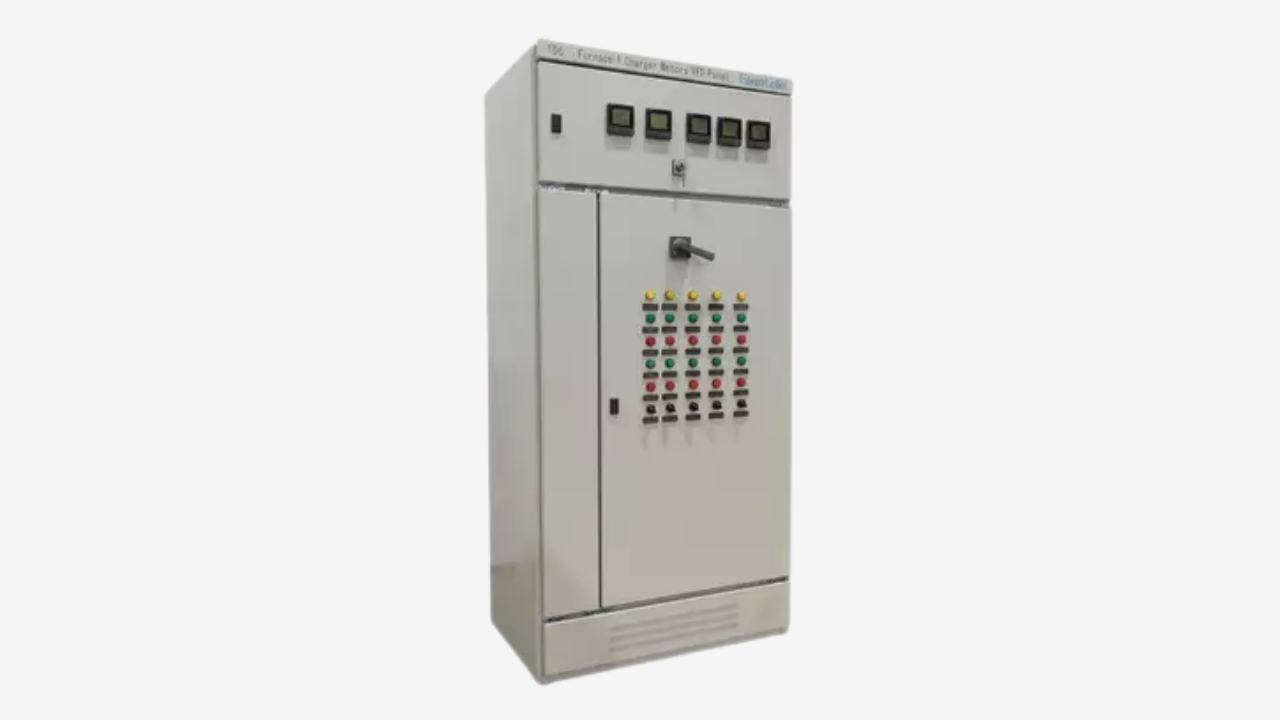
KDM Kami mengkhususkan diri dalam desain dan pembuatan panel kontrol listrik industri sesuai pesanan. Kami dapat menyediakan solusi kontrol yang stabil dan andal untuk berbagai kebutuhan proyek Anda. Kami membantu Anda mengoptimalkan efisiensi operasional sistem dan memenuhi persyaratan aplikasi proyek industri jangka panjang.
 Indonesian
  English
  Arabic
  French
  Spanish
  Russian
  Japanese
  Korean
  Portuguese
  Chinese