


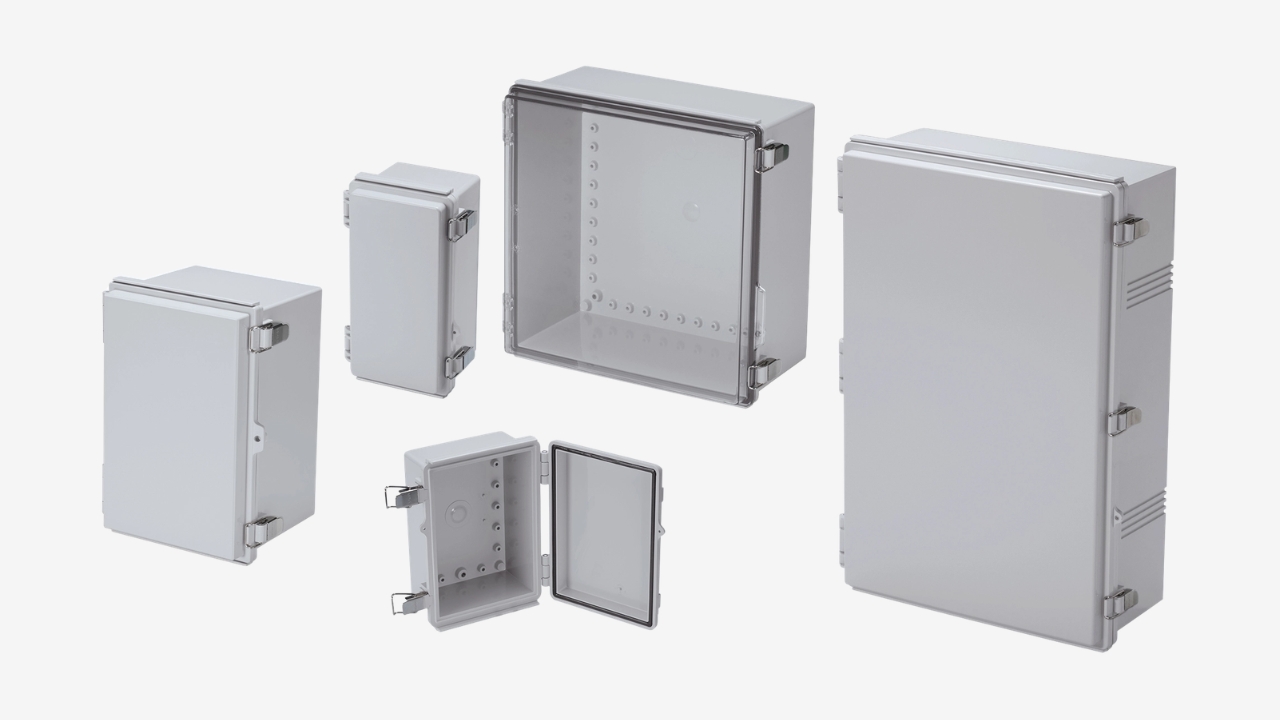
Dalam kotak listrik, fiberglass dan baja tahan karat adalah dua material yang paling umum digunakan, tetapi keduanya cocok untuk lingkungan yang berbeda. Artikel ini akan membantu Anda lebih memahami pilihan mana yang lebih sesuai untuk proyek Anda dengan membandingkan perbedaan kinerja dan aplikasi tipikalnya.
Perbandingan Kinerja Inti: Fiberglass vs. Baja Tahan Karat
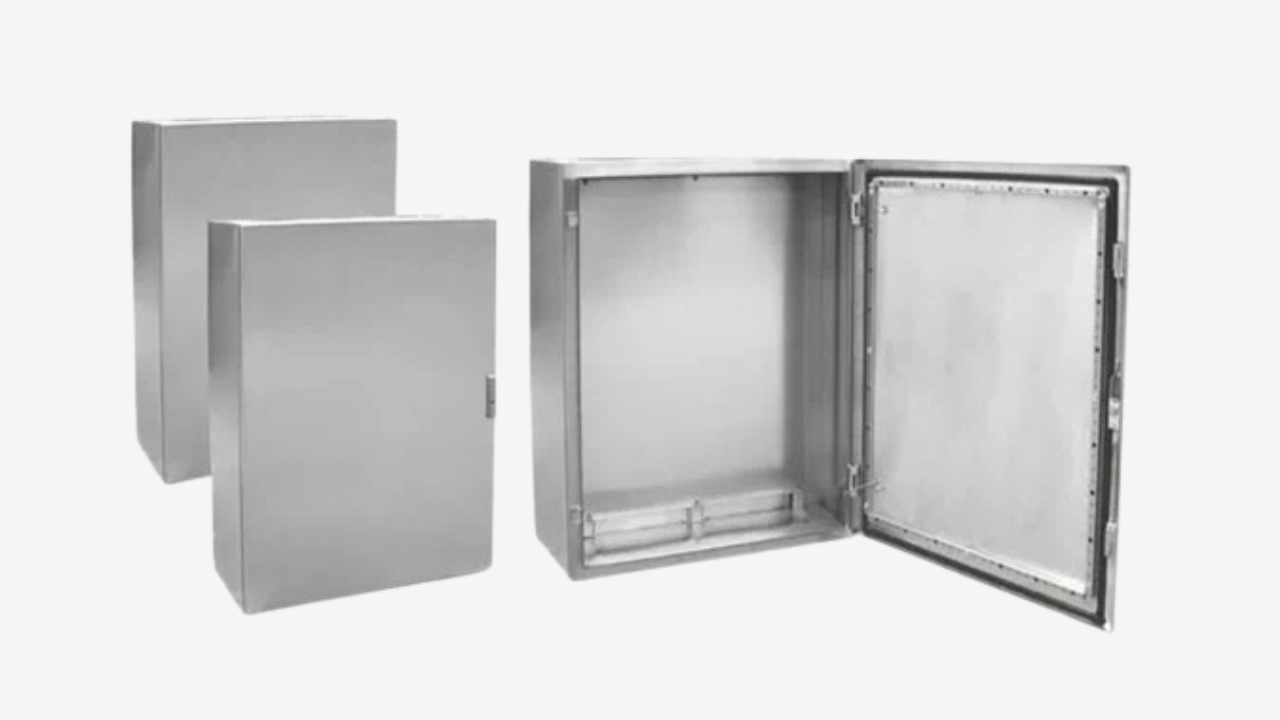
Ketahanan Korosi dan Ketahanan Cuaca
Fiberglass memiliki ketahanan korosi dan penuaan akibat cuaca yang stabil secara alami; bahkan dalam paparan jangka panjang terhadap kelembapan, semprotan garam, atau lingkungan UV, fiberglass tidak akan berkarat atau mengalami korosi tanpa perawatan anti-korosi apa pun.
Dibandingkan dengan kandang baja tahan karat, Tidak diperlukan perawatan tambahan, dan sistem yang sama dapat bekerja dengan aman di lingkungan luar ruangan biasa untuk waktu yang jauh lebih lama. Kotak pelindung dari baja tahan karat memiliki ketahanan korosi yang terbatas; di lingkungan dengan kelembaban tinggi atau sangat korosif, pembersihan menyeluruh dan perawatan pencegahan karat harus dilakukan secara teratur.
Kekuatan dan Ketahanan terhadap Benturan
Fiberglass memiliki kekuatan untuk menangani lingkungan industri pada umumnya. Kotak-kotak ini akan tahan terhadap benturan normal, penuaan normal, dan keausan umum tanpa penguatan tambahan.
Sebaliknya, kekuatan baja tahan karat akan memberikan stabilitas dimensi dan ketangguhan yang lebih baik, karena material ini tidak akan berubah bentuk bahkan dengan benturan yang sangat keras atau pukulan berulang. Jika perlindungan fisik merupakan prioritas utama untuk proyek Anda, maka inilah jenis penutup yang harus Anda pilih.
Kemudahan Bobot dan Penanganan
Kotak fiberglass memiliki kepadatan material yang lebih rendah dan secara keseluruhan lebih ringan, sehingga lebih mudah ditangani dan dipasang. Hal ini tidak hanya mengurangi kesulitan konstruksi tetapi juga membantu Anda menghemat biaya tenaga kerja.
Kotak pelindung dari baja tahan karat biasanya lebih berat. Jika proyek Anda membutuhkan pemindahan peralatan yang sering atau jika ruang kerja terbatas, maka Anda sebaiknya tidak memilih jenis ini.
Biaya Perawatan dan Masa Pakai
Kotak fiberglass secara inheren stabil. Kotak ini tidak berkarat atau teroksidasi, dan permukaannya tidak mudah terkorosi atau aus oleh lingkungan. Dalam penggunaan sehari-hari, kotak ini praktis tidak memerlukan perawatan tambahan. Anda hanya perlu membersihkannya dari debu dalam kehidupan sehari-hari, sehingga sangat praktis.
Baja tahan karat memiliki masa pakai keseluruhan yang lebih lama. Namun, sebagai logam, permukaannya rentan terhadap oksidasi ketika terpapar kelembapan, garam, atau debu dan kotoran dalam jangka waktu yang lama. Dalam kondisi pengoperasian yang berat, Anda harus membersihkan dan merawatnya secara teratur serta mengambil tindakan pencegahan perlindungan dasar. Hanya dengan cara ini Anda dapat menjaga penampilan dan kinerjanya dalam jangka panjang.
Bagan Perbandingan Cepat
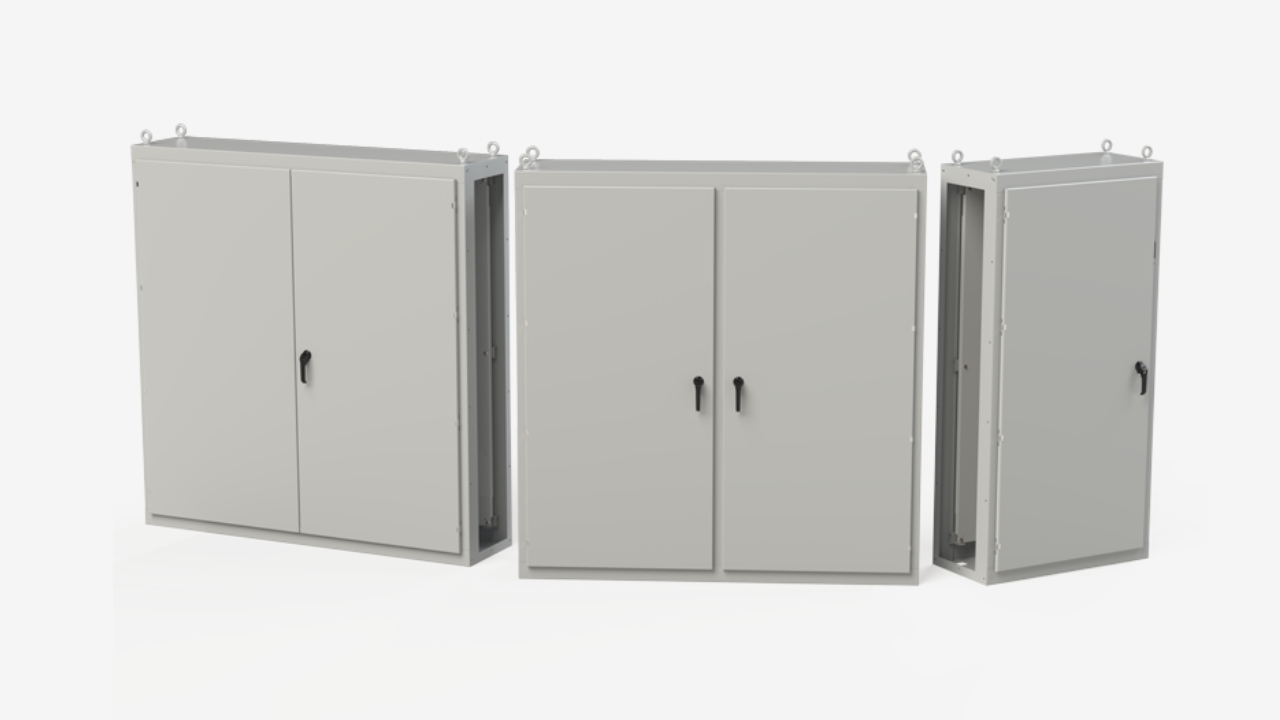
| Item Perbandingan | Kandang Fiberglass | Kandang Baja Tahan Karat |
| Tahan Korosi | Tinggi | Sedang |
| Ketahanan terhadap benturan | Sedang | Tinggi |
| Berat dan Pemasangan | Ringan | Berat |
| Persyaratan Pemeliharaan | Perawatan rendah | Perawatan rutin |
Perbedaan Aplikasi Kotak Pelindung Fiberglass vs. Baja Tahan Karat
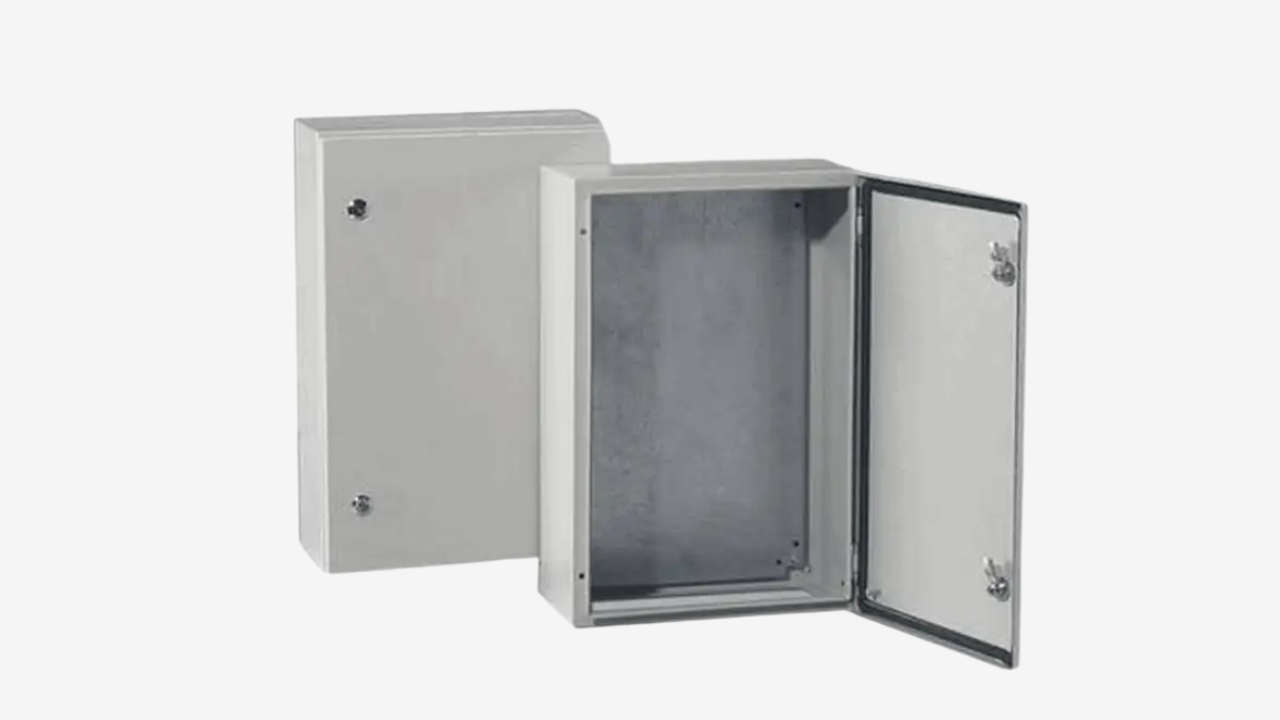
Saat memilih kotak pelindung untuk proyek Anda, penting untuk memahami sepenuhnya aplikasi yang tepat untuk setiap jenis kotak pelindung. Hanya dengan demikian Anda dapat memilih produk yang tepat berdasarkan kondisi di lokasi.
Aplikasi Khas dari Kotak Pelindung Fiberglass
- Lingkungan luar ruangan: Kotak fiberglass tahan terhadap sinar matahari, hujan, dan fluktuasi suhu antara siang dan malam. Bahkan jika Anda meninggalkannya di luar ruangan di lokasi peralatan atau di area konstruksi terpencil untuk jangka waktu yang lama, kotak ini tetap stabil dan andal, membantu melindungi peralatan di dalamnya dan memastikan pengoperasiannya yang aman.
- Daerah pesisir dengan semprotan garam tinggi dan udara korosif: Jika proyek Anda berlokasi di tepi laut atau di area pelabuhan, di mana udara memiliki kandungan garam yang tinggi, fiberglass tidak akan berkarat atau mengalami korosi. Fiberglass dapat menahan semprotan garam dalam jangka waktu lama dan akan mempertahankan penampilan serta kinerjanya bahkan setelah penggunaan jangka panjang.
- Lingkungan dengan kelembapan tinggi: Jika lokasi berada di dekat sungai, danau, instalasi pengolahan air limbah, atau bengkel yang lembap, kelembapan yang tinggi tidak akan merusak struktur penutup. Anda tidak perlu memasang aksesori tahan cuaca tambahan, yang berarti Anda dapat menggunakannya dengan lebih tenang sepanjang masa pakainya.
Aplikasi Khas dari Kotak Pelindung Baja Tahan Karat
- Lokasi industri kimia dengan gas atau cairan korosif: Di lingkungan lokasi yang terdapat gas atau cairan korosif, penutup baja tahan karat memberikan ketahanan terhadap korosi. Penutup ini mengurangi kerusakan peralatan akibat korosi dan sepenuhnya memenuhi aspek perlindungan dalam aplikasi kimia.
- Lingkungan industri berat: Penggunaan penutup baja tahan karat di bengkel manufaktur atau di lokasi pertambangan harus selalu mempertimbangkan paparan terhadap benturan, tekanan, dan getaran. Penutup baja tahan karat menawarkan ketahanan tinggi terhadap deformasi dan juga memiliki kapasitas tinggi untuk menahan gaya eksternal yang tinggi, memberikan stabilitas dan perlindungan yang lebih besar.
- Kondisi kerja suhu tinggi: Selama wadah tersebut terpapar lingkungan suhu tinggi dalam jangka panjang, baja tahan karat tidak akan mudah berubah bentuk, dan kinerjanya tidak akan menurun. Baja tahan karat tidak akan terpengaruh oleh lingkungan panas tinggi dalam jangka panjang.
Cara Memilih Enklosur Industri yang Sesuai untuk Anda
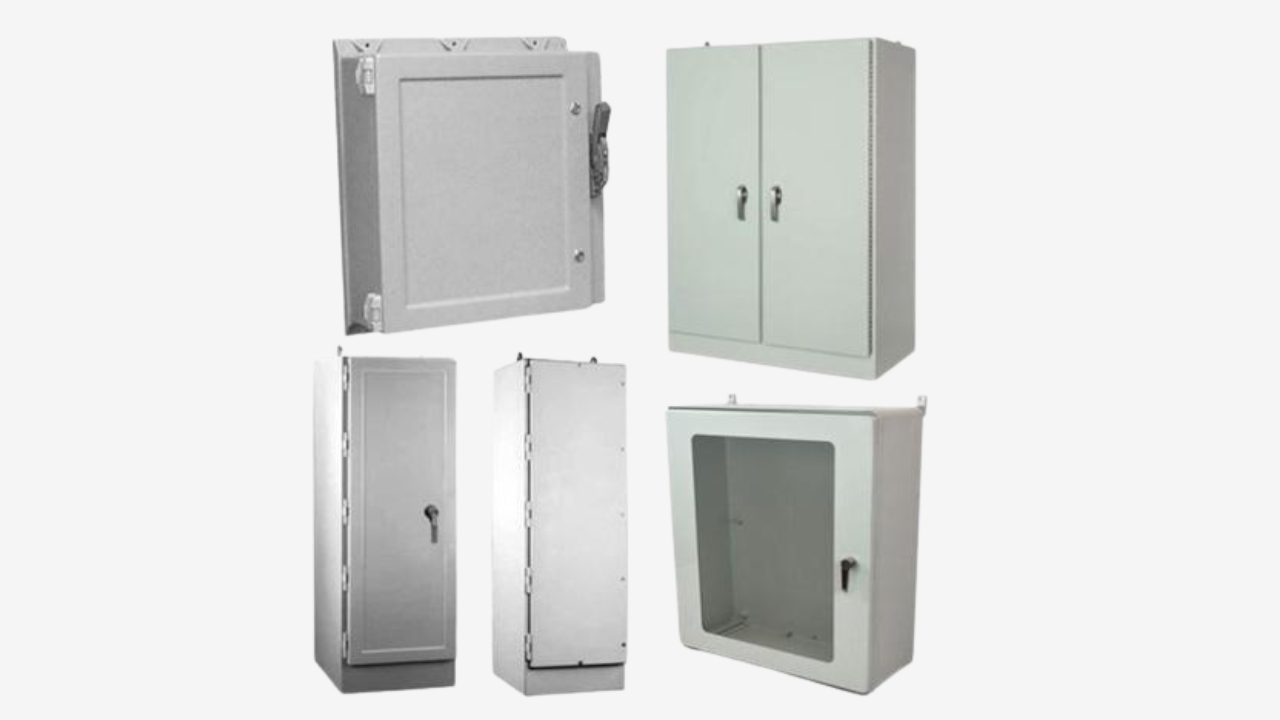
Memilih enclosure industri yang tepat sebenarnya merupakan proses tiga langkah yang memungkinkan Anda memilih enclosure yang disesuaikan sempurna dengan kebutuhan spesifik proyek Anda, serta memberikan perlindungan yang stabil dan andal untuk peralatan Anda:
- Lakukan penilaian terhadap lingkungan operasional — ini sangat penting untuk memastikan pengoperasian peralatan yang stabil. Anda perlu mempertimbangkan kondisi operasional utama seperti kelembaban, kabut garam, suhu tinggi, getaran, dan benturan, karena faktor-faktor ini secara langsung menentukan kriteria pemilihan material untuk penutup.
- Pertimbangkan metode pemasangan dan skenario penggunaan Anda: Di ruang kerja yang terbatas, penutup yang ringan mempermudah pemasangan; untuk penempatan tetap jangka panjang, prioritaskan desain struktural yang kokoh dan tahan lama.
- Ambil keputusan dengan menyeimbangkan anggaran, kebutuhan perawatan jangka panjang, dan kebutuhan kustomisasi seperti potongan dan dimensi: Beberapa proyek memprioritaskan efisiensi perakitan yang cepat, sementara yang lain berfokus pada biaya operasional jangka panjang; tujuan yang berbeda ini akan memengaruhi pilihan akhir Anda.
Dengan mengikuti pendekatan ini, Anda dapat secara efisien mengidentifikasi penutup pelindung yang paling sesuai dengan kondisi operasional Anda, meminimalkan biaya coba-coba selama pemilihan, dan memberikan perlindungan yang stabil dan andal untuk peralatan proyek Anda.
Tanya Jawab Umum
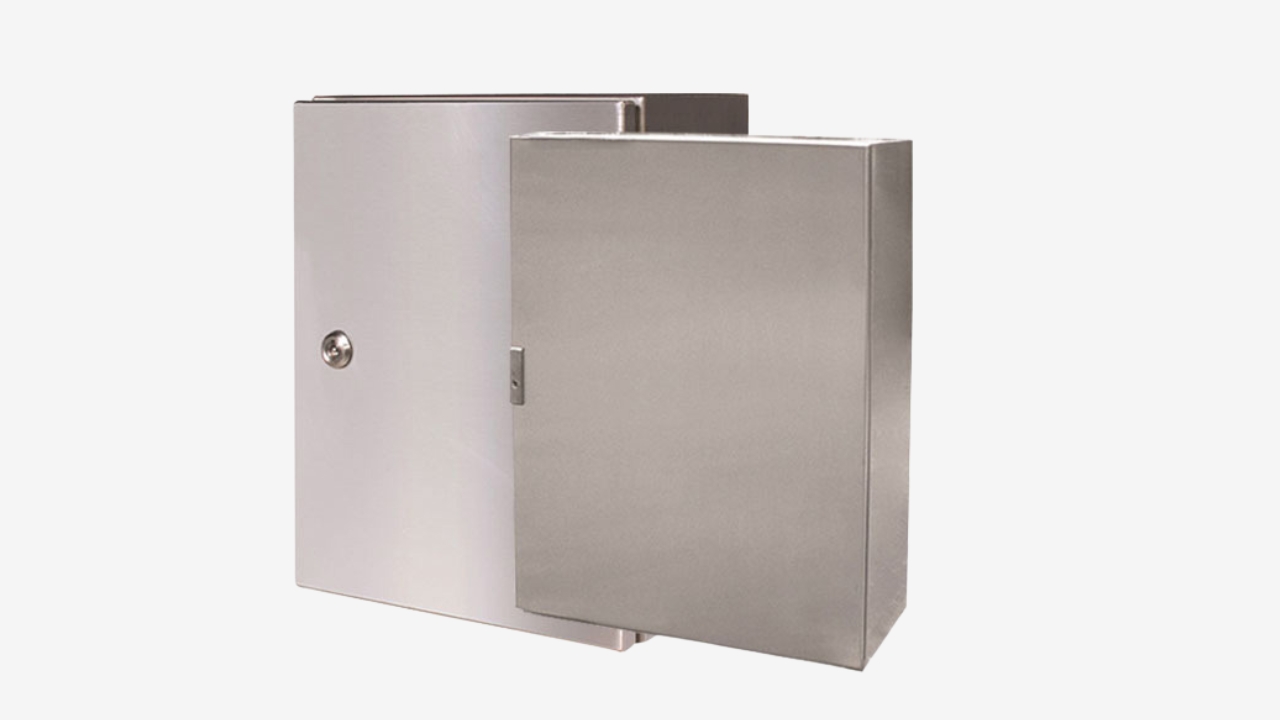
Berapa Lama Masa Pakai Kotak Pelindung FRP dan Kotak Pelindung Industri dari Baja Tahan Karat?
Dalam kondisi pengoperasian yang tepat, masa pakai tipikal kotak fiberglass adalah sekitar sepuluh tahun. Kotak baja tahan karat menawarkan kekuatan struktural yang lebih unggul, dan masa pakainya dapat diperpanjang lebih lanjut bila digunakan di lingkungan yang tidak korosif. Kotak ini ideal untuk proyek-proyek teknik yang memprioritaskan pengoperasian jangka panjang dan stabil.
Seberapa Sulitkah Memasang Selubung Pelindung Industri dari Fiberglass dan Baja Tahan Karat? Apakah Ini Akan Mempengaruhi Jadwal Proyek?
Penutup berbahan fiberglass ringan, sehingga mudah diangkut dan dipindahkan, serta cepat dipasang, sehingga dapat mengurangi waktu pemasangan di lokasi secara signifikan. Biasanya, penutup berbahan baja tahan karat lebih berat, dan memberikan beban lebih pada basis instalasi dan tenaga kerja, atau membutuhkan waktu lebih lama untuk dipasang di lokasi yang kompleks.
Mampukah kinerja penyegelan dari penutup fiberglass dan baja tahan karat menjamin keamanan peralatan dalam jangka panjang?
Dua jenis kotak pelindung memiliki susunan penyegelan yang kedap air sehingga debu dan hujan tidak masuk ke bagian dalam. Lapisan penyegelan untuk kotak pelindung fiberglass sangat stabil, memberikan ketahanan tinggi secara keseluruhan terhadap celah atau kelonggaran setelah bertahun-tahun terpapar di luar ruangan. Bagian penyegelan untuk kotak pelindung stainless steel dapat dipasang dengan rapat, memastikan kinerja tahan angin, pasir, dan kelembapan yang konstan untuk pengoperasian jangka panjang peralatan listrik di dalamnya.
Selama pengangkutan jarak jauh, mana yang kurang rentan terhadap kerusakan: wadah fiberglass atau baja tahan karat?
Ketahanan dan daya tahan benturan pada kotak fiberglass sangat baik, sehingga sulit untuk berubah bentuk. Bobotnya yang ringan juga mencegah kerusakan selama pengiriman akibat benturan, sehingga risiko kerusakan selama pengiriman lebih kecil. Sudut-sudut kotak stainless steel yang diperkuat dan mudah rusak akan tergores selama pengangkutan jarak jauh, sehingga harus diperkuat dan dilindungi selama pengiriman.
Mana yang Lebih Cocok untuk Peningkatan Peralatan di Masa Depan: Fiberglass atau Stainless Steel?
Sifat yang lebih "fleksibel" dari kotak fiberglass berarti kotak tersebut dapat dipotong untuk menambahkan port tambahan tanpa banyak kesulitan, dan bentuknya dapat diadaptasi dengan lebih mudah seiring perubahan kebutuhan peralatan. Setelah kotak stainless steel dibentuk, akan sulit untuk dimodifikasi; oleh karena itu, kotak ini lebih tepat digunakan jika spesifikasi peralatan sudah diketahui sebelumnya dan tidak berubah.
Kesimpulan Akhir
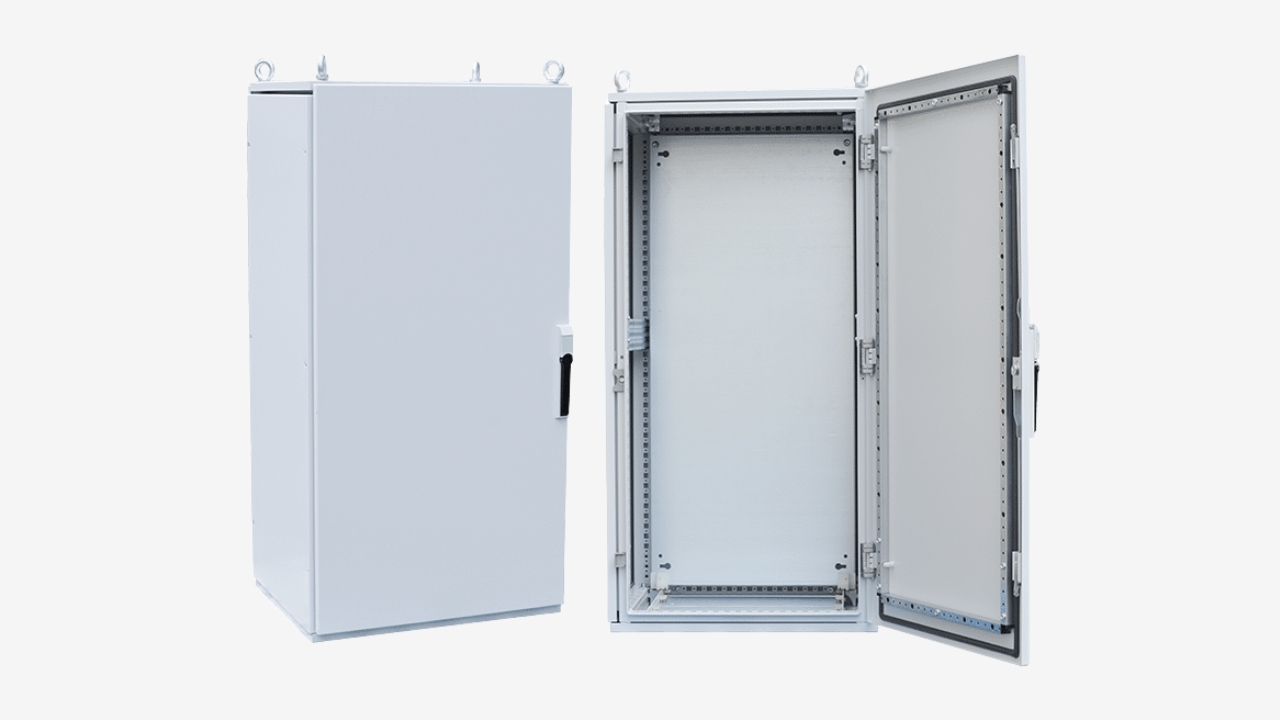
Memilih wadah berbahan fiberglass atau baja tahan karat yang tepat untuk peralatan Anda sangat penting untuk memberikan keamanan yang andal. KDM adalah produsen kustom tepercaya yang dapat menghadirkan solusi tangguh, teruji, dan siap pakai di lokasi. Hubungi kami hari ini dan dapatkan desain kustom dalam waktu singkat.
 Indonesian
  English
  Arabic
  French
  Spanish
  Russian
  Japanese
  Korean
  Portuguese
  Chinese