


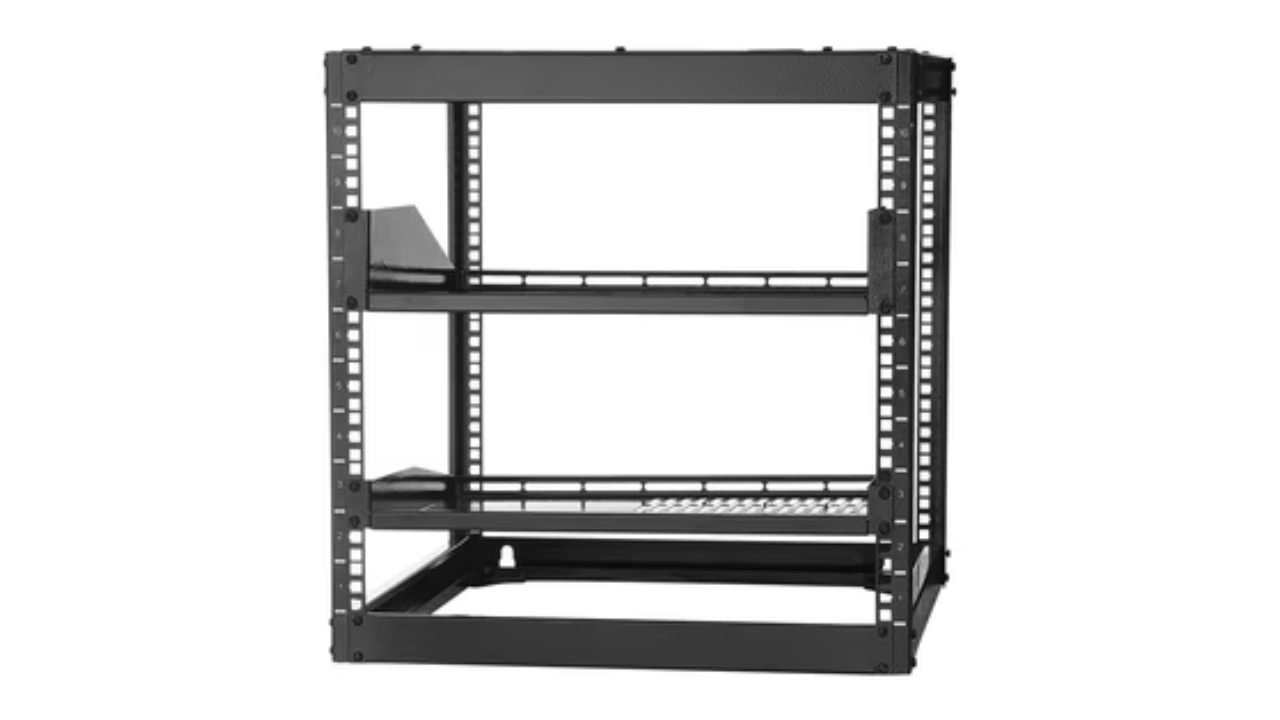
Rak terbuka dan rak yang dipasang di dinding dirancang untuk memenuhi kebutuhan operasional dan lingkungan yang berbeda. Artikel ini membantu manajer TI dan integrator sistem memahami perbedaan antara rak terbuka dan rak yang dipasang di dinding, serta memberikan pertimbangan pemilihan untuk membantu Anda memilih rak yang tepat untuk bisnis Anda.
Apa Itu Rak Rangka Terbuka?
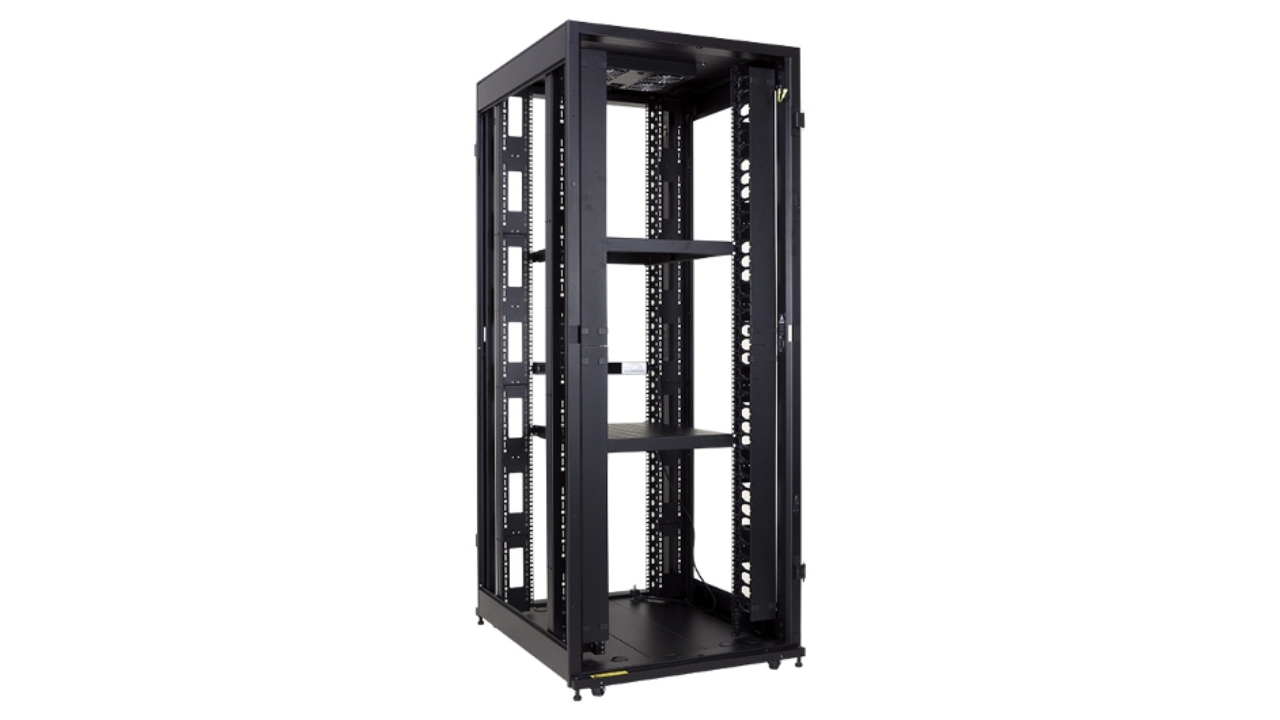
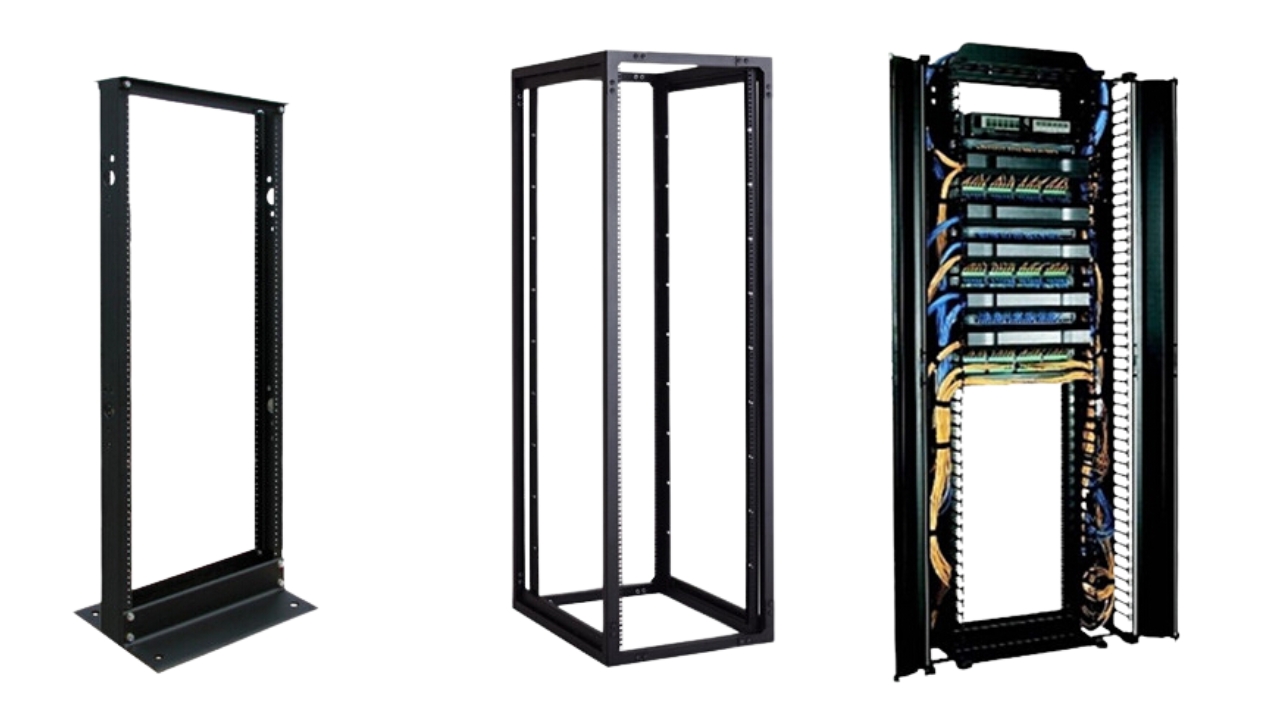
Rak rangka terbuka adalah rak yang digunakan untuk memasang peralatan standar. Biasanya terdiri dari sebuah dua tiang atau empat tiang Rangka logam, tanpa panel samping dan pintu. Jarak standar disediakan untuk lubang pemasangan pada kolom.
Rak rangka terbuka biasanya dipasang di lantai. Standar internasional dengan lebar 19 inci biasanya diikuti, dan tinggi yang umum adalah 24U, 42U, dan 48U. Rak rangka terbuka sebagian besar digunakan di pusat data, ruang server, dan ruang telekomunikasi.
Apa Itu Rak yang Dipasang di Dinding?
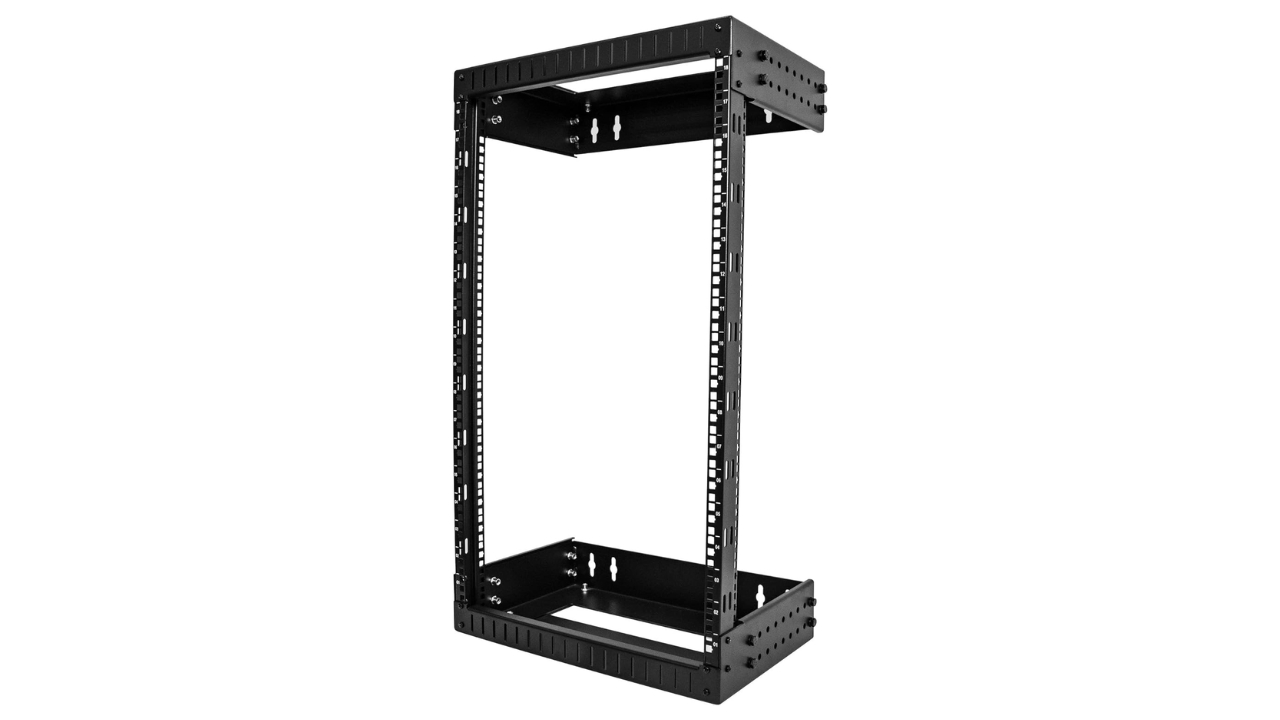
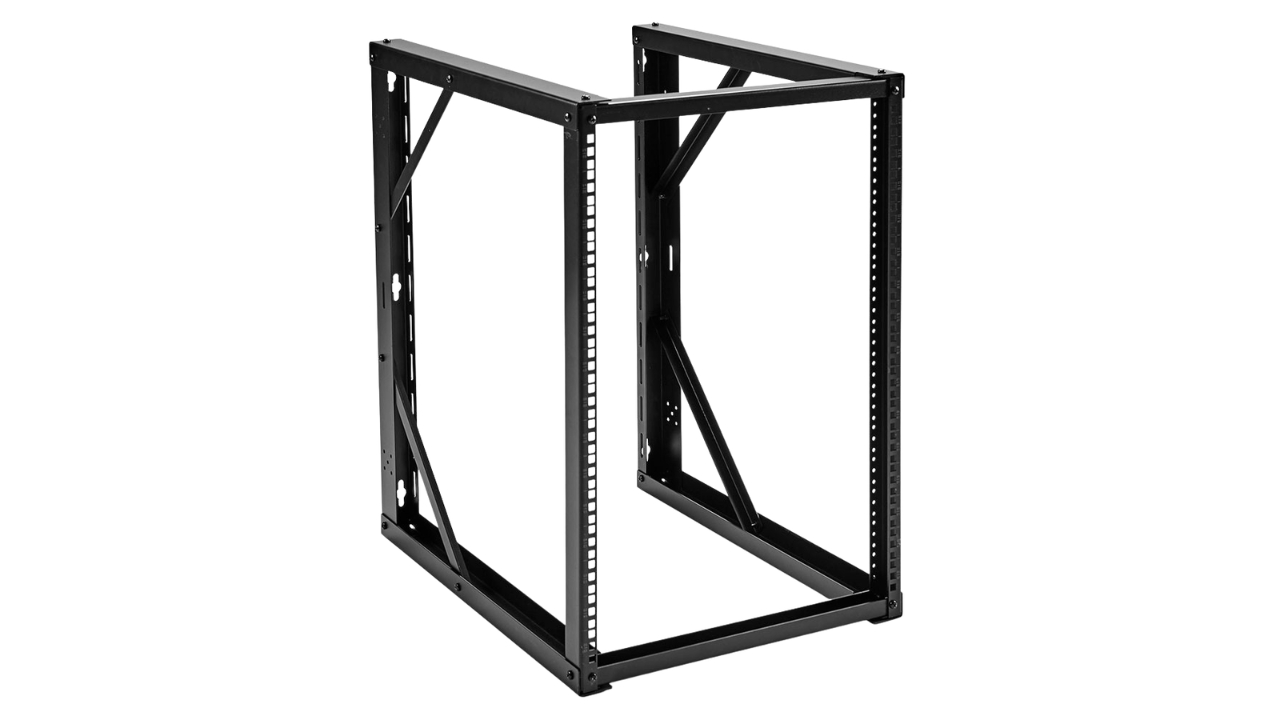
A rak yang dipasang di dinding Rak dinding adalah rak kompak yang biasanya dipasang langsung di dinding. Biasanya memiliki panel belakang dan pintu depan yang dapat dibuka dan ditutup. Beberapa rak memiliki panel samping yang dapat dilepas. Struktur tertutup dari rak dinding memberikan perlindungan keamanan dan perlindungan dari debu.
Rak yang dipasang di dinding juga sesuai dengan standar 19 inci, sehingga memudahkan pemasangan peralatan standar. Namun, tingginya biasanya 8U hingga 27U. Rak yang dipasang di dinding lebih hemat ruang dan oleh karena itu banyak digunakan di ruang IT dan kantor kecil.
Rak Terbuka vs. Rak yang Dipasang di Dinding: Perbedaan Utama Dijelaskan
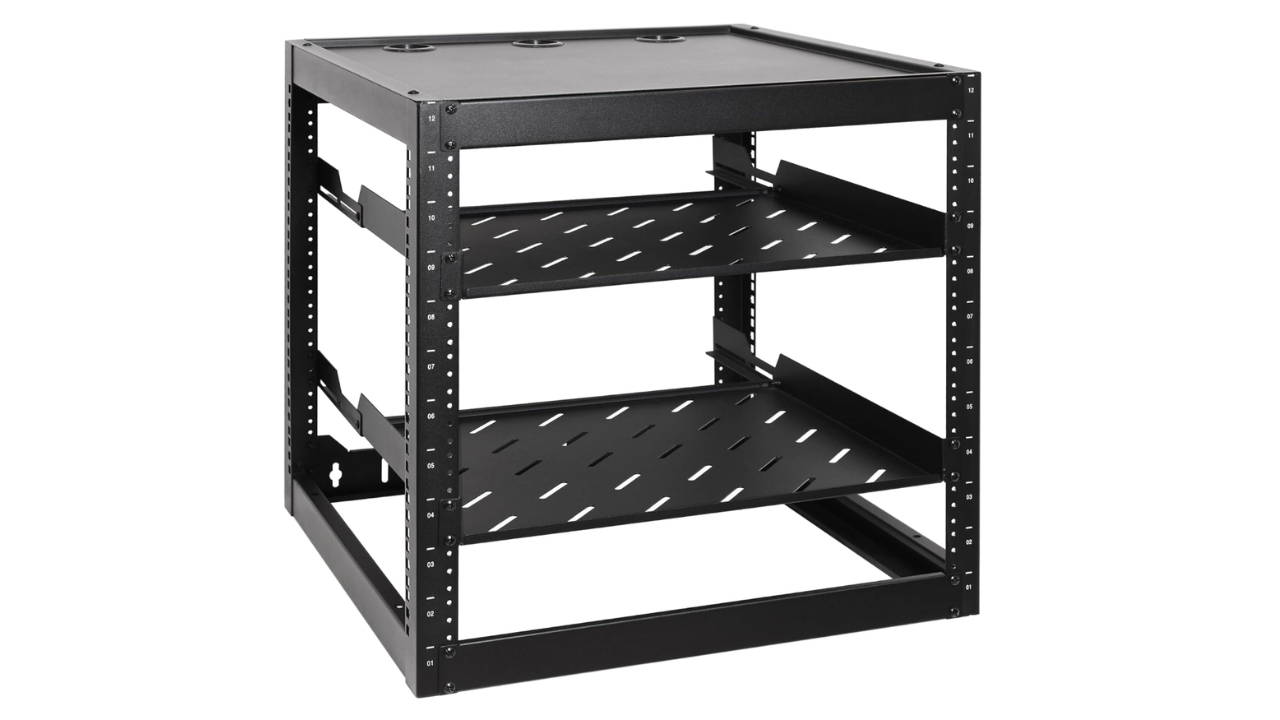
Untuk memilih rak yang tepat antara rak rangka terbuka dan rak yang dipasang di dinding, Anda perlu memahami sepenuhnya perbedaan di antara keduanya. Pilihan rak secara langsung memengaruhi instalasi, kinerja, skalabilitas, dan efisiensi operasional.
Metode Pemasangan
Rak rangka terbuka biasanya dipasang langsung di lantai, sedangkan rak yang dipasang di dinding memerlukan baut ekspansi untuk dipasang ke dinding. Terlebih lagi, rak rangka terbuka Rak dengan roda dapat dengan mudah didorong dan ditarik, sedangkan rak yang dipasang di dinding akan tetap terpasang di dinding kecuali jika dilepas.
Desain Struktur dan Faktor Bentuk
Rak terbuka dan rak yang dipasang di dinding biasanya memiliki rangka logam. Namun, rak terbuka tidak memiliki panel samping atau pintu, sedangkan rak yang dipasang di dinding memiliki panel samping, penutup bawah, dan pintu yang dapat dikunci. Oleh karena itu, rak yang dipasang di dinding memiliki desain yang lebih tertutup dibandingkan dengan rak terbuka.
Kapasitas Muat
Rak rangka terbuka memiliki kapasitas menahan beban yang lebih baik, terutama model empat tiang, yang mampu menopang server berat dan konfigurasi padat. Rak ini dapat menopang server tugas berat, sistem UPS, dan susunan peralatan yang padat. Anda dapat menerapkannya pada infrastruktur TI dengan kepadatan tinggi.
Kapasitas daya dukung rak yang dipasang di dinding dibatasi oleh kekuatan dinding, perangkat pemasangan, dan desain struktural rak itu sendiri. Rak ini cocok untuk memasang peralatan ringan hingga menengah Anda.
Aliran udara
Rak rangka terbuka memiliki kemampuan pembuangan panas yang lebih baik daripada rak yang dipasang di dinding. Karena rak rangka terbuka tidak memiliki panel samping dan pintu, seluruh rak terbuka, sehingga aliran udara ke segala arah tidak terhambat. Hal ini memungkinkan pendinginan pasif yang efisien dengan ketergantungan rendah pada pendingin udara dan kipas. Sangat cocok untuk peralatan Anda yang menghasilkan panas tinggi.
Struktur tertutup rak yang dipasang di dinding sangat menghambat aliran udara alami. Oleh karena itu, biasanya diperlukan lubang ventilasi atau pendinginan aktif (pemasangan kipas). Rak yang dipasang di dinding memerlukan manajemen termal yang cermat, karena dapat menyebabkan risiko panas berlebih.
Keamanan
Rak yang dipasang di dinding lebih aman daripada rak dengan rangka terbuka. Rak yang dipasang di dinding memiliki kunci pintu untuk mencegah kontak yang tidak disengaja. Terlebih lagi, pintu dan panel samping yang terpasang pada rak yang dipasang di dinding dapat menghalangi sebagian besar debu. Rak ini memiliki keamanan fisik dasar dan perlindungan anti debu.
Namun, perangkat dengan rak berbingkai terbuka sepenuhnya terbuka dan rentan terhadap debu, kontak yang tidak disengaja, dan faktor lingkungan.
Aksesibilitas & Pemeliharaan
Rak dengan struktur terbuka lebih mudah diservis dan diakses dibandingkan rak yang dipasang di dinding. Struktur terbuka memungkinkan akses dari segala arah. Hal ini menyederhanakan instalasi, peningkatan, dan pemecahan masalah. Rak ini ideal untuk lingkungan dengan perawatan intervensi yang sering.
Penutup rak yang dipasang di dinding membatasi titik akses ke bagian depan atau samping. Pada rak tertutup yang kecil, persyaratan perawatan biasanya lebih ketat. Dan ini juga akan meningkatkan waktu yang Anda butuhkan untuk mengatur ulang peralatan.
Skalabilitas
Rak dengan rangka terbuka memiliki skalabilitas yang lebih baik daripada rak yang dipasang di dinding. Dimensi tetap dan ruang dinding membatasi skalabilitas rak yang dipasang di dinding. Jika Anda perlu melakukan ekspansi, biasanya Anda perlu memasang unit tambahan di tempat lain.
Rak rangka terbuka mendukung pertumbuhan di masa depan dan desain modular. Anda dapat dengan mudah menambahkan lebih banyak peralatan dan rak tambahan. Ini lebih cocok untuk Anda yang melakukan perencanaan infrastruktur jangka panjang.
Manajemen Kabel
Rak rangka terbuka memiliki fleksibilitas pengkabelan yang lebih tinggi daripada rak yang dipasang di dinding. Rak rangka terbuka memudahkan perutean dan modifikasi kabel. Ini memungkinkan Anda memiliki sistem manajemen kabel yang fleksibel. Anda dapat menerapkannya untuk pengaturan pengkabelan yang kompleks dan terus berkembang.
Rak yang dipasang di dinding memiliki ruang perutean kabel yang terbatas, termasuk titik masuk dan pengatur kabel terintegrasi. Anda perlu merencanakan dengan cermat untuk menghindari penumpukan kabel.
Biaya
Secara umum, rak rangka terbuka lebih murah daripada rak yang dipasang di dinding. Rak rangka terbuka memiliki desain yang lebih sederhana dan biaya awal yang lebih rendah. Hal ini bergantung pada aliran udara alami, yang mengurangi biaya pendinginan. Selain itu, rak ini dapat diletakkan langsung di lantai tanpa biaya pemasangan tambahan.
Rangka dan perangkat keras rak yang dipasang di dinding membutuhkan biaya material yang tinggi. Terlebih lagi, dibutuhkan biaya pemasangan dan biaya pembelian peralatan pendingin. Dalam jangka panjang, perangkat pendingin juga akan meningkatkan tagihan listrik operasional Anda.
Aplikasi
Sistem rak rangka terbuka biasanya digunakan di pusat data, ruang server perusahaan, dan fasilitas kolokasi. Sistem ini terutama digunakan untuk infrastruktur TI dengan kepadatan tinggi dengan suhu, kelembaban, dan keamanan yang dapat dikontrol. Rak yang dipasang di dinding digunakan di lingkungan komputasi dan jaringan terdistribusi. Anda dapat menerapkannya di kantor cabang, toko ritel, dan lokasi terpencil.
Faktor-faktor yang Perlu Dipertimbangkan Saat Memilih Rak yang Tepat
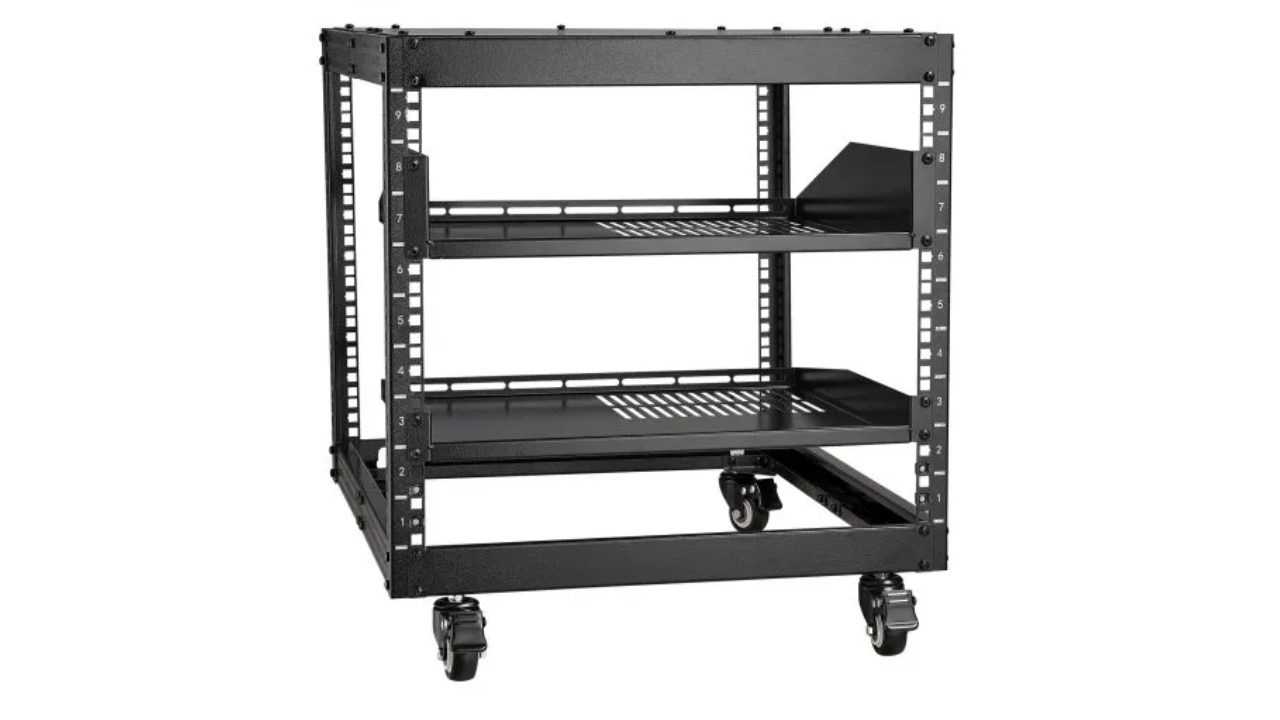
Ruang yang Tersedia
Rak rangka terbuka membutuhkan ruang lantai khusus. Rak yang dipasang di dinding perlu memastikan bahwa dinding dapat menopang beban. Jika Anda tidak merencanakan ruang Anda dengan benar, hal itu dapat mengakibatkan aliran udara yang buruk dan menghalangi akses.
Beban Peralatan
Anda perlu memastikan jenis perangkat dan berat totalnya. Pastikan rak yang Anda beli sesuai dengan ukuran peralatan Anda. Perhitungan berat peralatan sangat penting. Kelebihan beban dapat mengakibatkan kerusakan struktural pada rak dan risiko keselamatan.
Ukuran Rak dan Skalabilitas
Anda perlu menghitung kebutuhan ruang perangkat saat ini. Pilih ukuran rak yang sesuai dan tambahkan kapasitas ekstra 20-30%. Memilih rak dengan ukuran yang tepat dapat mencegah peningkatan atau perakitan ulang yang mahal di masa mendatang.
Persyaratan Pendinginan
Pembuangan panas yang buruk dapat memperpendek umur peralatan dan menyebabkan waktu henti. Oleh karena itu, suhu lingkungan dan sistem pendingin harus dipertimbangkan saat memilih rak.
Manajemen dan Pengorganisasian Kabel
Memilih rak mengharuskan Anda mempertimbangkan beberapa hal. baki kabel, pengelola kabel vertikal/horizontal, dan aksesori pengorganisasian lainnya. Selain itu, Anda juga perlu mengevaluasi volume kabel secara umum dan rencana untuk peningkatan di masa mendatang. Manajemen kabel berkaitan dengan aliran udara rak, pemecahan masalah, dan keandalan sistem.
Lingkungan Instalasi
Rak Anda perlu disesuaikan dengan metode penggunaan dan lingkungan Anda. Secara umum, rak rangka terbuka cocok untuk digunakan di pusat data dan ruang server. Rak yang dipasang di dinding cocok untuk kantor kecil dan toko ritel.
Tanya Jawab Umum
Apakah Rak yang Dipasang di Dinding Merupakan Pilihan yang Baik untuk Bisnis Kecil?
Ya. Rak yang dipasang di dinding menghemat ruang, mengurangi biaya, dan menjamin pemasangan yang rapi dan efisien. Namun, rak ini lebih cocok untuk pengaturan dengan kepadatan rendah hingga menengah. Jika bisnis Anda berencana untuk memasang server kelas berat atau berkembang pesat, Anda dapat memilih rak rangka terbuka.
Bisakah Anda Menggunakan Kedua Jenis Rak dalam Proyek yang Sama?
Ya. Ini juga merupakan metode penerapan yang sangat direkomendasikan. Metode hibrida memungkinkan Anda untuk memaksimalkan kinerja setiap rak dan juga mengoptimalkan ruang, biaya, dan kinerja.
Bisakah Rak Berbingkai Terbuka Digunakan Di Luar Pusat Data?
Ya. Rak rangka terbuka juga dapat digunakan di ruang telekomunikasi, laboratorium, atau fasilitas industri. Namun, karena rak rangka terbuka tidak memiliki penutup, perlindungan terhadap debu, dan kelembapan, Anda hanya dapat memasangnya di lingkungan yang bersih, aman, dan terkontrol.
Apakah Terdapat Perbedaan Kebisingan Antara Kedua Jenis Rak Tersebut?
Mungkin ada perbedaan kebisingan yang cukup signifikan antara rak rangka terbuka dan rak yang dipasang di dinding. Kebisingan rak rangka terbuka tidak diredam dan lebih keras di lingkungan terbuka. Rak yang dipasang di dinding dapat meredam sebagian kebisingan. Namun, hal ini juga menyebabkan penumpukan panas, sehingga kipas di dalamnya beroperasi lebih berisik.
Pemikiran Akhir
Sebagai produsen kotak listrik profesional, KDM menyediakan berbagai rak berkualitas tinggi untuk Anda. Selain itu, kami juga menyediakan kotak listrik yang disesuaikan layanan. Kami memiliki tim profesional untuk memberikan solusi khusus dan terpersonalisasi kepada Anda. Hubungi kami. Kami akan segera membalas dan memberikan sampel kepada Anda.
 Indonesian
  English
  Arabic
  French
  Spanish
  Russian
  Japanese
  Korean
  Portuguese
  Chinese