


Baja tahan karat 304 dan 316 memiliki daya tahan dan ketahanan korosi yang sangat baik. Tetapi apa perbedaan di antara keduanya? Artikel ini dapat membantu para insinyur listrik dan integrator sistem memahami perbedaan kekuatan, ketahanan korosi, dan biaya keduanya untuk membantu Anda memilih penutup yang tepat untuk proyek Anda.
Apa itu Enklosur Baja Tahan Karat 304?
Itu baja tahan karat 304 Enclosure adalah kabinet listrik yang terbuat dari baja tahan karat kelas 304. Enclosure ini menggunakan paduan yang mengandung kromium dan nikel, sehingga memberikan ketahanan korosi dan daya tahan yang sangat baik. Enclosure ini dirancang untuk melindungi komponen elektronik, panel kontrol dan mencegah kerusakan fisik di lingkungan industri. Karena efektivitas biaya dan kekuatannya, baja tahan karat banyak digunakan dalam peralatan manufaktur, instalasi dalam ruangan, dan lingkungan pengolahan makanan. Meskipun baja tahan karat umumnya dipilih untuk peralatan pengolahan, produk makanan ritel sering menggunakan baja tahan karat. kemasan kaleng makanan untuk kue kering, cokelat, teh, kopi, dan set hadiah musiman.
Apa itu Enklosur Baja Tahan Karat 316?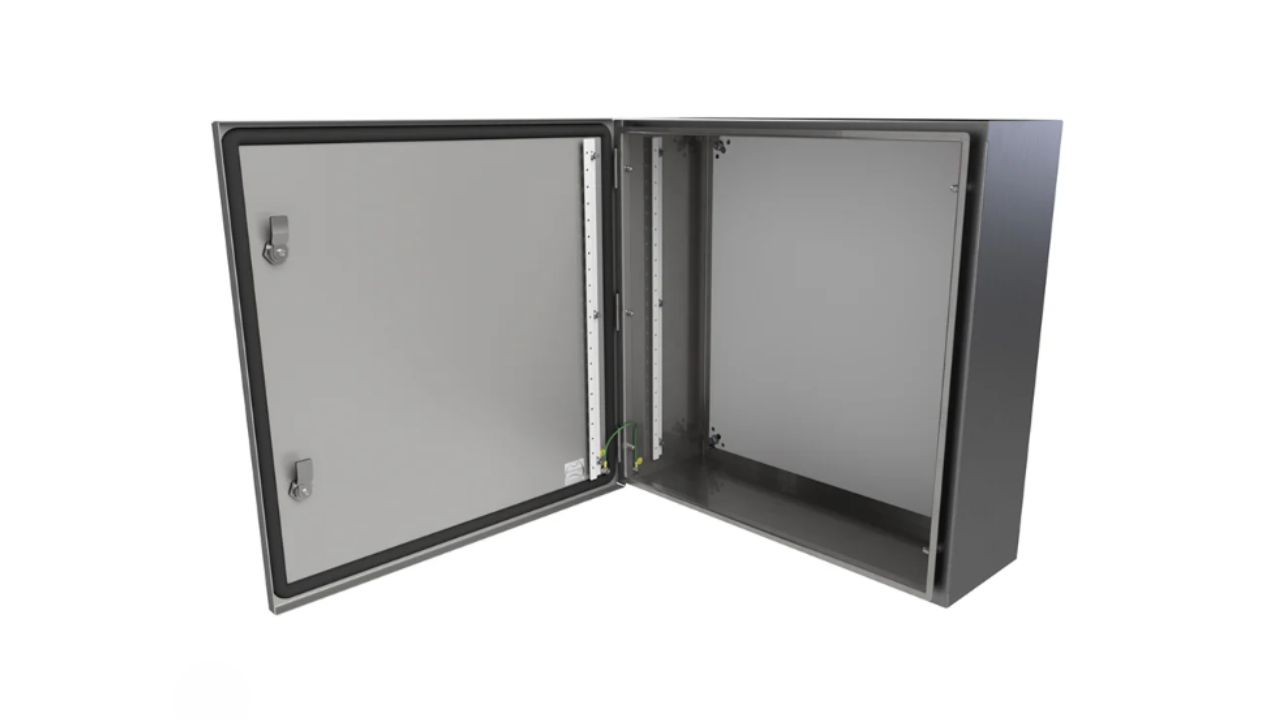
Kotak pelindung stainless steel 316 terbuat dari stainless steel kelas 316. Paduan ini berbasis stainless steel 304 dengan tambahan unsur molibdenum. Molibdenum memperkuat ketahanan stainless steel terhadap korosi, bahan kimia, dan paparan garam. Ketahanannya yang sangat baik terhadap korosi lubang dan korosi kimia memungkinkan penggunaannya secara luas di daerah pesisir, pabrik kimia, dan fasilitas pengolahan air limbah.
Perbedaan Utama Antara Casing Baja Tahan Karat 304 dan 316
Baja tahan karat 304 dan 316 adalah baja tahan karat austenitik, struktur kristal austenitik pada material tersebut memberikan kekuatan dan ketahanan korosi yang sangat tinggi. Untuk memahami perbedaan antara baja tahan karat 304 dan 316, perlu dilakukan perbandingan detail dari aspek-aspek berikut.
Tahan Korosi
Perbedaan ketahanan korosi antara selubung baja tahan karat 304 dan 316 terutama berasal dari perbedaan komposisi kimianya.
Baik baja tahan karat kelas 304 maupun 316 mengandung kromium, yang merupakan karakteristik umum dari semua jenis baja tahan karat. baja tahan karat (mengandung setidaknya 10,5%). Ini membentuk lapisan pelindung oksida tipis pada permukaan logam. Lapisan pelindung ini akan secara otomatis memperbaiki dirinya sendiri bahkan jika tergores untuk mencegah karat. Sementara 316 mengandung molibdenum 2-3%, 304 tidak. Unsur ini meningkatkan ketahanan selubung baja tahan karat 316 terhadap klorida, garam, dan bahan kimia korosif.
Oleh karena itu, Anda dapat menggunakan kotak pelindung baja tahan karat 304 untuk lingkungan industri standar, sedangkan kotak pelindung baja tahan karat 316 lebih cocok untuk lingkungan dengan kadar garam tinggi dan sangat korosif.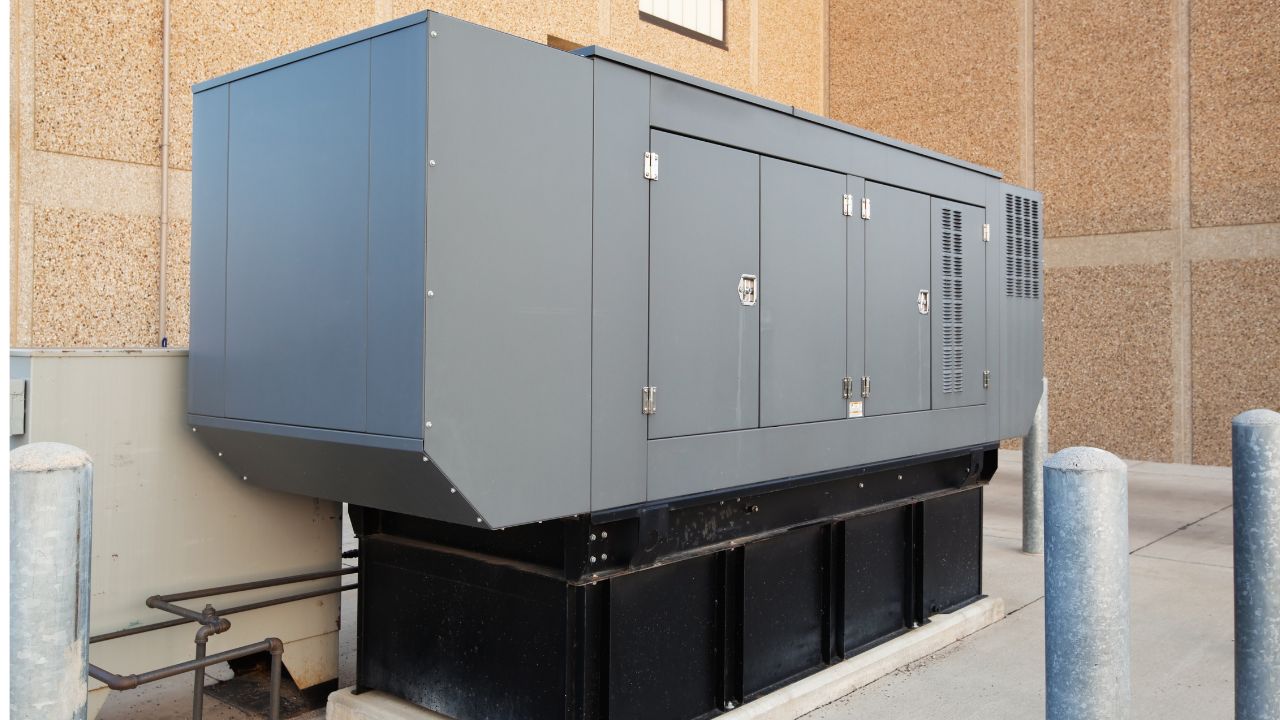
Ketahanan Kimia
Demikian pula, perbedaan ketahanan korosi kimia antara baja tahan karat 304 dan 316 juga berasal dari unsur molibdenum. Molibdenum membuat lapisan pelindung pada permukaan baja tahan karat lebih stabil dan padat. Ketika lapisan pelindung rusak, molibdenum dapat mencegah korosi menyebar lebih dalam.
Kotak baja tahan karat 316 lebih tahan terhadap korosi kimia dibandingkan kotak baja tahan karat 304, terutama dalam korosi klorida dan garam. Baja tahan karat 304 rentan terhadap korosi lubang dan korosi celah di lingkungan dengan kandungan garam tinggi. Di lingkungan asam kuat dan pelarut, penutup baja tahan karat 316 memiliki kinerja yang lebih baik.
Kekuatan Mekanik
Kekuatan mekanik baja tahan karat 304 dan baja tahan karat 316 sangat mirip. Dalam hal kekuatan tarik dan kekuatan luluh, baja tahan karat 304 sedikit lebih tinggi daripada baja tahan karat 316. Ini berarti baja tahan karat 304 dapat menahan tekanan mekanik yang sedikit lebih besar.
Namun, dalam sebagian besar aplikasi kotak listrik, kedua material ini dapat melindungi komponen listrik dari guncangan mekanis dan beban struktural.
Kekerasan dan Ketahanan Aus
Dari segi kekerasan dan ketahanan aus, kedua material ini juga sangat mirip karena keduanya merupakan baja tahan karat austenitik. Baja tahan karat 304 biasanya sedikit lebih keras daripada baja tahan karat 316, yang memberikan keunggulan kecil pada casing baja tahan karat 304 dalam mengatasi deformasi permukaan dan goresan.
Namun, dalam aplikasi praktis, proses perawatan permukaan baja tahan karat memiliki dampak yang lebih besar pada goresan, daripada jenis baja tahan karat itu sendiri.
Tahan Suhu
Baik selubung baja tahan karat 304 maupun 316 memiliki ketahanan suhu rendah yang sangat baik. Kedua jenis cangkang ini dapat mempertahankan ketangguhan dan kekuatan yang baik di lingkungan suhu rendah. Namun, di lingkungan korosif dan klorida, toleransi suhu tinggi baja tahan karat 316 lebih kuat daripada baja tahan karat 304.
Berat dan Kepadatan
Kepadatan baja tahan karat 316 sedikit lebih tinggi daripada 304, tetapi perbedaannya dapat diabaikan. Untuk kotak dengan ukuran dan ketebalan yang sama, kotak baja tahan karat 316 sedikit lebih berat. Dalam aplikasi praktis, Anda akan menemukan bahwa perbedaan berat antara kedua jenis kotak tersebut sangat kecil. Dan perbedaan kecil tersebut tidak memengaruhi pemasangan dan desain struktural.
Ketahanan Jangka Panjang
Singkatnya, daya tahan baja tahan karat 304 dan 316 bervariasi tergantung pada lingkungan penggunaannya. Kotak baja tahan karat 304 memiliki daya tahan lebih tinggi di lingkungan dalam ruangan atau lingkungan yang sedikit korosif. Sedangkan kotak baja tahan karat 316 dapat memberikan daya tahan lebih lama di lingkungan yang keras, terutama di lingkungan korosif dan lingkungan laut.
Tidak ada perbedaan substansial antara keduanya dalam hal umur struktural dan ketahanan penampilan. Namun, dalam lingkungan suhu tinggi, kekuatan baja tahan karat 316 menurun lebih lambat daripada baja tahan karat 304, yang dapat menjaga struktur tetap stabil lebih lama.
Perbedaan Biaya
Kotak berbahan baja tahan karat 316 biasanya memiliki harga yang lebih tinggi. Baja tahan karat 316 adalah produk dengan aplikasi khusus. Proses manufakturnya yang kompleks dan penambahan unsur molibdenum meningkatkan biaya material dan produksi. Sebaliknya, baja tahan karat 304 merupakan pilihan yang lebih hemat biaya.
Casing Baja Tahan Karat 304 vs 316 Pemilih
Identifikasi jenis baja tahan karat mana yang perlu ditinjau terlebih dahulu berdasarkan paparan klorida dan pembersihan.
Hanya untuk referensi pilihan: Kinerja korosi sebenarnya bergantung pada konsentrasi bahan kimia, suhu, endapan, lapisan akhir, perlakuan pengelasan, dan metode pembersihan.
Bagaimana Cara Memilih Antara Kotak Listrik 304 dan 316?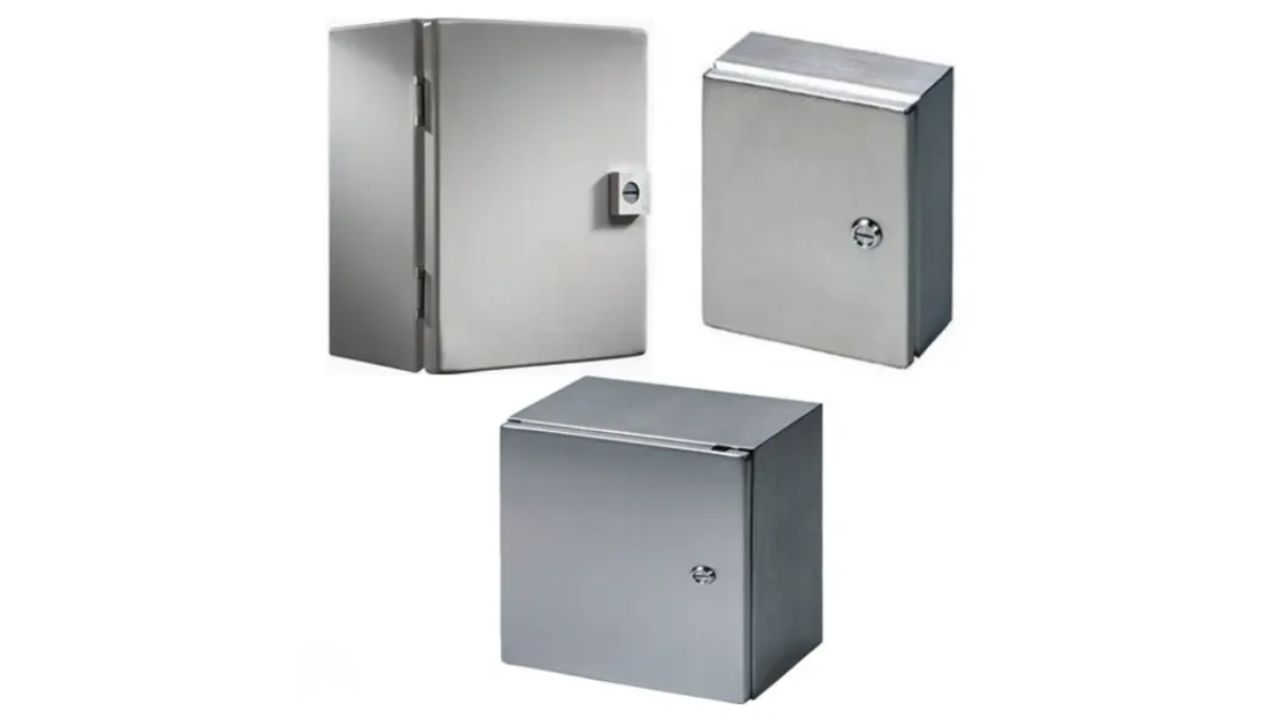
Lingkungan Instalasi
Mengevaluasi lingkungan instalasi Anda adalah langkah pertama dalam membuat pilihan. Kotak pelindung baja tahan karat 304 lebih cocok untuk instalasi di dalam ruangan atau lingkungan luar ruangan yang ringan, seperti peralatan manufaktur atau ruang kontrol, di mana garam dan bahan kimia terbatas. Anda dapat menggunakan kotak pelindung baja tahan karat 316 di lingkungan dengan kandungan klorida dan bahan kimia tinggi, seperti di tepi pantai, di pabrik kimia, dan di peralatan pengolahan limbah.
Pertimbangan Anggaran
Jika Anda memiliki anggaran terbatas dan lingkungan instalasi yang sederhana, kotak baja tahan karat 304 memberikan kinerja yang baik dan efektivitas biaya yang tinggi. Namun, biaya kotak baja tahan karat 316 biasanya 20-30% lebih tinggi daripada kotak baja tahan karat 304.
Persyaratan Industri
Dalam industri pengolahan makanan dan manufaktur umum, penutup baja tahan karat 304 umumnya dipilih. Namun, industri kelautan, farmasi, dan pengolahan kimia memiliki persyaratan yang lebih tinggi untuk ketahanan korosi. Penutup baja tahan karat 316 memberikan ketahanan yang lebih baik terhadap garam, asam, dan bahan kimia pembersih korosif. Anda juga dapat memeriksa apakah ada persyaratan material khusus dalam standar industri Anda.
Biaya Pemeliharaan
Jika Anda menggunakan kotak baja tahan karat 304 di lingkungan korosif, Anda perlu membersihkan dan memeriksanya lebih sering untuk mencegah karat dan penyok pada permukaannya. Namun, kotak baja tahan karat 316 membutuhkan perawatan yang lebih sedikit, dan dapat lebih efektif menahan korosi serta melindungi permukaan kotak untuk jangka waktu yang lebih lama. Di lingkungan yang keras, kotak baja tahan karat 316 dapat mengurangi kebutuhan perawatan dan biaya siklus hidup.
Tanya Jawab Umum
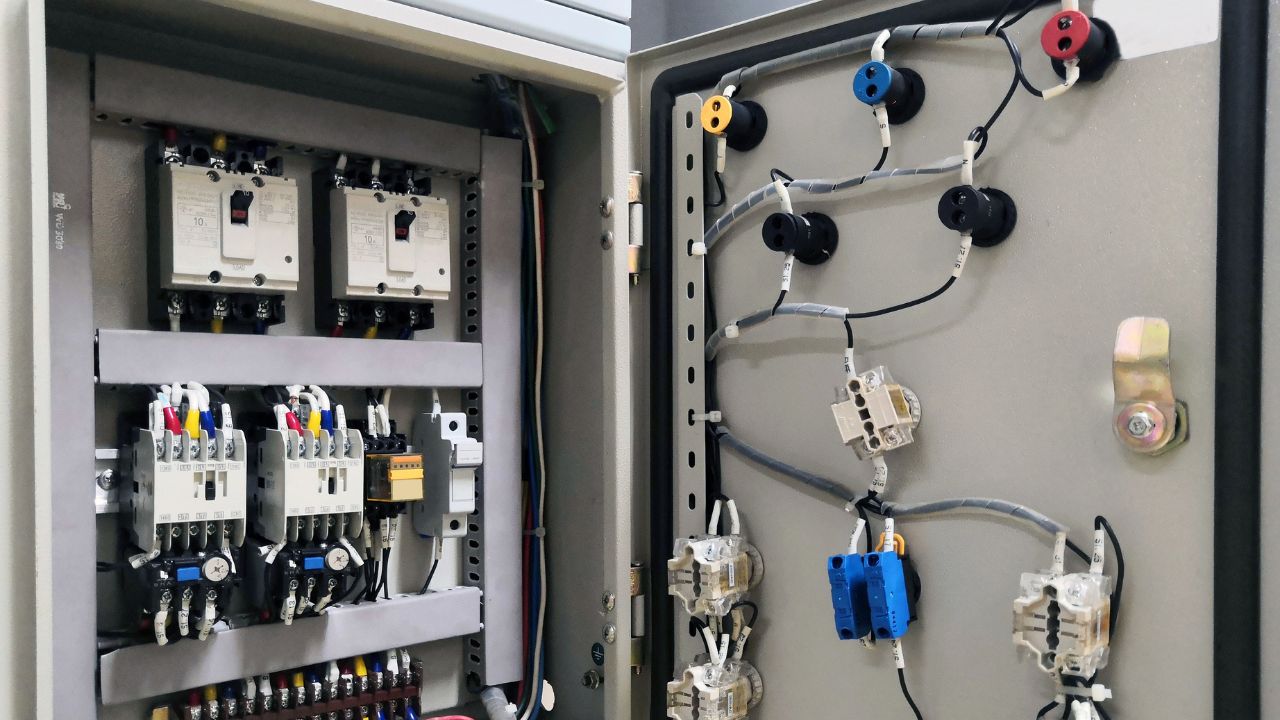
Bagaimana Cara Membedakan Secara Visual Antara Casing Baja Tahan Karat 304 dan 316?
Kotak pelindung dari baja tahan karat 304 dan 316 tidak dapat dibedakan secara visual. Semuanya memiliki lapisan metalik abu-abu perak dan proses pelapisan yang sama. Anda perlu mengandalkan lembar spesifikasi material atau uji kimia untuk melakukan pengujian. Misalnya, larutan uji molibdenum berubah warna ketika bersentuhan dengan baja tahan karat 316, sedangkan 304 tidak.
Apakah Kotak Pelindung dari Baja Tahan Karat Lebih Baik daripada Kotak Pelindung dari Baja Karbon?
Tidak sepenuhnya. Kotak baja tahan karat ideal untuk penggunaan luar ruangan jangka panjang, lingkungan lembap, serta persyaratan estetika dan perawatan rendah. Jika dipasang di lingkungan dalam ruangan yang kering, dengan anggaran terbatas atau membutuhkan kekuatan struktural yang tinggi, kotak baja karbon akan memiliki lebih banyak keunggulan.
Standar apa yang harus dipatuhi oleh kotak listrik berbahan baja tahan karat?
Casing baja tahan karat harus memenuhi berbagai standar industri, termasuk: Peringkat NEMA, peringkat IP, sertifikasi UL, dan standar IEC. Dengan mematuhi standar-standar ini, kotak listrik stainless steel dapat dipastikan memberikan perlindungan yang andal untuk komponen listrik di lingkungan industri.
Apakah Kotak Pelindung Listrik dari Baja Tahan Karat Cocok untuk Instalasi di Luar Ruangan?
Ya. Casing baja tahan karat adalah pilihan yang sangat baik untuk Anda. peralatan listrik luar ruangan. Secara umum di lingkungan luar ruangan, baja tahan karat 304 dan 316 dapat memberikan perlindungan yang efektif. Namun, di daerah pesisir atau kawasan industri berat, Anda harus memilih penutup baja tahan karat 316. Jika digunakan di lingkungan yang terendam air laut atau lingkungan asam-basa kuat, Anda dapat memilih baja tahan karat dengan kualitas yang lebih tinggi.
Kesimpulan Akhir
KDM, sebagai produsen kotak listrik profesional, dapat menyediakan berbagai kotak baja tahan karat untuk Anda. Kotak kami juga memenuhi standar NEMA dan IP, memberikan perlindungan yang lebih baik untuk komponen elektronik Anda. Jika Anda memiliki kebutuhan kustomisasi, kami juga dapat menyediakan solusi produksi kustom yang komprehensif. Hubungi kami Sekarang!
 Indonesian
  English
  Arabic
  French
  Spanish
  Russian
  Japanese
  Korean
  Portuguese
  Chinese