


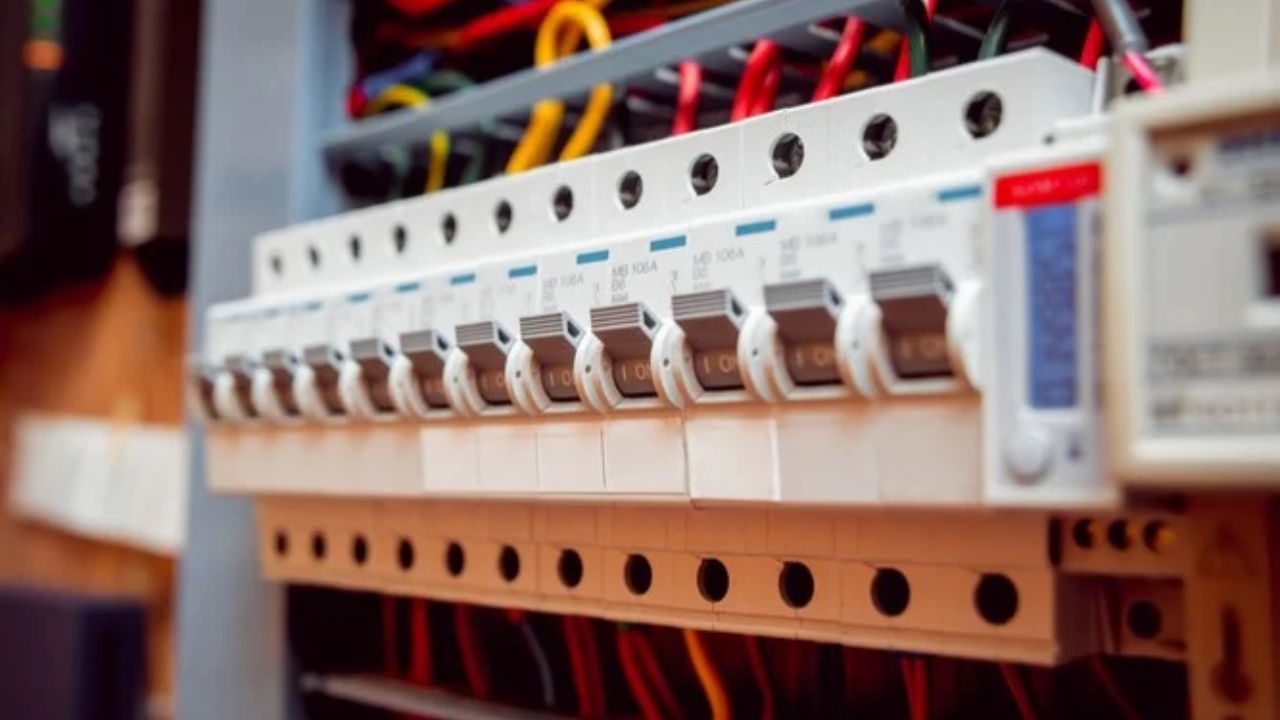
Pemutus sirkuit sangat penting dalam mencegah kelebihan beban, korsleting, dan gangguan pentanahan, di antara masalah lainnya. Artikel ini membahas prinsip kerja pemutus sirkuit dan membantu Anda memahami mengapa alat ini sangat penting untuk menjaga pengoperasian yang andal dan keselamatan listrik di lingkungan komersial atau industri Anda.
Pemutus Sirkuit
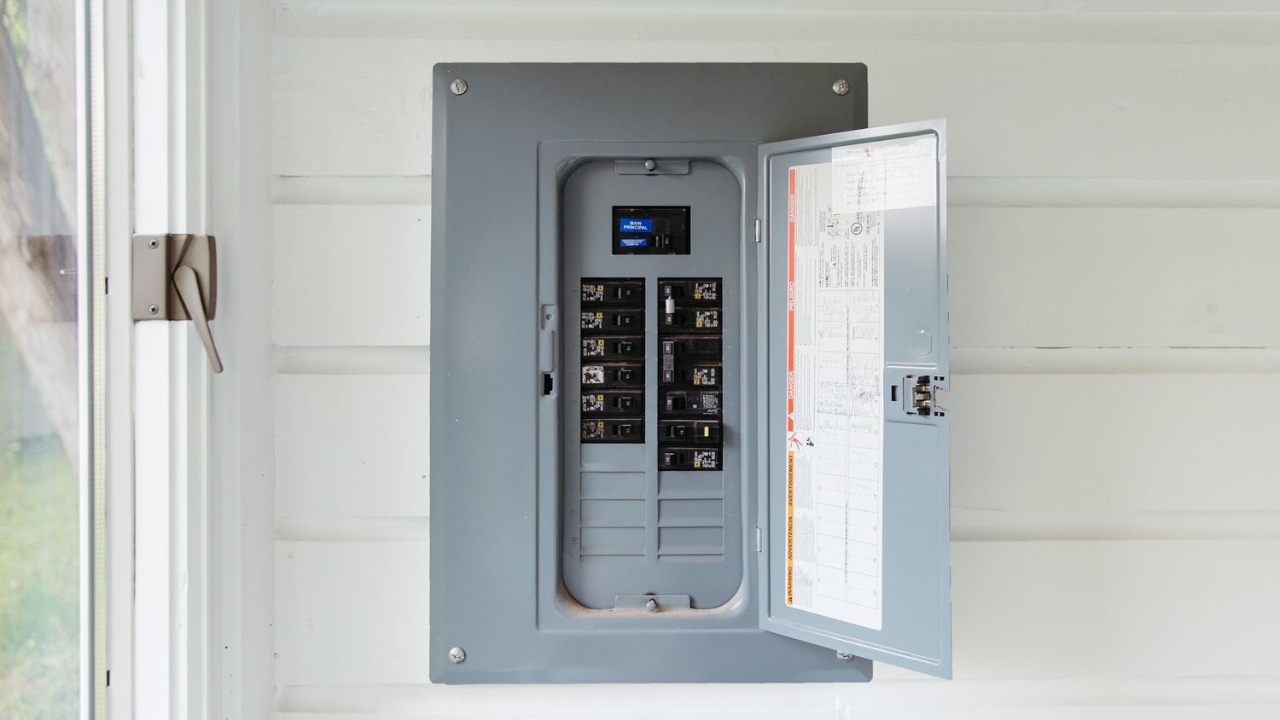
Fungsi utama dari sebuah pemutus sirkuit Fungsinya adalah untuk melindungi sistem dan peralatan listrik Anda dari kerusakan yang disebabkan oleh arus tinggi, serta untuk mencegah kebakaran, sengatan listrik, dan bahaya lainnya. Tidak seperti sekering, pemutus sirkuit dapat diatur ulang dan digunakan berulang kali.
Secara keseluruhan, dalam sistem kelistrikan, pemutus sirkuit dapat melindungi peralatan, mengurangi risiko kebakaran, meningkatkan keselamatan dan keandalan sistem, serta memungkinkan pemulihan sirkuit yang cepat.
Prinsip Kerja Pemutus Sirkuit
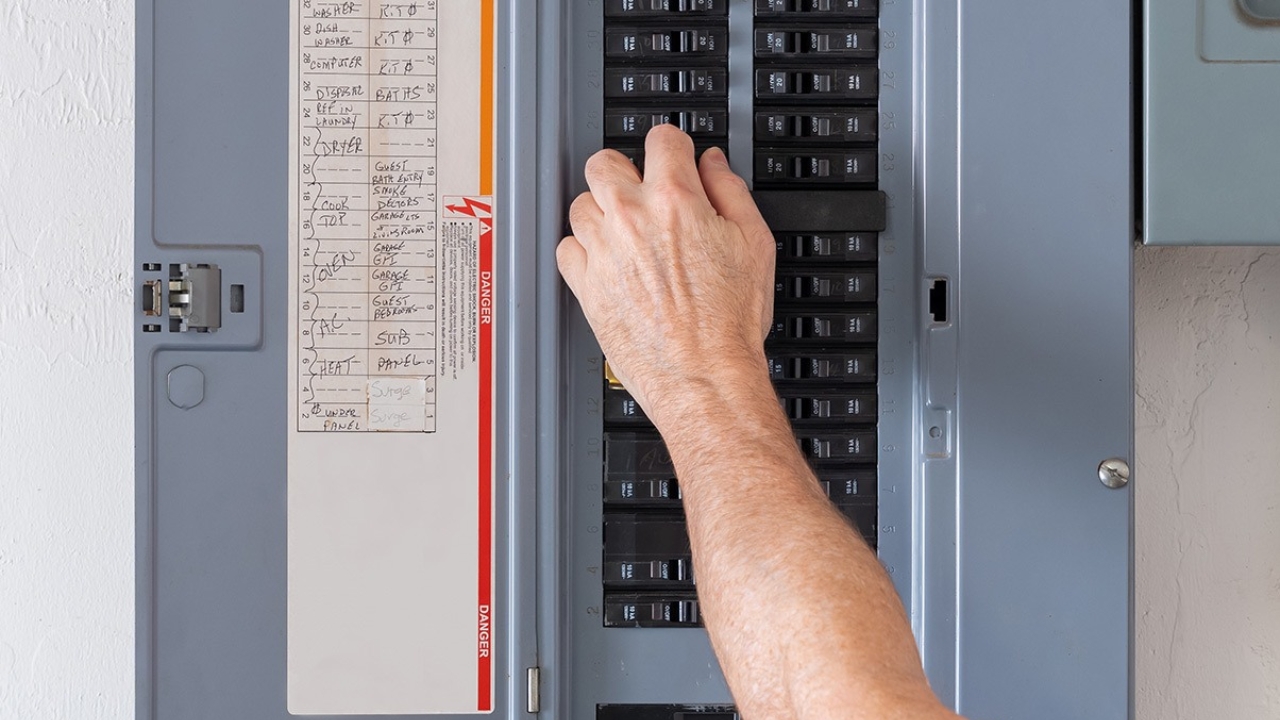
Operasi Normal
Dalam kondisi operasi normal, pemutus sirkuit tetap dalam posisi ON dan arus mengalir melalui sirkuit. Kontak di dalam pemutus sirkuit tetap tertutup; artinya, sirkuit tidak terputus.
Arus mengalir dari catu daya melalui rangkaian dan akhirnya ke beban tanpa masalah. Dalam kondisi normal ini, pemutus sirkuit bertindak sebagai konduktor biasa dan tidak menyebabkan hambatan pada arus.
Deteksi Kesalahan
Fungsi utama pemutus sirkuit adalah untuk mendeteksi kerusakan. Pemutus sirkuit digunakan untuk mendeteksi kondisi-kondisi berikut:
Kelebihan muatan: ketika arus melebihi kapasitas nominal rangkaian, hal ini dapat disebabkan oleh penggunaan terlalu banyak perangkat secara bersamaan.
KorsletingLonjakan arus terjadi ketika kawat bermuatan bersentuhan dengan kawat netral atau kabel ground.
Gangguan Tanah: Ketika arus mengalir melalui jalur yang tidak terduga, seperti ketika kawat bermuatan menyentuh tanah.
Deteksi kerusakan dilakukan melalui mekanisme trip di dalam pemutus sirkuit Anda. Tergantung pada desain pemutus sirkuit Anda, ada berbagai jenis unit trip:
Mekanisme pemutus termalJenis pemutus sirkuit ini menggunakan strip bimetal, yang digunakan untuk memutus arus yang cukup tinggi dengan durasi lebih lama. Strip ini akan bengkok ketika arus memanas. Mekanisme pelepasan diaktifkan ketika strip bimetal bengkok hingga batas yang telah ditentukan.
Mekanisme pemicu magnetik: Komponen utamanya terdiri dari solenoida (elektromagnet). Ketika terjadi arus berlebih, arus yang berlebihan akan meningkatkan gaya magnet elektromagnet. Jika arus melebihi ambang batas tertentu, magnet akan menarik tuas atau pendorong, yang akhirnya akan memutus aliran listrik.
Mekanisme trip elektronikSistem ini terutama menggunakan sensor dan mikroprosesor untuk mengukur tingkat arus secara tepat dan membandingkannya dengan ambang batas yang telah ditetapkan. Anda dapat menyesuaikan sistem ini untuk memenuhi kebutuhan perlindungan tingkat lanjut dan menerapkan fungsi seperti penundaan waktu atau selektivitas.
Aktivasi Mekanisme Perjalanan
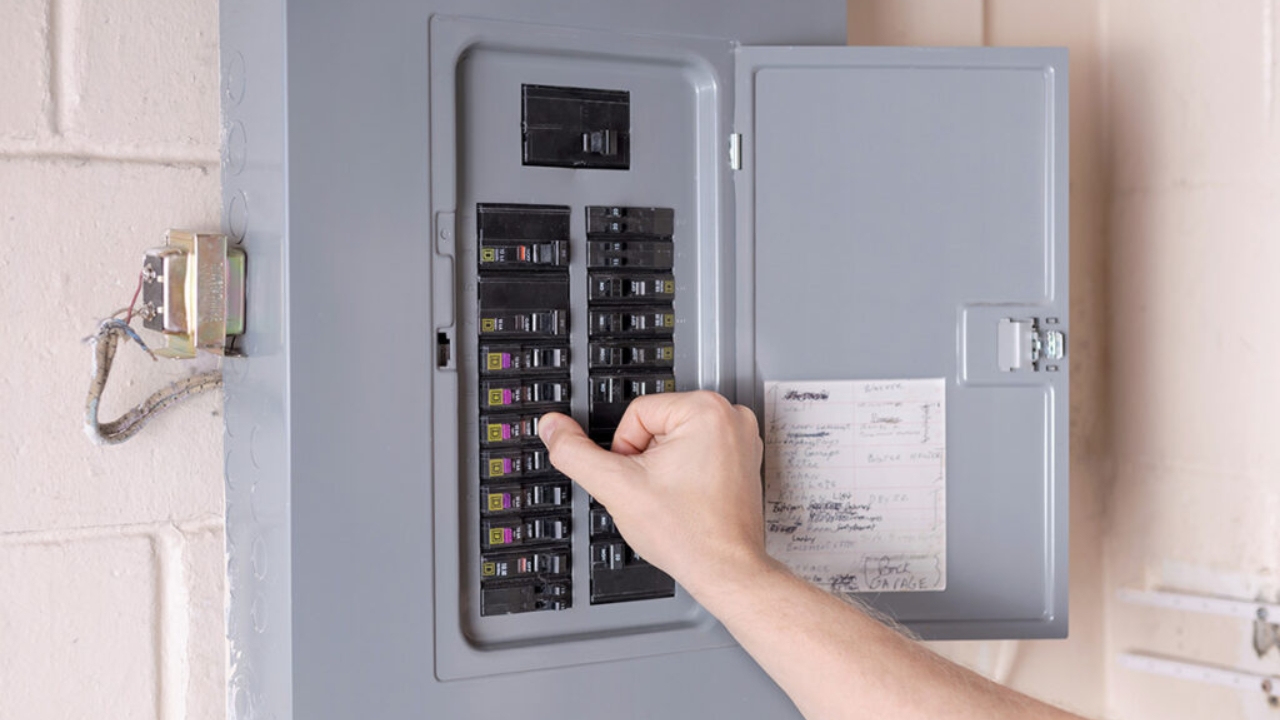
Mekanisme pemutus otomatis akan aktif begitu pemutus sirkuit mendeteksi kondisi gangguan, seperti beban berlebih, korsleting, atau gangguan pentanahan. Kemudian, setelah mencapai kondisi gangguan, mekanisme pengoperasian akan dipicu, dan sirkuit akan segera diputus dengan memisahkan kontak.
Jika sirkuit Anda kelebihan beban, unit pemutus termal atau elektronik akan menunda pemutusan dan memungkinkan sirkuit untuk kelebihan beban sementara. Ini menghindari lonjakan singkat yang disebabkan oleh peralatan besar atau start-up motor dan waktu henti yang tidak perlu. Kelebihan beban yang lama dapat menyebabkan pemutus sirkuit mati.
Jika terjadi korsleting, unit pemutus magnetik akan segera merespons. Biasanya, pemutus sirkuit elektromagnetik juga dilengkapi dengan pegas di dalamnya. Ketika gaya magnet menggerakkan tuas, tegangan pegas akan segera dilepaskan. Kontak terpisah yang dilengkapi pegas beroperasi tanpa penundaan, yang dapat membantu mencegah kerusakan fatal.
Formasi Busur
Ketika kontak-kontak pemutus sirkuit mulai terpisah, busur listrik akan terbentuk antara kontak yang bergerak dan kontak yang tetap. Apa penyebabnya? Hal ini karena arus listrik mencari jalan untuk terus mengalir. Meskipun kontak-kontak tersebut terpisah, arus listrik masih dapat melewati celah dan membentuk busur listrik.
Perlu Anda perhatikan bahwa suhu busur listrik dapat mencapai ribuan derajat Celcius. Jika tidak dikendalikan dengan benar, busur listrik ini dapat merusak pemutus sirkuit, menimbulkan bahaya kebakaran, atau merusak komponen di sekitarnya.
Kepunahan Busur
Jika Anda menginginkan kontrol busur api yang baik, Anda dapat memilih pemutus sirkuit dengan sistem pemadam busur api. Ini membantu Anda mengontrol dan memadamkan busur api dengan aman. Metode kontrol dan pemadaman yang digunakan terutama bergantung pada jenis pemutus sirkuit yang Anda gunakan.
Pemutus sirkuit udara memadamkan busur api terutama dengan meniupkan udara ketika kontak terpisah. Tekanan udara mendinginkan busur api, menurunkan suhunya, dan menghentikan arus.
Jika Anda menggunakan pemutus sirkuit vakum dalam aplikasi tegangan tinggi, busur api terutama akan padam dalam lingkungan vakum. Dalam lingkungan tanpa gas atau udara, busur api tidak dapat menghantarkan listrik.
Selain itu, pemutus sirkuit sulfur heksafluorida (pemutus sirkuit SF₆) menggunakan gas sulfur heksafluorida untuk memadamkan busur listrik. Aplikasi ini umum digunakan pada aplikasi tegangan tinggi seperti gardu induk. Pemutus sirkuit ini dapat membantu Anda memutus arus dengan aman tanpa merusak komponen di dalam pemutus sirkuit.
Isolasi Sirkuit
Setelah busur api padam, kontak di dalam pemutus sirkuit terbuka sepenuhnya untuk mengisolasi sirkuit secara efektif. Bagian sistem lainnya terus beroperasi, memastikan bahwa hanya bagian sirkuit yang rusak yang terpengaruh. Hal ini mencegah pemadaman listrik yang meluas menyebabkan waktu henti yang berkurang di lingkungan industri atau komersial Anda.
Menyetel Ulang Pemutus Sirkuit
Setelah melakukan pemecahan masalah, Anda dapat mengatur ulang pemutus sirkuit. Sebelum mengatur ulang pemutus sirkuit, Anda perlu mengaktifkan kembali mekanisme trip dan mengembalikan kontak ke posisi tertutup. Pemutus sirkuit yang telah diperbaiki dengan benar dapat beroperasi normal dan membantu Anda melindungi sistem dari dampak kegagalan di masa mendatang.
Tanya Jawab Umum
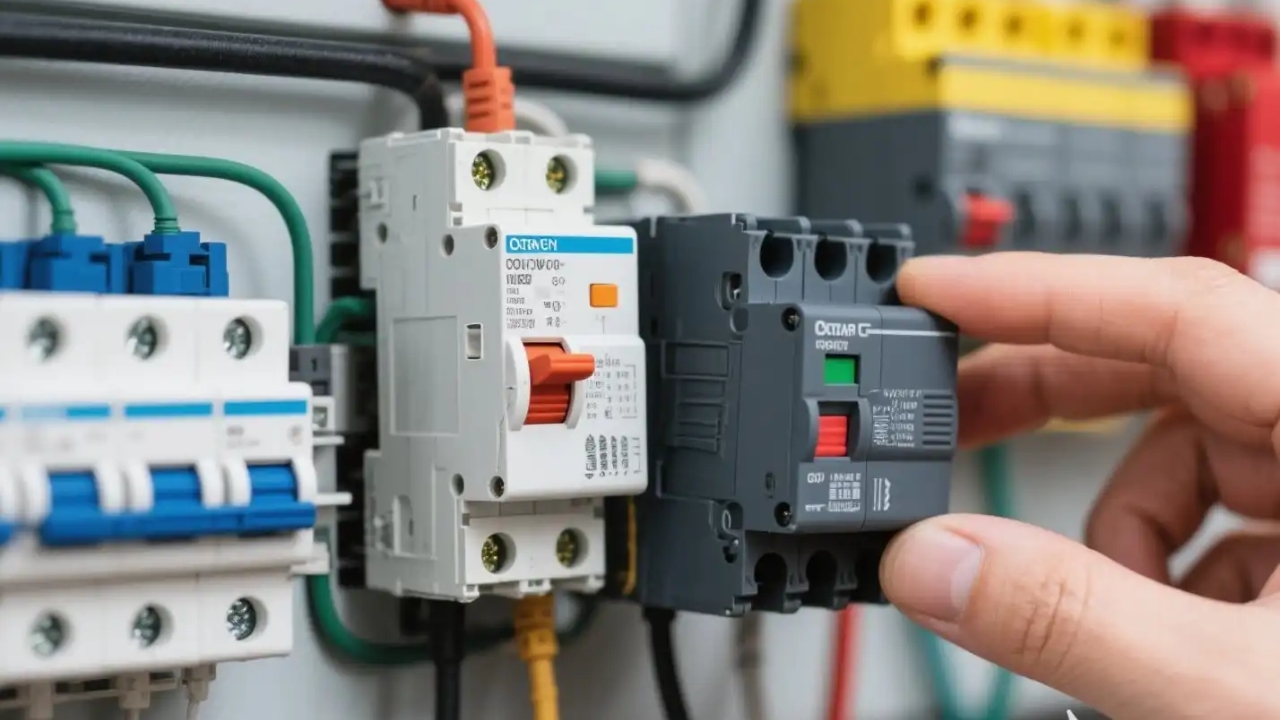
Apakah Pemutus Sirkuit Bisa Gagal Memutus Aliran Listrik?
Ya. Kegagalan pemutus sirkuit dapat disebabkan oleh keausan mekanis, ukuran pemutus sirkuit yang tidak tepat, kegagalan unit pemutus, dan lain sebagainya. Oleh karena itu, Anda perlu secara teratur memeriksa dan menguji pemutus sirkuit untuk menjamin bahwa fungsi perlindungannya tetap utuh.
Apa Perbedaan Antara Pemutus Sirkuit dan Sekering?
Kedua perangkat tersebut digunakan untuk melindungi rangkaian dari arus berlebih, dan perbedaannya terletak pada cara kerjanya. Pemutus sirkuit dapat diatur ulang setelah terjadi trip, sedangkan sekering harus diganti. Pemutus sirkuit memberikan perlindungan dan kemampuan pengalihan yang lebih akurat. Sekering memiliki biaya awal yang rendah tetapi biaya perawatan jangka panjang yang tinggi.
Dalam sistem komersial dan industri, pemutus sirkuit yang andal dan dapat digunakan kembali adalah pilihan terbaik Anda.
Bagaimana Cara Memilih Pemutus Sirkuit yang Tepat untuk Sistem Kelistrikan?
Memilih pemutus sirkuit yang tepat mengharuskan Anda untuk mengevaluasi arus nominal, tegangan nominal, kapasitas pemutusan, karakteristik antarmuka, lingkungan pemasangan, dan banyak parameter lainnya. Dalam aplikasi industri, Anda juga perlu memastikan bahwa pemutus sirkuit tersebut kompatibel dengan peralatan proteksi lainnya.
Berapa Lama Biasanya Pemutus Sirkuit Bertahan?
Pemutus sirkuit biasanya memiliki masa pakai 20 hingga 40 tahun, tetapi ini sebagian besar bergantung pada faktor-faktor seperti jenis, kondisi lingkungan, dan perawatan. Misalnya, MCB dan MCCB dapat digunakan selama 20 hingga 30 tahun dengan perawatan yang tepat. Pemutus sirkuit untuk tegangan tinggi, seperti VCB dan pemutus sirkuit SF₆, dapat bertahan selama 30 hingga 40 tahun.
Apa saja jenis-jenis pemutus sirkuit utama yang digunakan dalam sistem industri?
MCCB terutama digunakan untuk perlindungan arus menengah pada peralatan industri, mesin, dan panel distribusi, menyediakan pengaturan perlindungan beban berlebih dan korsleting yang dapat disesuaikan. ACB digunakan dalam sistem tegangan menengah, untuk pabrik industri dan sistem distribusi, dengan kapasitas pemutusan yang tinggi.
Selain itu, terdapat VCB yang diaplikasikan pada gardu induk industri dan jaringan listrik, serta pemutus sirkuit SF₆ untuk sistem transmisi tegangan tinggi. Anda dapat memilih berdasarkan tegangan, peringkat arus, dan persyaratan perlindungan spesifik dari sistem industri.
Seberapa Cepat Pemutus Sirkuit Merespons Korsleting?
Waktu responsnya seringkali berkaitan dengan jenis pemutus sirkuit, tingkat keparahan gangguan, dan mekanisme deteksi gangguan. Biasanya, pemutus sirkuit dengan mekanisme trip elektromagnetik (MCCB) memiliki waktu reaksi terhadap korsleting dalam rentang 1-3 milidetik.
Pemutus sirkuit (ACB) untuk unit mekanisme trip termomagnetik menggabungkan perlindungan termal (untuk beban berlebih) dan perlindungan magnetik (untuk korsleting). Ia bereaksi lambat terhadap beban berlebih tetapi sangat cepat terhadap korsleting (dalam 1-5 milidetik).
Pemutus sirkuit (VCB) yang dilengkapi dengan unit trip elektronik dilengkapi dengan mikroprosesor yang merespons korsleting dalam waktu kurang dari satu milidetik.
Kesimpulan Akhir
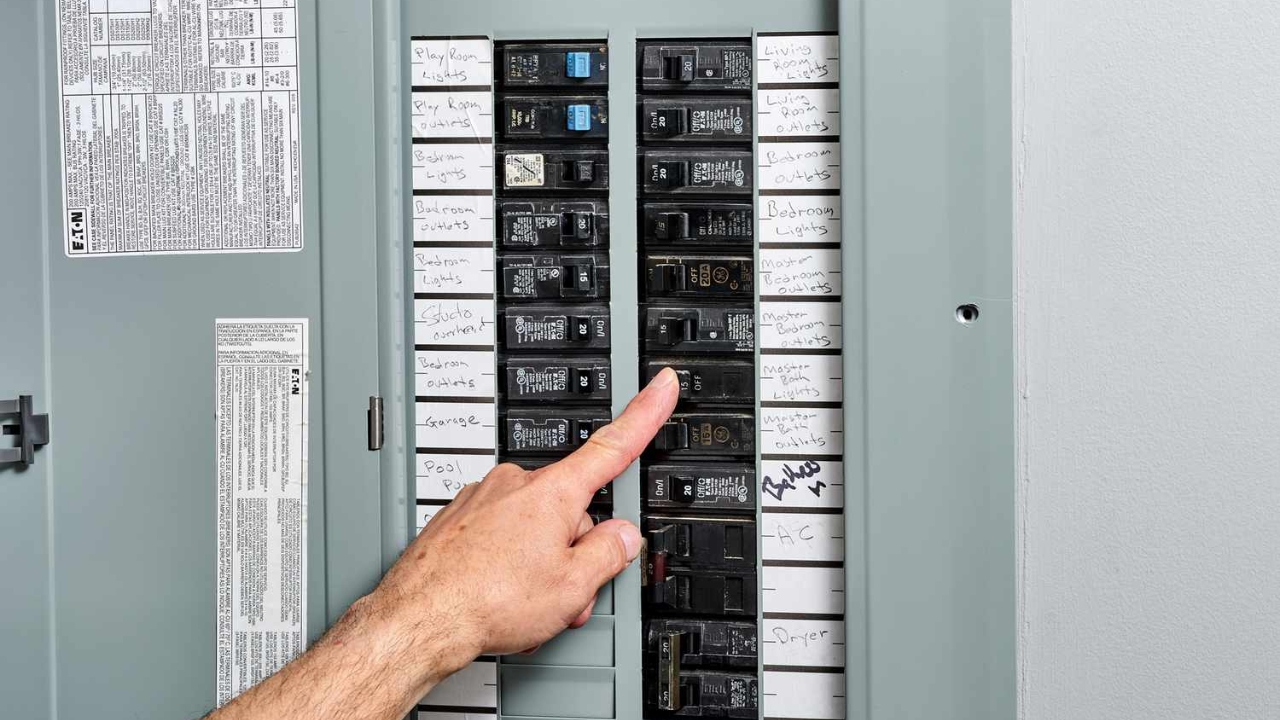
Sebagai produsen profesional kotak listrik, KDM Kami dapat menyediakan berbagai jenis kotak pemutus sirkuit sesuai dengan aplikasi Anda. Tergantung pada kebutuhan spesifik Anda, kami juga menyediakan layanan produksi khusus satu atap. Kami akan segera menanggapi kebutuhan Anda dan menyediakan sampel. Hubungi kami untuk mendapatkan solusi khusus Anda.
 Indonesian
  English
  Arabic
  French
  Spanish
  Russian
  Japanese
  Korean
  Portuguese
  Chinese