


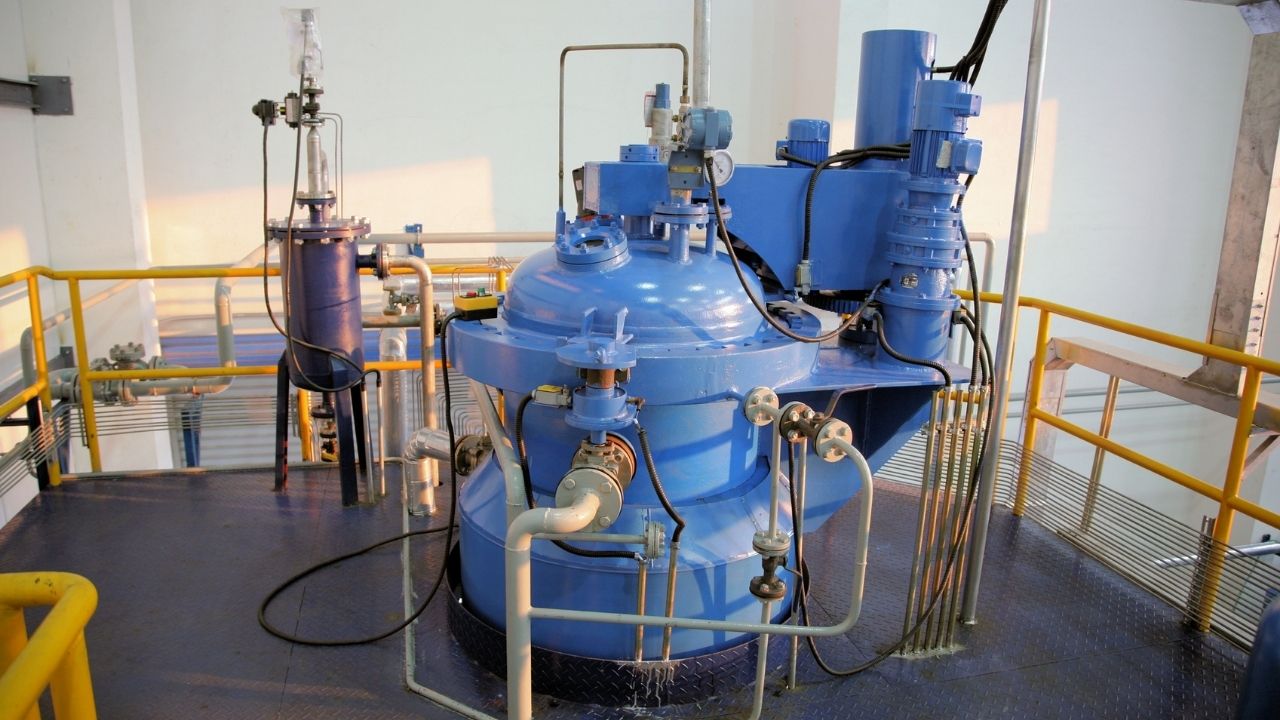
Chemical reactors are pillars of industrial, chemical and pharmaceutical production. They offer confined conditions in which temperature and pressure, mixing intensity and reaction time are strictly controlled. To process engineers, procurement managers and plant leaders, an appropriate choice of reactor will be a strategic move. This guide will help you to make informed decisions by identifying the most important technical, operational and commercial aspects.
What Is a Chemical Reactor?
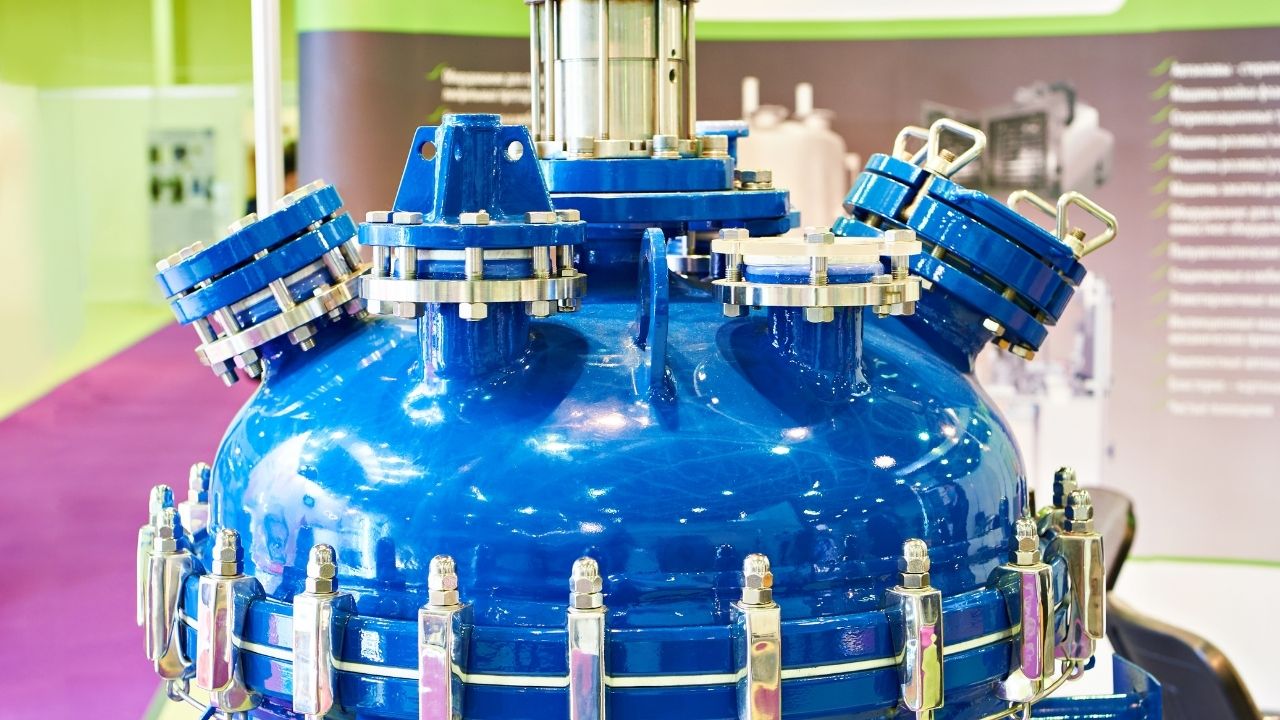
أ chemical reactor is a closed vessel that can be used in a controlled chemical reaction under given temperature and pressure. It allows the transfer of mass of heat and mixing to provide preferred conversion and selectivity. These reactors are developed according to the standards of safety and quality of the product (kinetics throughput).
Working of Chemical Reactors
-
Overview of the Process
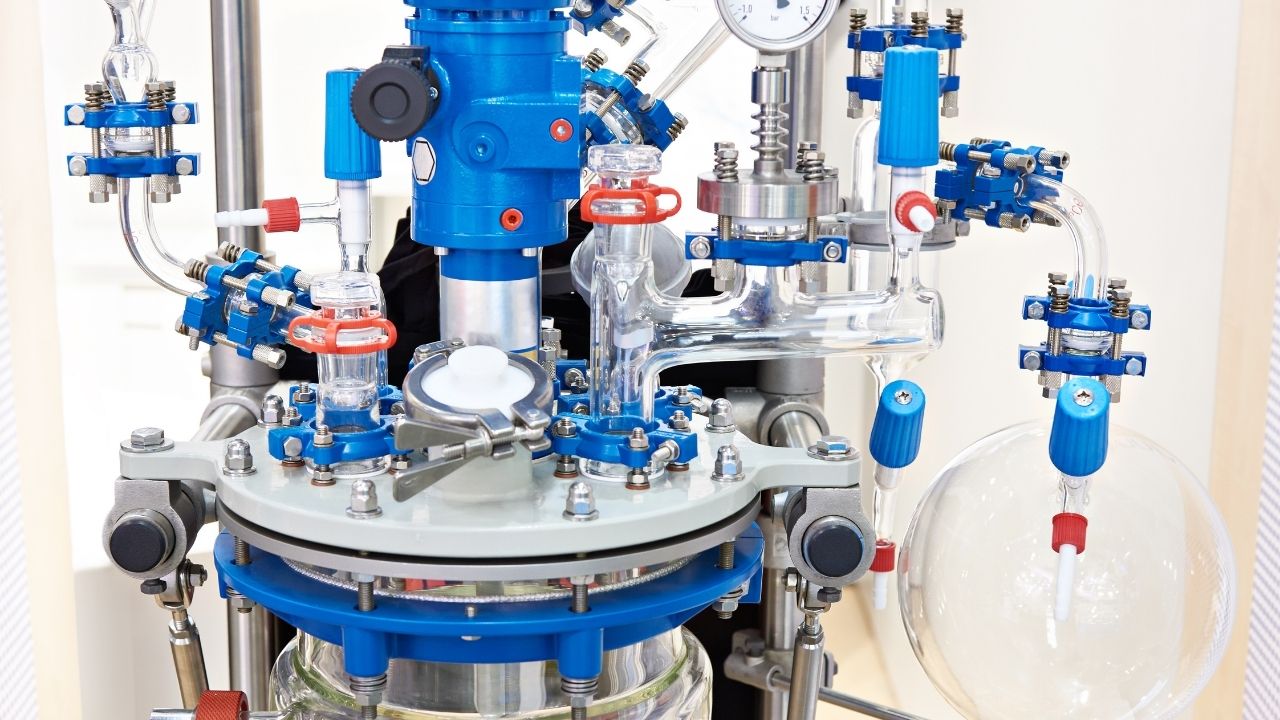
In a chemical reactor, the reactants are introduced under a controlled flow rate into a pressure vessel. The temperature, pressure, and concentration limits are defined in reaction kinetics. The engineers determine the mass and energy balances in order to predict the conversion selectivity and yield. The residence time is a determinant of the degree of reaction and distribution of the products.
-
Control Systems
Programmable logic control systems are used to manage the temperature, pressure and feed flow rate. Closed-loop control determines sensor data against set points. Process variables are manipulated immediately by automated control valves. Third-generation systems use model-based algorithms in order to ensure stability under different loading conditions.
-
Agitation And Heat Transfer
Mechanical agitators will help you create a uniform concentration and enhance the phase contact. Mass transfer efficiency and shear rate are dependent on impeller type. Baffles avoid the creation of vortices and dead zones. Coils or heat jackets are used to control reaction enthalpy and stabilize thermal profiles. External exchangers are used to control reaction enthalpy and stabilize thermal profiles.
-
Role of Instrumentation in Safety and Performance
Temperature, pressure level and composition in the reactor are continuously measured with sensors. Pressure relievers are used to prevent cases of overpressure. Online detectors determine the progress of a reaction and the quality of the product. Performance validation and regulatory compliance requirements are supported by data logging systems.
Key Types of Chemical Reactors
By Operation Mode
· Batch Reactors
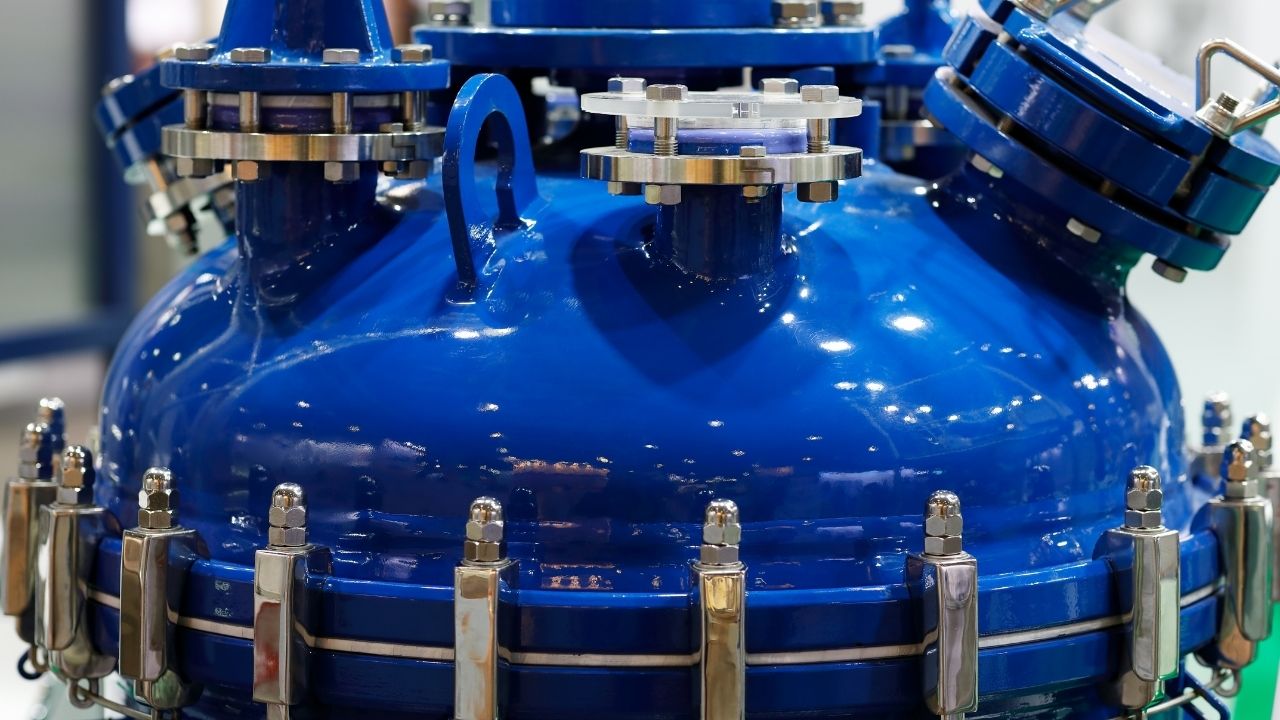
The batch reactors are used to work with discrete volumes of charges with time control. The reaction progression is dependent on profiles of temperature, pressure, and mixing. The engineers optimize the agitation, cooling and heating schedules. Perfect for multiphase reaction and high-value specialty chemical manufacturing.
· Continuous Stirred Tank Reactors (CSTRs)
CSTRs are in constant feed and agitation. Output is supplied by steady-state mass and energy balances. The distribution of residence time is small. Applicable to liquid phase homogeneous reactions and catalytic slurry systems where the high efficiency of heat transfer is needed.
· Plug Flow Reactors (PFRs)
PFRs can be axially mixed and poorly mixed back. The conversion of reactants increases as the reactor length increases. Differentiation balances are in effect. Tubular PFRs have high throughput and effective heat removal. Usually used in gas phase production and in large-scale petrochemicals.
· Semi-Batch Reactors
Semi-batch reactors are reactors in which feed is added by continuous injection and batch operation over time. Selectivity is enhanced by a controlled addition of reactants. Engineers use profiling of feeds to control heat discharge and the concentration of the middle.
Specialized Reactor Types
· Catalytic Reactors
Solid catalysts are incorporated into the catalytic reactors to increase the rate of reaction. Activity is controlled by surface adsorption and desorption kinetics. Catalyst exposure to the fluidized and fixed-bed system is maximized. Design and operational strategy are affected by catalyst deactivation and catalyst regeneration cycles.
· Trickle-Bed Reactors
Trickle-bed reactors are reactors that feed liquid reactants over a fixed catalyst bed concurrently with gas. Performance is determined by film mass transfer and wetting efficiency. Conversion of Hydrodynamics and pressure drop control. Commonly applicable in multiphase gas-liquid catalytic and hydroprocessing.
· Membrane Reactors
Membrane reactors combine selective membranes in order to eliminate the products or provide reactants. Reaction and separation are coupled to improve the conversion of the equilibrium. Performance is determined by transport phenomena and membrane selectivity. It can be applied to hydrogen separation and dehydrogenation.
| Reactor Type | وضع التشغيل | Mixing Behavior | Best For |
| Batch | Time-based fixed volume | Full mixing | Small-scale specialty production |
| CSTR | Continuous feed and discharge | Complete mixing | Liquid phase steady production |
| PFR | Continuous axial flow | No backmixing | Gas phase high conversion |
| Semi-Batch | Batch with controlled feed | Controlled mixing | Exothermic selective reactions |
| Catalytic | Uses a solid catalyst | Surface reaction controlled | Refining and synthesis processes |
| Trickle-Bed | Gas-liquid over a catalyst bed | Partial wetting flow | Hydroprocessing multiphase reactions |
| Membrane | Reaction with separation | Selective transport control | Equilibrium-limited reactions |
Key Features & Specifications to Consider
· Material of Construction
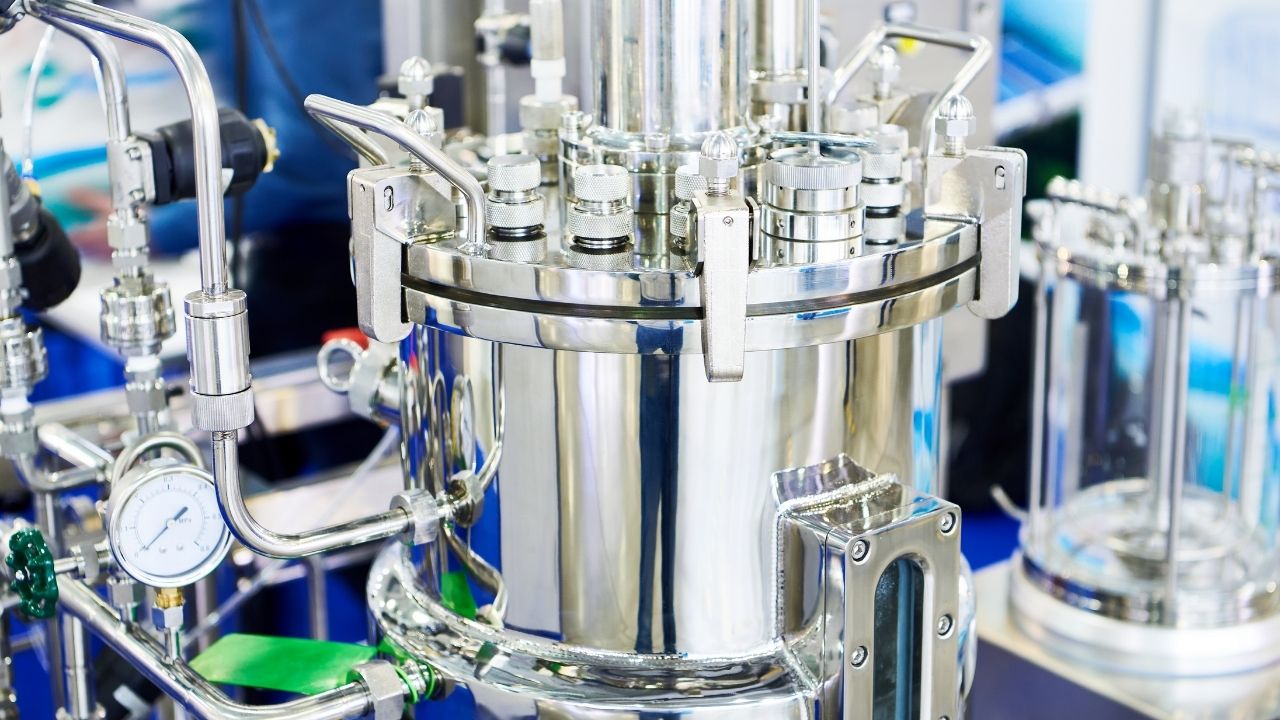
Choose materials, depending on data on the intentions of corrosion, compatibility with solvents, chloride limits and catalyst sensitivity. Check allowable stresses of ASME under design temperature and pressure. Take into consideration alloy upgrades and or cladding or protective coatings where necessary. There is an initial compatibility test that minimizes the risk of failure in the long term.
· Reactor Capacity & Scale
Establish working volume in terms of kinetics, throughput, and admissible fill fraction. Determine batch cycle time, turndown range and vapor space requirements. During scaling up, countercheck residence time distribution and mixing energy per unit volume to ensure the consistency of performance.
· Heat Transfer & Temperature Control
Determine the reaction enthalpy versus the heat duty, ramp rates and heat flux limits. Choose jacket coils or exchange area and prove the global coefficients of agitated vessels under the worst case.
· Automation and Reactor Controls
Introduction of PLC-based or DCS control with a PID loop to control temperature, pressure and feed ratios. In the case of batch systems, use ISA-88 structures. Make sure that there are operational alarms, interlocks and audit trails.
· Safety Systems & Regulations
Credible overpressure and runaway size pressure relief systems. Assure ASME vessel codes and standards. Relief system of document disposal and emergency shutdown logic of all the identified risk cases.
· Accessories & Add-Ons
Designate nozzles that include sampling, inerting, CIP, vacuum, and venting. Add baffles, condensers, rupture disks, load cells and online analyzers to improve the process control, safety, and quality of the product.
How to Choose the Right Chemical Reactor
· Match Reactor Type to Process Needs
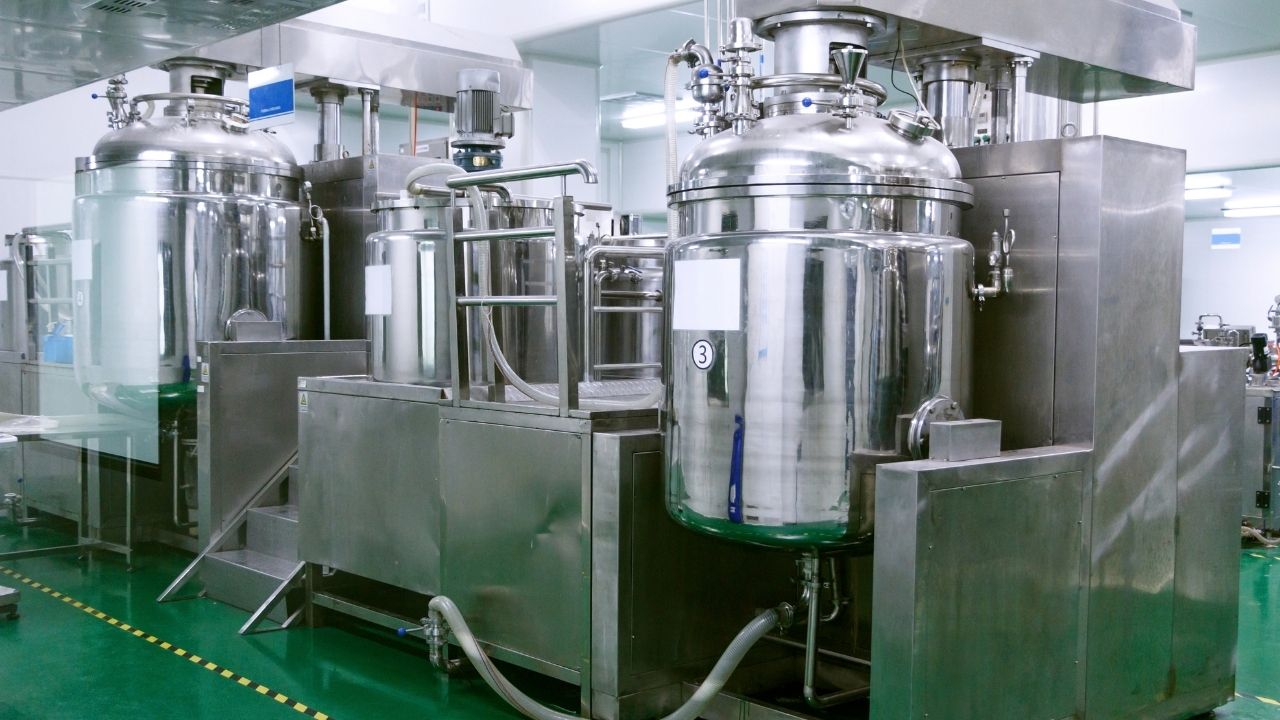
Choose the reactor type, such as the batch, CSTR, PFR, or semi-batch, depending on the kinetics of the reaction, heat release, mass transfer needs and phase behavior. You have to match residence time allocation, mixing regime, and conversion targets to process targets.
· Evaluate Material Compatibility
Evaluate the rate of corrosion, interactions between the solvents, operating temperature, pressure limits, and sensitivity of catalysts. Cross-checks between material performance and design codes to ensure that the seals, gaskets and agitation component parts are compatible to avoid early degradation or contamination.
· Consider Production Scale & Growth Plans
Specify current throughput, batch cycle time, acceptable fill fraction, and debottlenecking/ parallel expansion layout. Make sure it is scalable with steady power-to-volume, heat transfer capacity and scaling residence time at higher capacities.
· Evaluate Budget & Total Cost of Ownership
Comparison of capital expenditure against life cycle costs such as utility, Maintenance, downtime risk, cleaning, and loss of yield. An optimized reactor in terms of technology makes the operation less dependent on variability and the cost in the long term compared to the purchase cost.
· Quality, Warranty, and After-Sales Support
Confirm standards of fabrication, trace of materials, pressures, and documentation of tests and certifications. Assure coverage of warranty, supply of spares, commissioning assistance and reaction to technical service to guarantee perpetual performance and conformity to the regulation.
Industry Applications & Use Cases
· Pharmaceutical Manufacturing
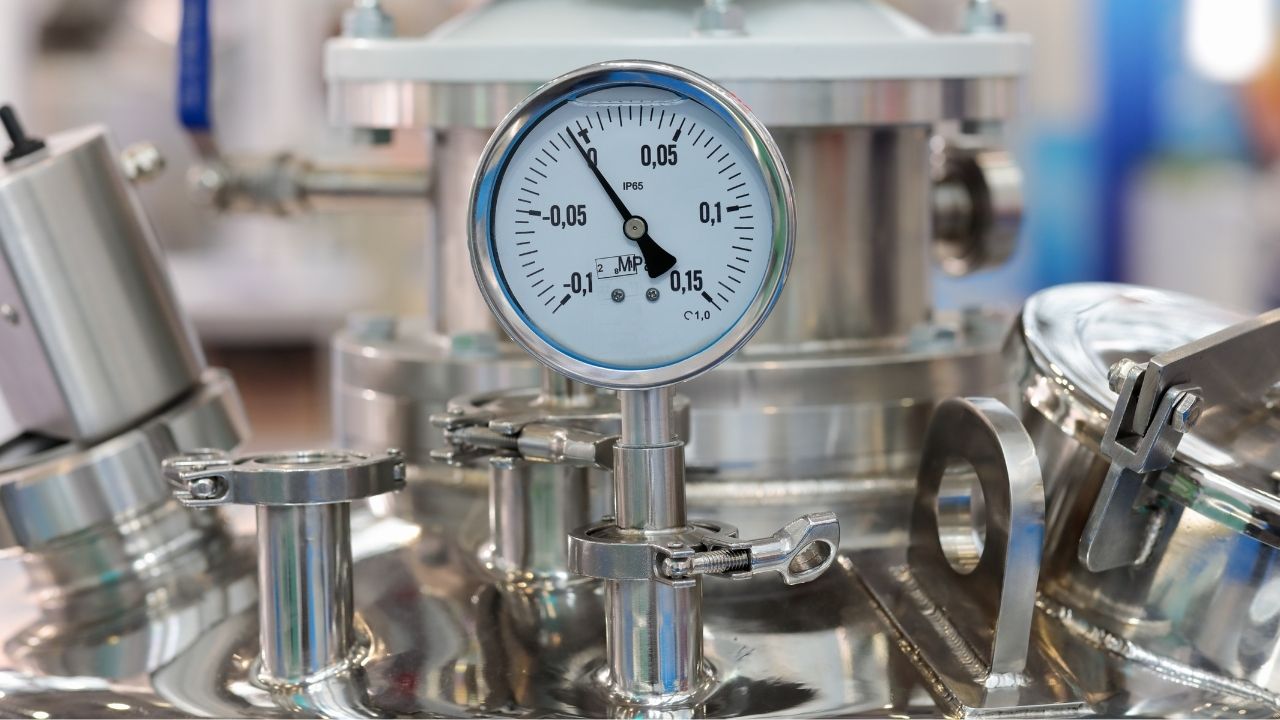
Pharmaceutical reactors operate GMP campaigns on the synthesis and crystallization of API, continuous trains, batch control, residence time, and impurity profiles. PAT tools monitor CQAs over time and will help you in making release decisions.
· Petrochemical Processing
Hydrotreatment and hydrocracking are carried out in a fixed-bed trickle flow reactor in petrochemical units under hydrogen. High heat flux is dealt with in tubular reactors and risers. Pressure drop set and catalyst activity determine run length.
· Food & Beverage Chemistry
Enzymatic fermentation and flavor reactions are done using sanitary reactors and bioreactors in food and beverage plants. 3-A design is conducive to CIP cycles. Shear and oxygen transfer. Agitation is used to safeguard cultures.
· Environmental & Wastewater Treatment
Sequencing batch and membrane bioreactors are types of wastewater systems that are used in biological oxidation and nutrient removal. DO targets are motivated by aeration control. Capacity and effluent quality are controlled by membrane flux and membrane fouling.
الأسئلة الشائعة
· What are common materials used in constructing chemical reactors?
Alloys used as corrosion-resistant include stainless steels, nickel alloys, and Hastelloy reactors. Aggressive chemicals are also resisted by glass-lined steel or fluoropolymer linings. The choice of the material is also determined by the temperature, pressure and chemical compatibility.
· Can reactors operate in series or parallel to improve performance?
نعم. Complex kinetics are enhanced with reactors in series. Parallel trains create throughput redundancy and they also make it easier to maintain them without halting production.
· How do catalysts affect reactor design?
Residence time, pressure drop, heat removal and mass transfer are determined by catalyst properties. Fixed and fluidized catalytic beds have special distribution and regeneration systems.
· What role does mixing play in a reactor’s performance?
Mixing regulates the rate distribution, mass transfer and temperature homogeneity. Bad mixing will result in a concentration gradient and decrease yield.
· Can chemical reactors be used in waste treatment?
نعم. Sequencing batch reactor and continuous reactor enable biological oxidation, elimination of nutrients and biodegradation of the wastes in wastewater systems.
· Are there any chemical reactors not utilized within industry?
نعم. The microreactors and flow reactors are used in the synthesis scale-up studies and pilot trials in labs.
· Can reactors handle multi-phase reactions?
نعم. Multiphase structures are structures designed to provide gas-liquid-solid systems with mass transfer and interfacial contact.
· Is our modern reactor in need of automation?
Yes. Automated control systems ensure that there is constant temperature, constant pressure, constant flow and safety interlocks in some cases.
Customized Chemical Reactors by KDM Steel
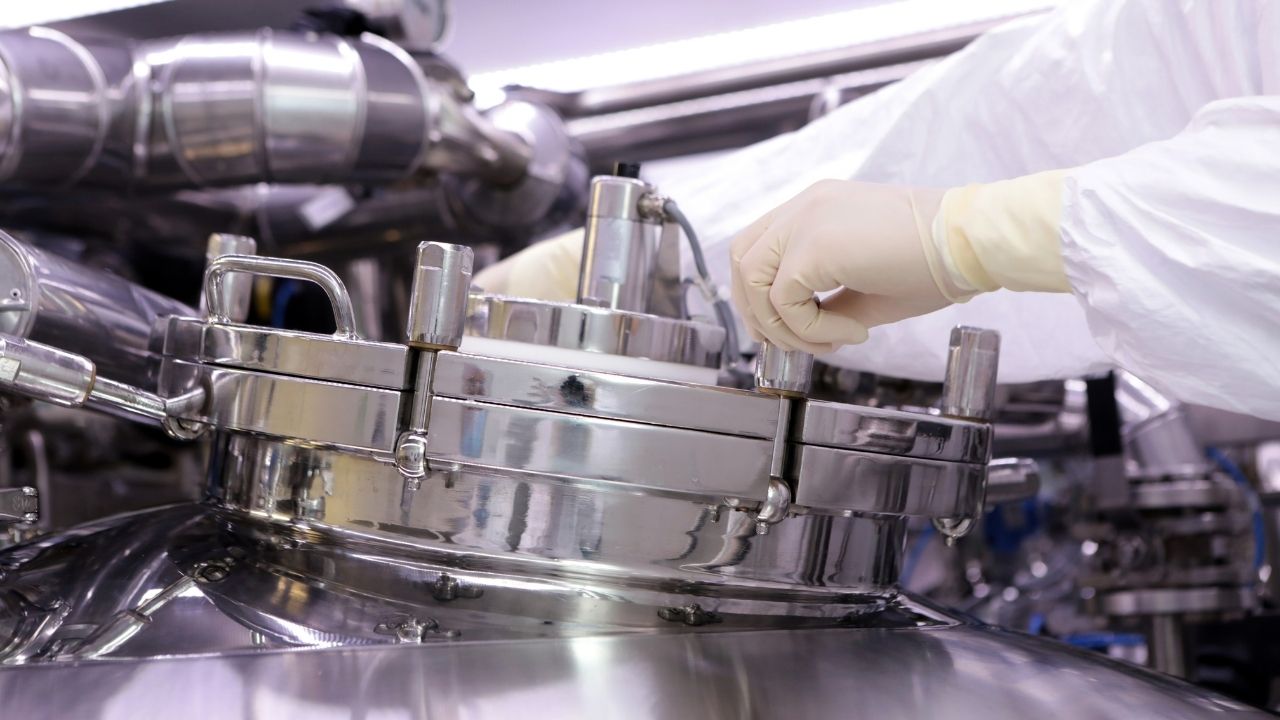
كيه دي إم ستيل designs and fabricates specially tailored chemical reactors for demanding industrial customers. ASME standards are met in our reactors, and they will help you in batch and continuous operations. We optimize your process in terms of heat transfer of materials and automation. You can contact our team and get a high-performance and long-lasting chemical reactor.
 Arabic
  English
  French
  Spanish
  Russian
  Japanese
  Korean
  Portuguese
  Indonesian
  Chinese