


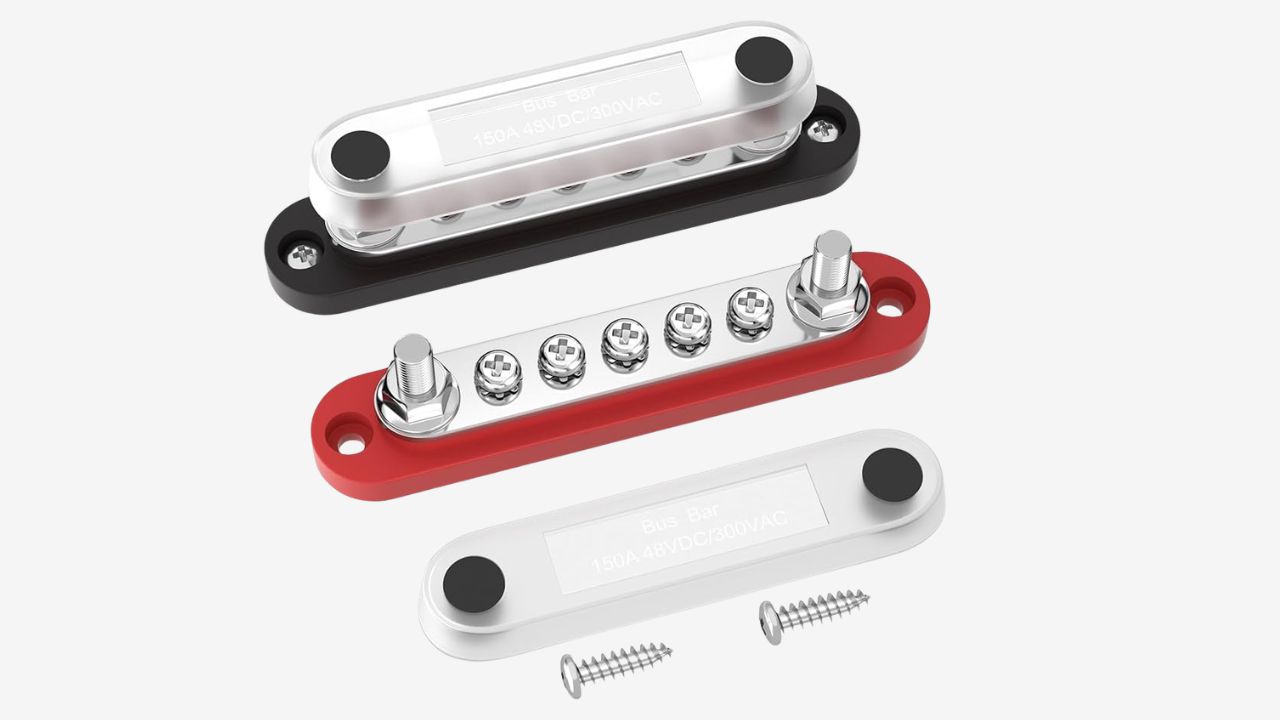
Busbar distribution is a high-performance power distribution method. This article helps electrical engineers and system integrators understand the working principle, main advantages and application scenarios of busbar power distribution, and details the considerations for choosing the appropriate system to help you make the right decision.
What is Busbar Power Distribution?
The busbar power distribution system is a modern power distribution system that uses copper or aluminum busbars to efficiently carry and distribute large currents to facilities or buildings. Power enters the busbar trunking system from the transformer. The power is distributed along the route and then supplies electricity to the equipment. It ultimately creates a compact, high current capacity, modular structure and enclosed power system.
Key Advantages of Busbar Power Distribution
Higher Power Capacity
Busbars are solid conductors with a large cross-sectional area, usually made of copper or aluminum. This design enables it to carry higher currents and reduce resistance. This largely minimizes the voltage drops, improves power delivery efficiency, achieving up to 99% energy efficiency.
This makes it more suitable to support heavy electrical loads and handle high-current applications reliably. Therefore, you can use busbars in data centers, industrial equipment, and large facilities with consistently high power demands.
Improved Energy Efficiency
The conductor geometry and highly conductive material of the busbar can reduce resistance and reduce operation heat, which reduces power losses in the busbar power distribution system and enables more efficient energy transmission. Therefore, it can reduce your operational energy costs.
Compact and Space-Saving Structure
The bus bars are flat and compact. The busbar trunking system is designed as an integrated closed unit. You can replace bundled cables with a single structured assembly. Thus, the installation space required for the busbar power distribution system is smaller than that of traditional systems, and it also eliminates the clutter and disorder of cables. You can maximize available space in commercial buildings and data centers.
Modular and Flexible Design
The busbar trunking systems adopt prefabricated modular design, and the connection joints are standardized. The modular sections and plug-in tap-off points included in the busbar system allow you to install tap-off boxes at any position along the busbar without shutting down the entire system.
Therefore, you can carry out on-site rapid assembly, substantially reducing the installation complexity. Besides, you can more easily expand or reconfigure it, and there is no need for major rewiring.
Enhanced Safety
The busbar is wrapped in a protective insulating housing and the design has fewer exposed connection points. Good insulation reduces short circuits and fault risks, and also prevents the influence of dusty and humid environments on the busbar system. Besides, the busbar material is more fire-resistant, which improves the workplace safety and system reliability.
Lower Maintenance Requirements
Busbar power distribution uses fewer connection points and rigid structures, which reduces the possibility of loose connections or long-term wear. Therefore, a lower failure rate and inspection requirements can reduce your maintenance costs and operational downtime.
Applications of Busbar Power Distribution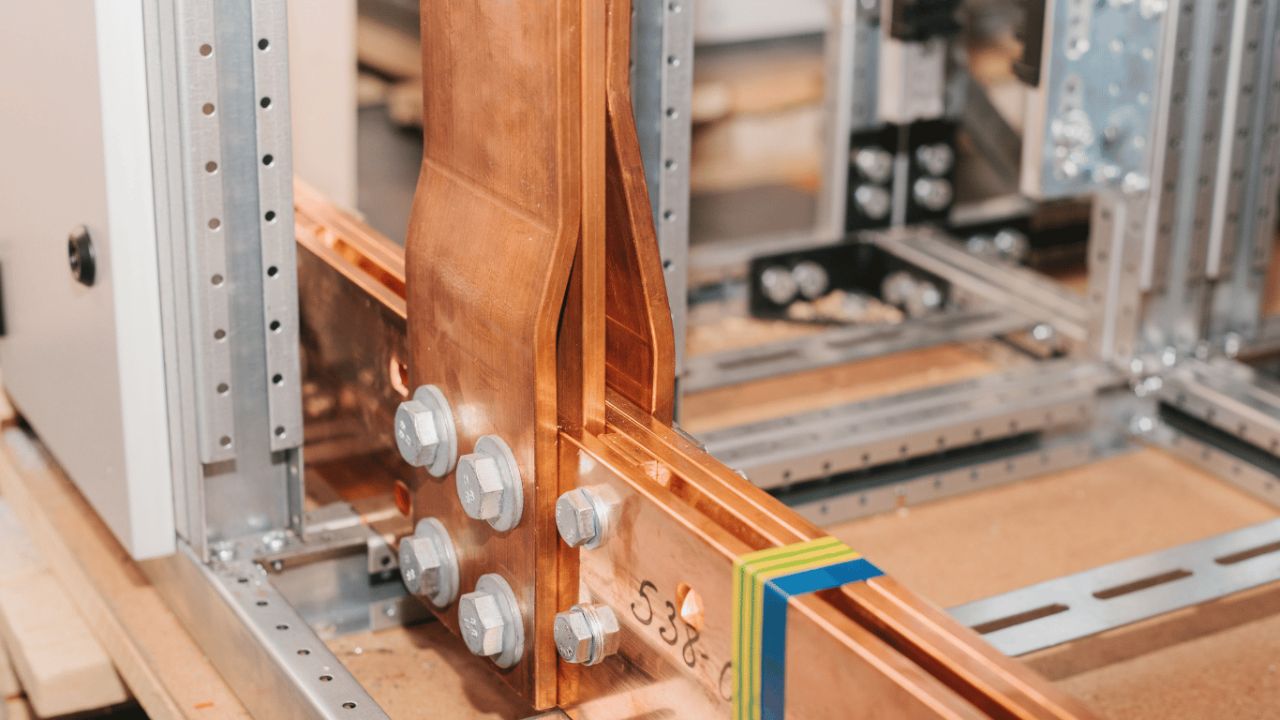
Busbar power distribution is widely used in environments with high power capacity, reliability and flexible system design. Here are some common application cases:
مراكز البيانات
The busbar system in the data center is used to distribute the power from the UPS system to the server racks. The tap-off units can directly supply power to the individual racks. The high power density requirements, scalable infrastructure demands and continuous operation needs of data centers can be met by busbars.
Industrial Manufacturing
The factory requires a large current to power the equipment, frequently changes the production lines, and needs a stable and reliable power supply. Therefore, you need to use a busbar to distribute the electricity to the heavy machinery, production lines and equipment in the large factory.
The busbar can provide high-capacity power distribution, with the flexibility to adapt to production changes.
المباني التجارية
The compact, structured design of the busbar is more suitable for installation between floors to distribute electricity and supply power to lighting, HVAC systems, and other building equipment. The busbar power distribution system helps you simplify the power distribution in complex building layouts.
أنظمة الطاقة المتجددة
Renewable energy systems can handle high currents and require efficient energy transfer. The busbar connects power generation sources to inverters and the distribution network, improving energy efficiency and system reliability, while reducing energy transportation losses. The busbar power distribution system is well suitable for building sustainable energy infrastructure.
Apart from the above applications, you can also apply the bus distribution system to transportation infrastructure, hospitals, oil and gas industries, and heavy industries.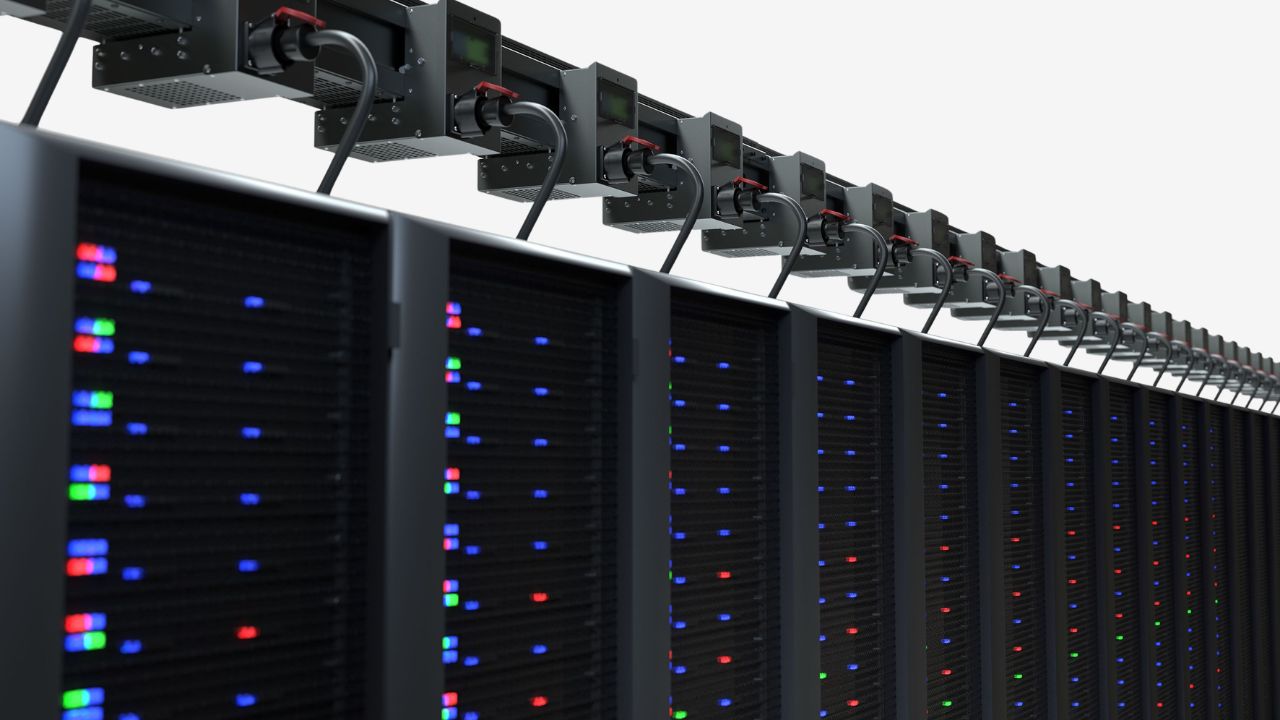
Factors to Consider When You Choose a Busbar System
Rated Current Capacity
You need to consider the maximum current that the bus system can safely carry under normal operating conditions. If the system capacity is insufficient, it will lead to overheating and failures, while an overly large system will increase unnecessary costs.
In summary, you need to carefully assess your current load requirements, peak load requirements, and future expansion needs. And the load’s diversity and usage patterns should also be considered.
System Voltage Rating
Mismatched voltage ratings of bus systems can lead to insulation failure and safety hazards. You need to consider its compatibility with the existing electrical system as well as the requirements for future upgrades.
مستوى الحماية
Selecting the appropriate dust and water resistance levels is also a requirement for the safe operation of busbar power distribution in different environments. Generally, industrial and outdoor environments require a higher تصنيف IP.
Installation Environment
You need to consider the installation environment, including temperature, ventilation, humidity, dust, etc. Environmental factors can directly affect the system’s durability and safety.
Flexibility and Expandability
You change a lot of facilities over time. Therefore, you need to carefully consider the availability of the distribution units, modular design, etc.
Apart from the above factors, thermal performance, product certification, installation layout, maintenance requirements and material selection all require you to carefully evaluate and choose. Choosing the right busbar system guarantees safe and reliable power distribution, and supports future scalability and operational efficiency.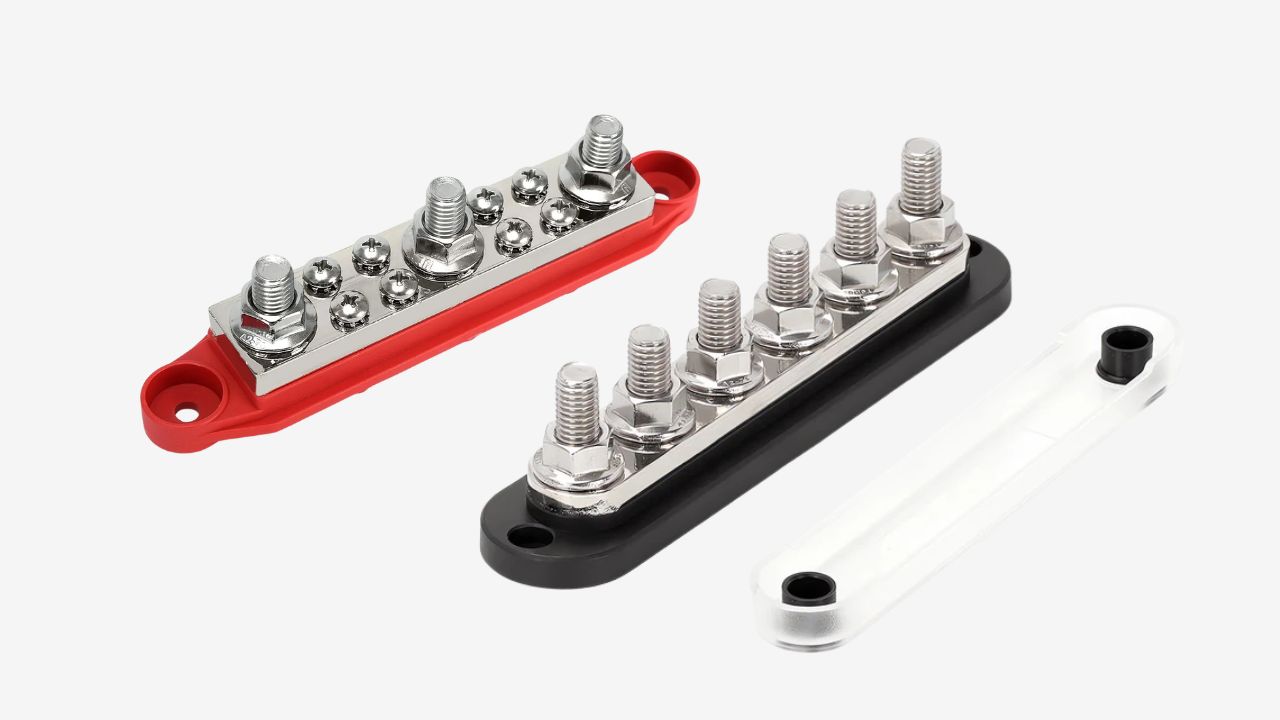
التعليمات
What Is The Typical Lifespan Of A Busbar Power Distribution System?
The service life of the busbar distribution system is usually between 25 and 40 years, which depends on factors such as your load conditions, installation quality, environmental exposure and maintenance measures. If you can design reasonably, install correctly and conduct regular inspections, the busbar power distribution system can operate reliably for ten years with minimal performance degradation.
Can The Busbar System Be Expanded After Installation?
Yes. The modular design of the busbar system enables you to easily add additional sections or tap-off units, thus making the system accommodate the increasing power demand and layout changes.
How Is Heat Managed In High-Current Busbar Systems?
In a high-current busbar system, heat is mainly managed through efficient conductor design and natural heat dissipation. The busbars use low-resistance materials to reduce heat generation, and the spaced arrangement and ventilated enclosure can achieve effective heat dissipation.
Do Busbar Systems Require Special Maintenance Compared To Cable Systems?
No. The busbar system requires less maintenance than the cable system. Its enclosed design and fewer connection points reduce the fault risks. However, you still need to regularly inspect the joints and connections to ensure safe operation.
What’s the Difference Between Busbar and Traditional Cable Power Distribution? What’s the Advantage of Busbar?
For distributing power, bus systems use rigid metal conductors within a closed structure, while conventional wire systems mainly use multiple insulated cables. In comparison, the busbar can handle a higher current capacity, has higher energy efficiency, and is easier to expand and modify.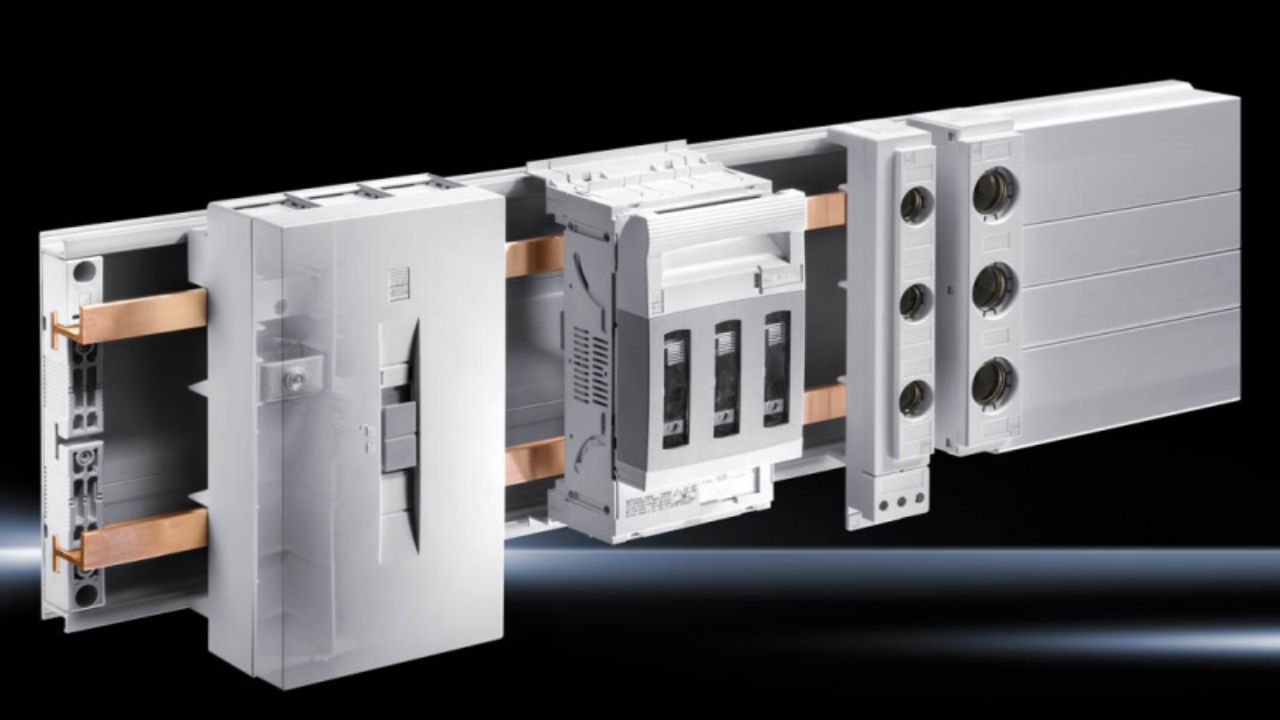
Final Thought
As a professional electrical enclosure manufacturer, كيه دي إم can provide you with busbars for balanced load distribution. Besides, we provide switchgear, panels and electrical enclosures for mounting busbars. We can also provide you with one-stop customized service. If you want to customize electrical enclosures, please feel free to contact us.
 Arabic
  English
  French
  Spanish
  Russian
  Japanese
  Korean
  Portuguese
  Indonesian
  Chinese