


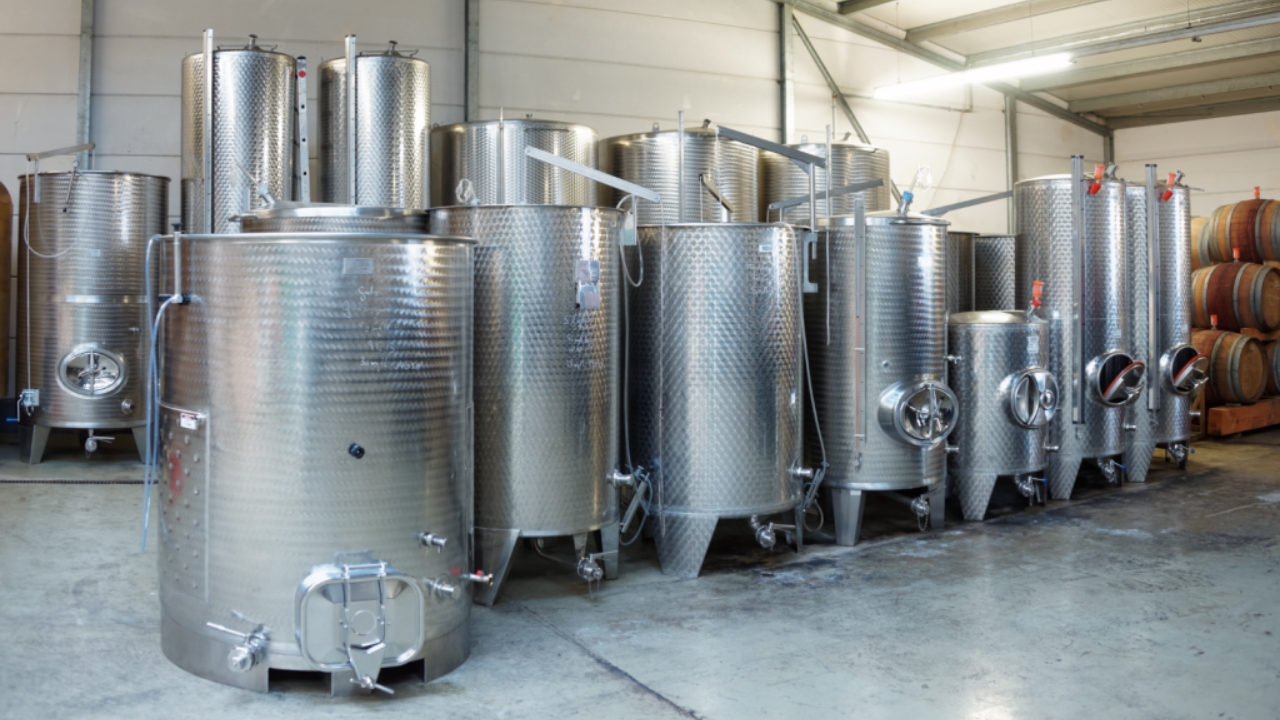
Individuals in a profession that requires materials to be extremely clean and durable would require understanding how to passivate and polish stainless steel tanks. You definitely should not skip this step, but you must take it to ensure that your tanks are guarded against rust in a manner that is both legal and dependable and long lasting. Our guide is a step-by-step explanation of how to make a perfect passive layer that will ensure that your investment is safe and your process is running well.
What does Passivation of Stainless Steel Mean?
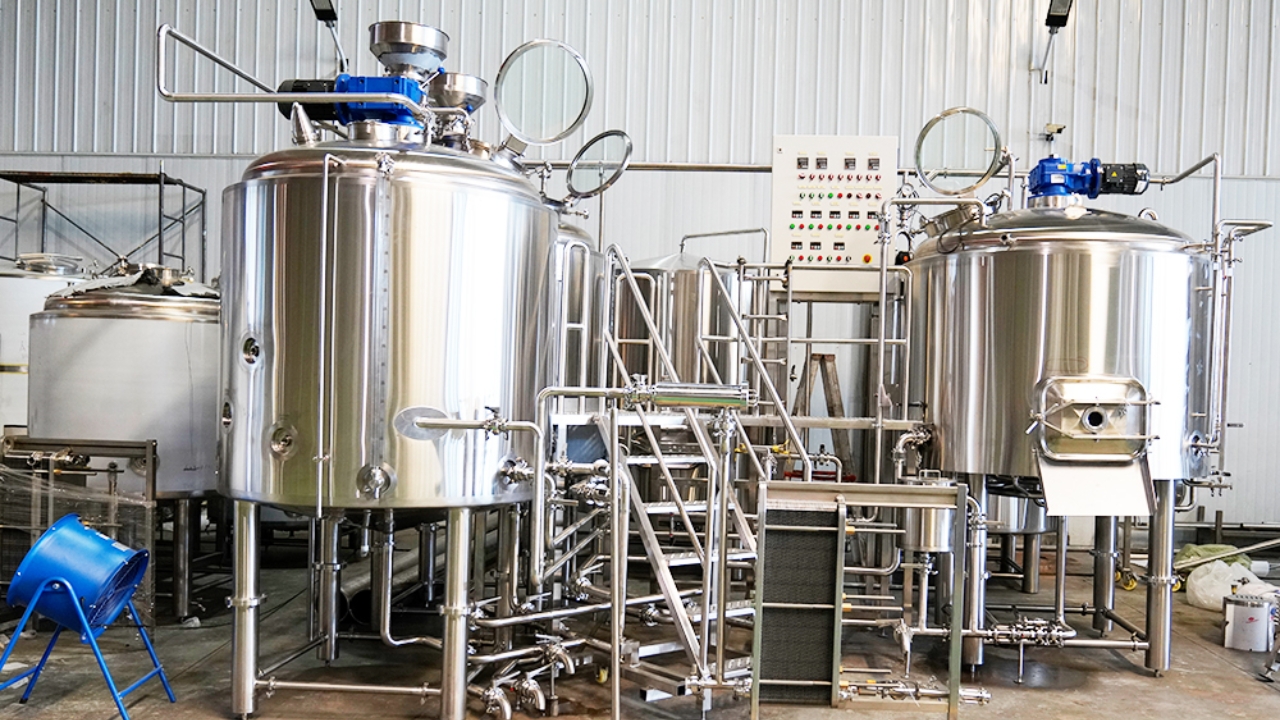
Passivation is a controlled chemical operation that occurs on stainless steel to reduce the chances of rusting. It disposes of the iron left over during the manufacture, welding and transportation of the tank on the top of the tank. The metal iron may then rust to a smooth layer which does not do anything. It is similar to sealing the stainless steel, preventing the entering of rust and dirt. This is important in the food and drink or pharmaceutical industry where material purity is highly valued.
Types of Passivation for Stainless Steel Tanks
There are two primary ways to do things in business, and each of them has advantages and disadvantages. In the majority of cases, the decision depends upon your work, the regulations that you must obey, and legislation in your locality.
Passivation with Nitric Acid
This is the common practice, as stated in ASTM A967, and has long been the case. Nitric acid and sodium dichromate are usually combined to form a solution. This solution dissolves free iron and assists in the formation of a powerful layer of chromium oxide.
Citric Acid Passivation
This is rapidly becoming a favorite option as it is more friendly to the environment and is safer. Citric acid passivation removes iron as effectively, does not release any fumes or heavy metals, and helps get rid of trash more easily.
Different Types
People talk about electropolishing from time to time. Electricity takes the surface to reveal a layer rich in chromium, which is the same thing that chemical passivation does, but the process is rougher.
| Method | Typical Solution | Key Advantages | Key Considerations | Common Standards |
| Nitric Acid | 20-50% HNO₃ | Traditional, well-documented, strong oxidizer, standardization of electricity enclosures | Hazardous fumes, toxic waste, safety intensive | ASTM A967, AMS 2700 |
| Citric Acid | 4-10% Citric Acid | Safer, environmentally friendly, no toxic fumes | May require higher temperature, newer but accepted | ASTM A967, AMS 2700 |
| التلميع الكهربائي | Phosphoric & Sulfuric Acid | Removes surface imperfections, improves cleanability | More expensive, equipment-intensive, not pure passivation | ASTM B912 |
Preparing Stainless Steel Tanks for Passivation
Success is 80 percent preparation. Without these steps, the process of passivation may fail.
Initial Inspection & Documentation:
Inspect every weld, surface, corner, etc. to note the presence of weld scale, heat tint, or any embedded contaminant of the metal. Make pictures of the tank to demonstrate its appearance. Depending on the major flaws, pickling or grit blasting may be required to eliminate the flaws prior to progress.
Cleaning & Degreasing:
The top cannot have any dirt on it. Use special alkaline agents or special degreasers to remove all oils, greases and coolants. This is of course a necessity since acids cannot penetrate organic grounds.
Safety Preparations & PPE:
Create a work environment under control. Ensure that all the workers are equipped with the correct PPE such as aprons, acid resistant gloves, goggles and face shields. Ensure that the emergency wash stations, neutralizers (such as sodium bicarbonate and spill kits are readily available).
Core Process & Validation
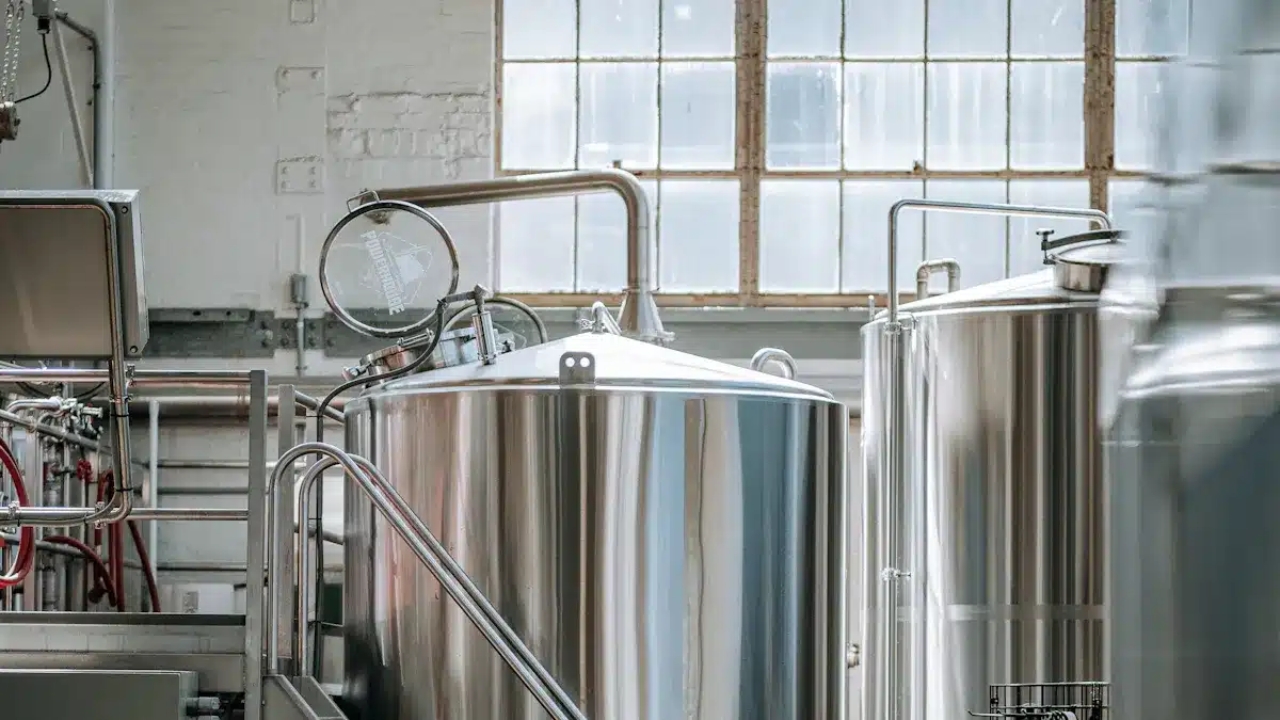
Step‑by‑Step Passivation Process for Stainless Steel Tanks
Good passivation requires a planned approach to doing things. The following is a comprehensive, legal process that you can go through.
Step 1: Clean the Tank Interior
This step is impossible to underline. Lastly clean using non-chlorinated cleaner and deionized (DI) or filtered water, after the initial step of degreasing. Chlorides can cause rusting. Make sure that everything has been washed down. A chemically clean surface that has no water fissures is to be added to the surface then the acid.
Step 2: Prepare the Passivation Solution
Use the directions that accompanied the acid solution (such as ASTM A967) or the specifications that you have selected. Clean, specific non-metal tanks or containers are to be used. This is usually a 20-25% by volume of nitric acid in DI water. The solution of citric acid is typically heated to 140-160°F (60-71 c). Always add acid to water but never water to acid.
Step 3: Acid Bath or Circulation
In small parts or tanks, it is sufficient to place them in a passivation bath. When it comes to large, fixed tanks, it is necessary to fill or circulate the solution in a manner that it reaches every part of inside the tank in the same amount. This covers all the welds, corners, and nozzles. The circulation pump materials and lines should also be appropriate and passivized.
Step 4: Dwell Time & Temperature Control
Maintenance of the mix is maintained within the range of temperatures provided during the time required. At room temperature, dwell times with nitric acid are normally 60 minutes to 30 minutes. High temperatures (20-40 minutes) may be required to perform processes that utilize citric acid. To make a response even, the temperature should remain the same. Keep a close eye on it.
Step 5: Rinse & Neutralize
Drain the acid solution when the time is finished. Wash the tank immediately and thoroughly with much DI or filtered water. This is aimed at raising the pH very fast and eliminating any remaining acid. In the case of nitric acid processes, a light alkaline (sodium bicarbonate) rinse can be requested to remove traces of remaining acid, and then a final DI water rinse.
Step 6: Drying & Passivation Completion
Dispose all the rinse water immediately. Use clean and dry air or nitrogen which does not contain any oil to blow out all the low spots and dry out the tank fully. Any stagnant water may dilute the new inactive layer and produce water spots or areas where corrosion may occur. At this stage, the tank is reportedly passivated. Keep the inside hygienic by sealing off all the holes and cracks.
Passivation Testing & Validation
How do you know the process was successful? These common test procedures are guaranteed to ensure that the passive layer is functioning properly.
Copper Sulfate Test
It is a widely used field test that does not destroy anything. A stainless steel solution is swabbed with copper sulfate solution. It will appear as copper glittering (a pink or reddish hue) in case of free iron. A passivation test after a few minutes reveals that no copper is added. It is not a quantitative test but a go/no-go test, though important.
Salt Spray and Humidity Chamber Tests
They are rapid tests of rust that are ASTM B117-based. Stopless salt spray fog is placed on passivated samples. The hours to failure (hours before the first evidence of red rust appears) is measured and compared with standards in the specification. It is a simple yet dangerous test that has been frequently employed to screen individuals.
Potassium Ferricyanide (Ferroxyl) Test
It is a qualitative test that is highly accurate. It is used in the mixture of potassium ferricyanide, and nitric acid. In 15-30 seconds a distinct blue spot known as Prussian blue appears indicating the presence of free iron. It is very efficient in locating small quantity of pollution particularly in and around welds which might have been cut and welded.
Safety, Environmental & Compliance Considerations
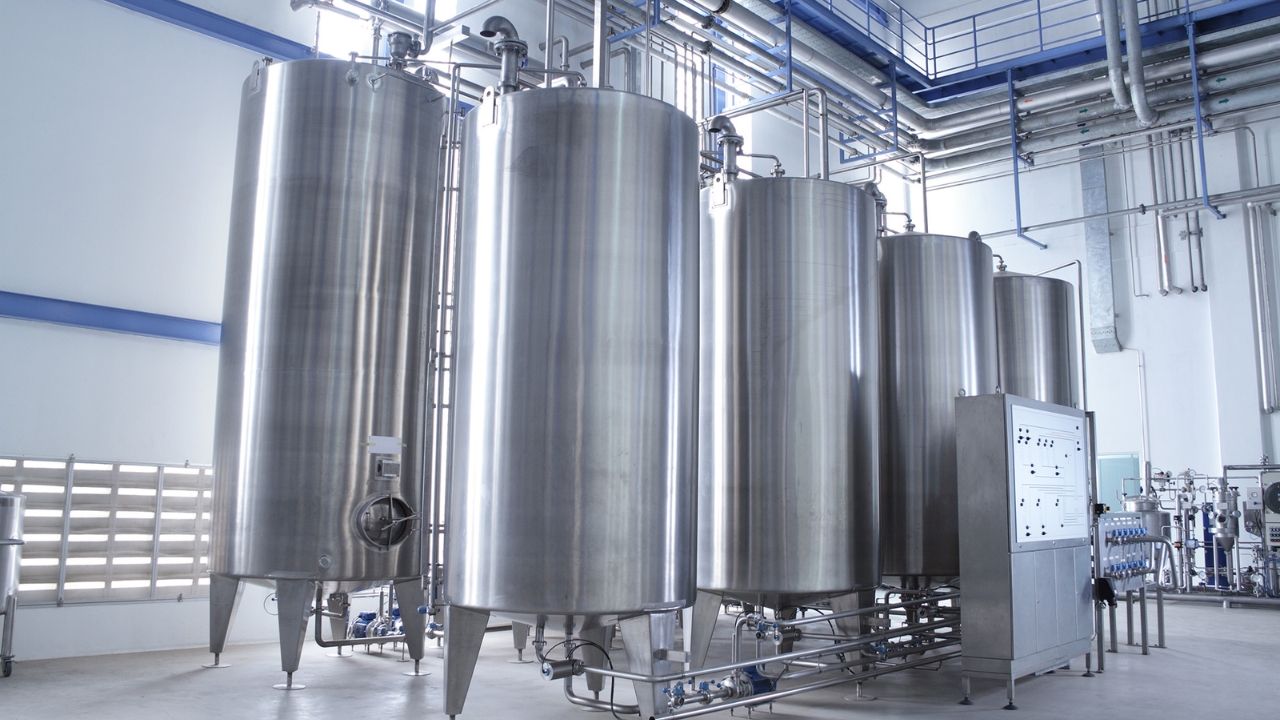
Passivation is a great chemical process and must be prepared in advance and with great care. Disregard of these things may result in significant losses, state penalties, and environmental destruction.
Safe Acid Handling and Disposal
Always be very careful around acids. Wear the right safety gear, work in well-ventilated places, and keep an MSDS close at hand. Do not mix acid types. Getting rid of trash is very important. Spent nitric acid solutions often have heavy metals in them and need to be treated by a licensed hazardous waste handler. Even though citric acid trash is easier to deal with, it may still need to be neutralized before it can be dumped into the sewer. Check your local rules first.
الاعتبارات البيئية
The damage your process does to the world is important. Passivation with citric acid is clearly better in this case because it breaks down naturally and makes less dangerous waste. For audit trails, it doesn’t matter what method you use as long as you follow industry standards (like those for pharmaceutical or food-grade tools) and write down every step, from the concentration of the solution to the quality of the rinse water.
Maintenance After Passivation
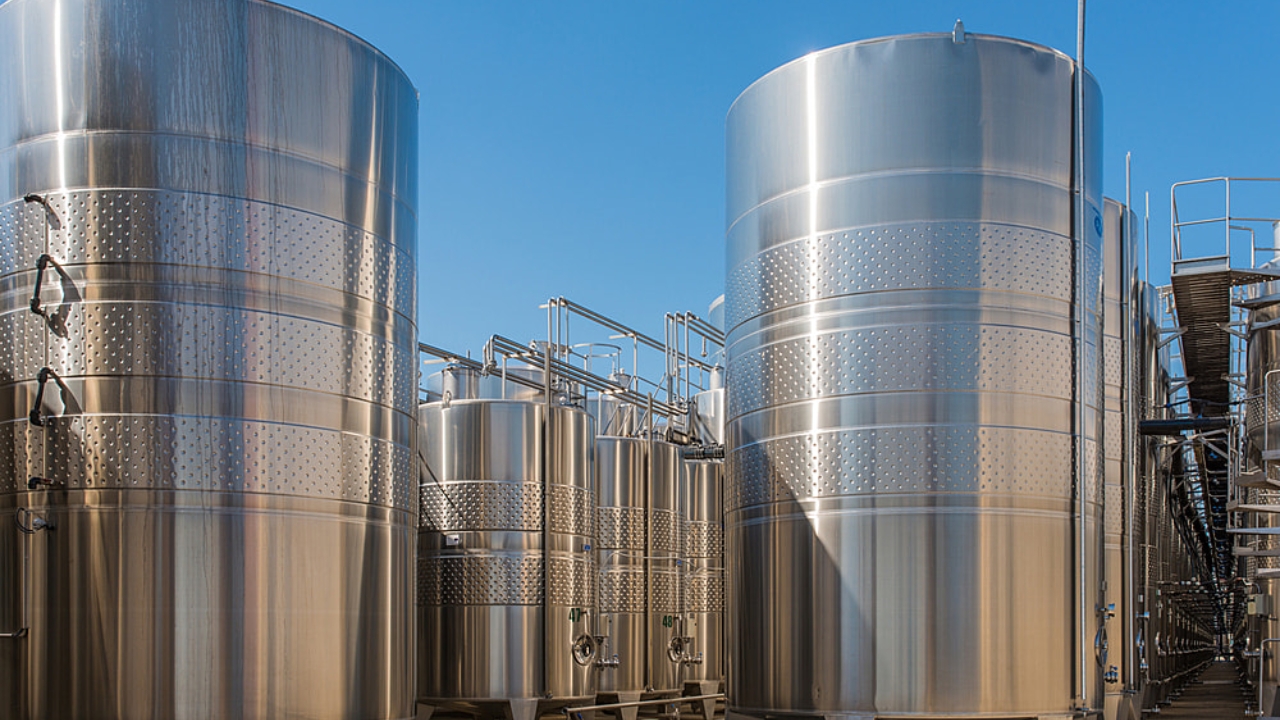
Passivation isn’t a one-time thing; it’s what makes something last a long time. Keeping up with maintenance will protect your property.
Regular Cleaning Schedule
Use only compatible, non-chlorinated, and non-abrasive cleaners when you do a cleaning-in-place (CIP) or manual cleaning procedure. It can be broken by harsh chlorides (like bleach) or steel wool. Follow the steps that are suggested for maintaining stainless steel.
How to Handle Scratches or Repairs
The passive layer is broken in that area if the inside surface is badly scratched, gouged, or needs to be re-welded. To restore corrosion protection and keep the system’s integrity, the damaged area needs to be carefully cleaned and re-passivated using a limited method.
الأسئلة الشائعة
Can citric acid completely replace nitric acid?
Yes, in most business situations. The ways that citric acid is made today meet important military (AMS 2700) and ASTM (A967) standards. Often, the choice comes down to the special needs of the customer, rules about the environment, and safety rules.
How long does passivation stay on tanks made of stainless steel?
There is no set end date. As long as oxygen is present, the passive layer will refill itself. The working environment determines how long it lasts. Chlorides, acids, or physical damage can shorten its life. It can last as long as the tank does if you take good care of it.
Do all stainless steel tanks need to be passivated?
It is good for everyone, but it is especially important for tanks that are used in corrosive environments, in high-purity industries like food, pharmaceuticals, and electronics, or that have a lot of welded construction. For non-critical uses, a simple carbon steel holding tank wouldn’t need it, but it’s the right thing to do for stainless steel.
Does passivation make welds less likely to rust?
Yes. When you weld, heat tint, and iron can get stuck in the joint zone, making it more likely to rust. Passivation works on these areas especially, making the corrosion resistance the same on both the parent metal and the weld.
Which is better, passivation or pickling?
Pickling uses stronger acids (hydrofluoric and nitric) to get rid of heat tint, welding scale, and a thin layer of the parent metal. Passivation mostly gets rid of free iron contamination by using gentler acids. In this case, pickling is like “heavy cleaning,” and passivation is like “final sealing.”
How often should the passivation of stainless steel tanks be done again?
Only when it’s needed. Some reasons are when there have been big repairs or welding, when the inside is badly worn down, or when corrosion testing (like a copper sulfate test) shows failure. If you keep up with regular upkeep, you might never need to re-passivate.
Can passivation change the way stainless steel looks?
It shouldn’t change the finish too much. Passivation might make the surface a little duller or darker all over, but it doesn’t take away metal or change the shape of the surface like pickling or electropolishing does, and it does not affect the size of the stainless steel tank.
Stainless Steel Tanks Passivation by KDM Steel
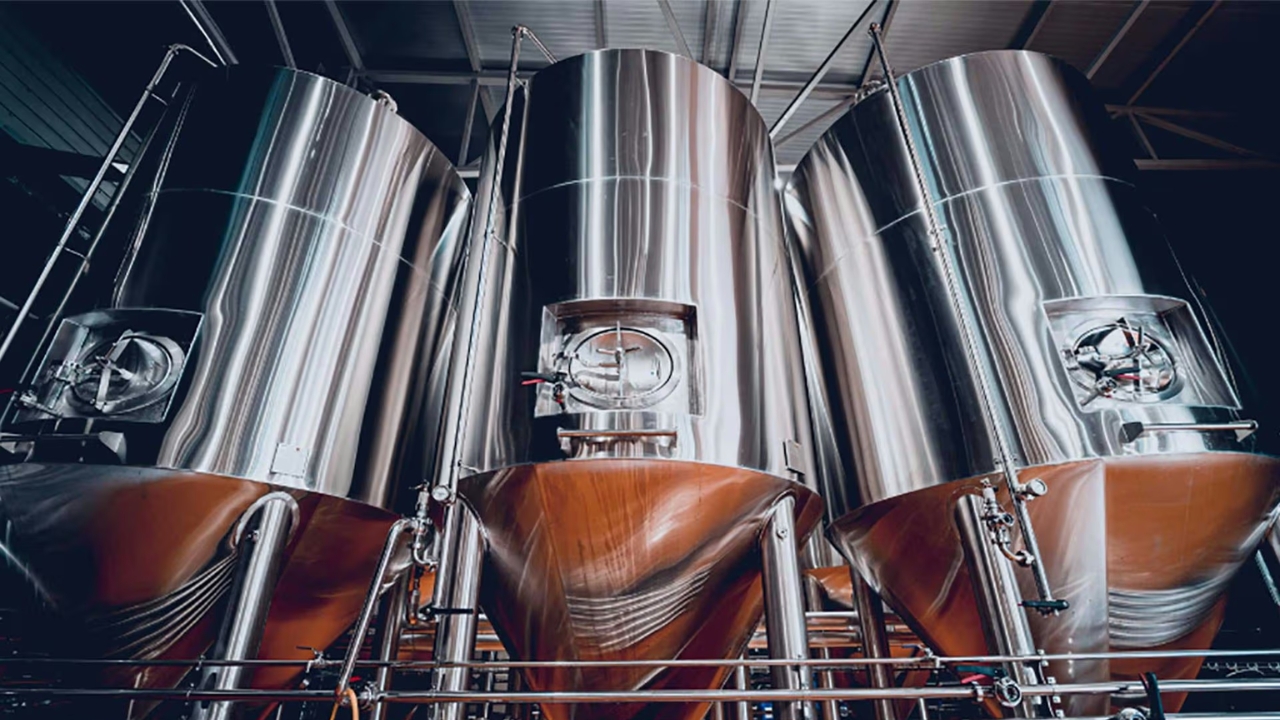
في كيه دي إم ستيل, we know that passivation is the last and most important step in making sure that your tank works perfectly in your tough application. We’re not just good at making things; we’re also good at getting them finished and ready to use.
We can help you find the best passivation way for your business, make sure you follow all the rules, and even do the process in our controlled facility or give you advice on how to do it correctly on-site. اتصل بنا today to get your quote.
 Arabic
  English
  French
  Spanish
  Russian
  Japanese
  Korean
  Portuguese
  Indonesian
  Chinese