


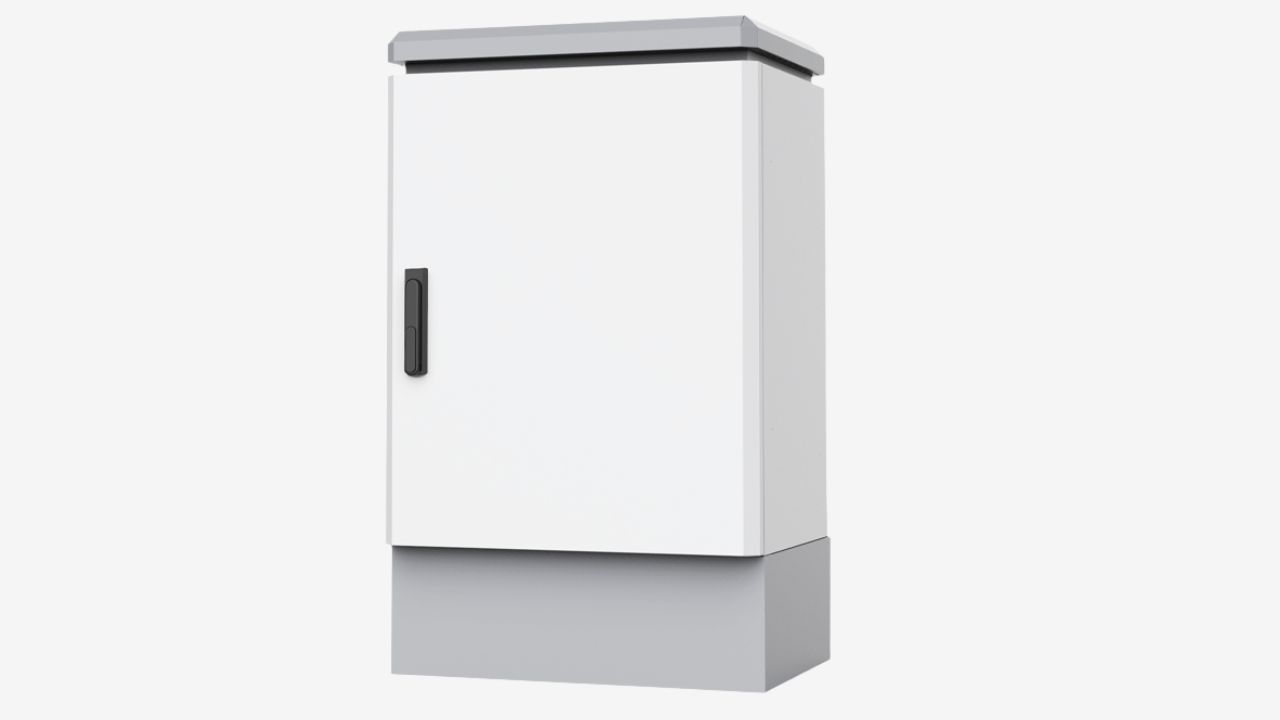
NEMA aims to assess and define the protection level of enclosures under various factors.Different levels have targeted protection types. Are you struggling to choose the right enclosure among so many NEMA ratings? This article discusses the specific differences between NEMA 6 and NEMA 12 and provides a detailed selection guide. If you are confused when choosing between the two enclosures, this article can help you clarify your needs and make a more appropriate choice.
What is NEMA 6 Enclosure?
The NEMA 6 enclosure refers to a type of enclosure designed to protect against short-term immersion in water,especially transient flooding. It guarantees that the critical electrical and control components inside the enclosure can function properly after being submerged for a certain period of time.
Immersion protection is the core and most distinctive feature of NEMA 6. NEMA 6, which is waterproof for a short time, can also prevent small particles such as dust and fibers from invading.
To achieve a high sealing grade, NEMA applies high-quality gaskets and multiple fasteners to establish an outstanding sealing system. All the outlet ports and accessories need to be specially sealed. Enclosures are often made of sturdy materials such as stainless steel, الألومنيوم and engineering plastics.
ما هو NEMA 12 Enclosure؟
نيما 12 is a universal enclosure designed to provide comprehensive protection for indoor industrial environments. The core design objective of NEMA 6 is to prevent dust, fibers, and non-corrosive oils and coolants from entering during industrial production.
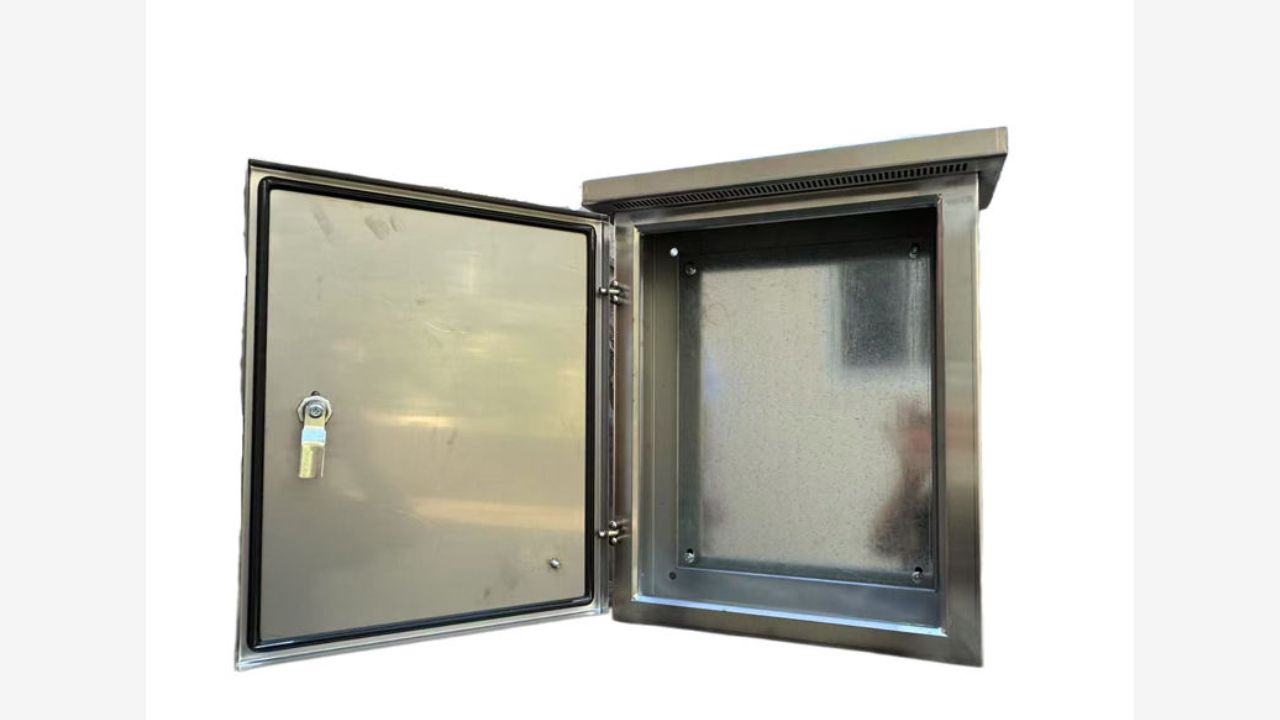
To meet the protection requirements, NEMA 12 achieves a good balance among sealing performance, practicality and cost through gasket sealing, no ventilation holes design, sturdy materials (cold-rolled steel, stainless steel, glass fiber), door locks and hinges.
Among the various indoor industrial protection grades available, NEMA 12 is the most versatile, cost-effective and suitable option. Its price is lower than NEMA 6, and it offers more comprehensive protection.
Key Differences Between NEMA 6 and NEMA 12
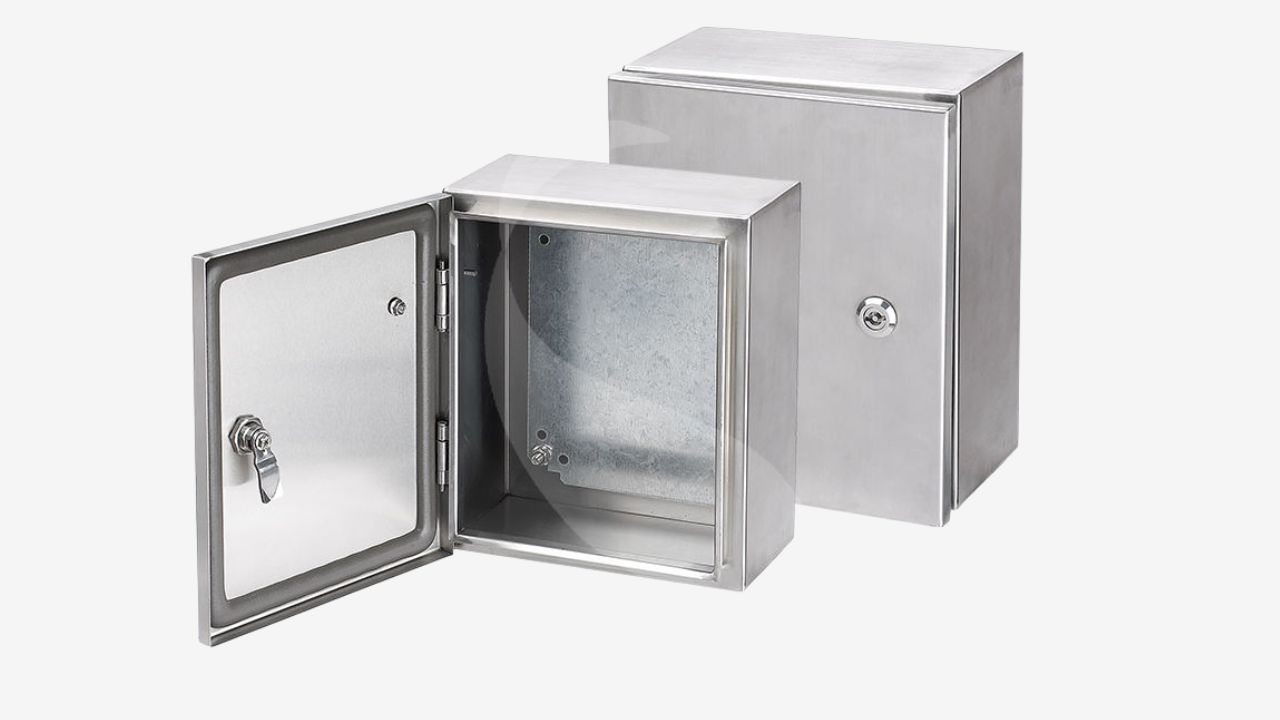
Through the detailed introduction of NEMA 6 enclosures and NEMA 12 enclosures, the differences between the two have become apparent. Following is a detailed comparison of their differences.
Design Purpose and Protection Level
NEMA 6 is designed to protect the enclosure from short periods of water immersion. Therefore, it is designed for waterproofing. The main application environments of enclosures are mostly wet, washdown or areas prone to flooding.
The primary purpose of NEMA12 is to protect against dust, dirt and dripping oil. Its main focus is on preventing contamination. The main application environments are mostly dry industrial indoor environments.
حماية من الغبار
Both have excellent dust-proof performance, but the design logic behind them is not the same.
One of the core design goals of NEMA 12 is to prevent industrial dust and fibers from entering. Its sealing gaskets and box structure are specifically designed to block airborne particles, such as metal powders, wood chips, and so on. It guarantees the cleanliness and reliability of the internal electrical components.
The dust-proof capability of the NEMA 6 enclosure is a natural consequence of its excellent waterproof sealing performance. The NEMA 6 needs to undergo an immersion pressure test to meet higher sealing standards. Therefore, it can completely prevent the intrusion of fine particles such as dust and fibers.
حماية المياه
The difference in waterproof performance is the most crucial and significant distinction between the two.
The design of NEMA 6 requires undergoing strict immersion tests, typically keeping the equipment underwater for 30 minutes at a depth of 0.3 to 0.9 meters. This is to deal with the enclosure that may encounter temporary inundation, such as flash flooding, heavy rain runoff, etc. You should note that NEMA6 only provides short-term water resistance, not long-term immersion.
NEMA 12 provides protection against dripping and splashing. It can only protect against vertical dripping and minor splashing of non-corrosive liquids. It can handle liquid threats in indoor environments caused by leaks, splashes or changes in humidity. However, it cannot be used for hose rinsing, rain washing and immersion.
Oil/Coolant Resistance
When the NEMA 6 enclosure is made of corrosion-resistant materials such as الفولاذ المقاوم للصدأ or engineering plastics, and with its extremely high sealing performance, it can also resist various liquids, including corrosive ones. However, you should be aware that the design of the NEMA 6 enclosure is more focused on water rather than professional resistance to oil and coolant.
The NEMA 12 design standard clearly requires protection against non-corrosive oils, lubricants and coolants. The NEMA 12 enclosure is specifically designed for oily industrial environments, such as CNC processing workshops and conveying systems. It can effectively prevent liquid splashing or atomization invasion.
Indoor /Outdoor Suitability
The NEMA 6 enclosure is theoretically applicable both indoors and outdoors. However, you should be aware that it is mainly designed to address specific threats of liquid water, rather than a wide range of outdoor climates. You can install it in an underground pump room indoors or in low-lying areas outdoors that may be flooded.
If you want to meet the routine outdoor requirements for rainproof and dustproof protection, نيما 4X is usually a more cost-effective option.
As mentioned earlier, the NEMA 12 enclosure is a strictly indoor enclosure. It does not have the ability to withstand outdoor conditions such as sun exposure, rain, snow, and hail. You need to install it in a controlled indoor environment.
Construction and Sealing
The NEMA 6 enclosure mainly adopts an airtight fortress-type enclosure. It mainly consists of thick multiple gaskets, densely arranged high-strength fasteners around the door frame, and a fully welded or cast box with no ventilation holes.
The good sealing of the box brings significant heat dissipation challenges. Therefore, the enclosure also needs to rely on external heat sinks or heat exchangers and other auxiliary means for forced cooling, which will greatly increase the complexity and cost of the system.
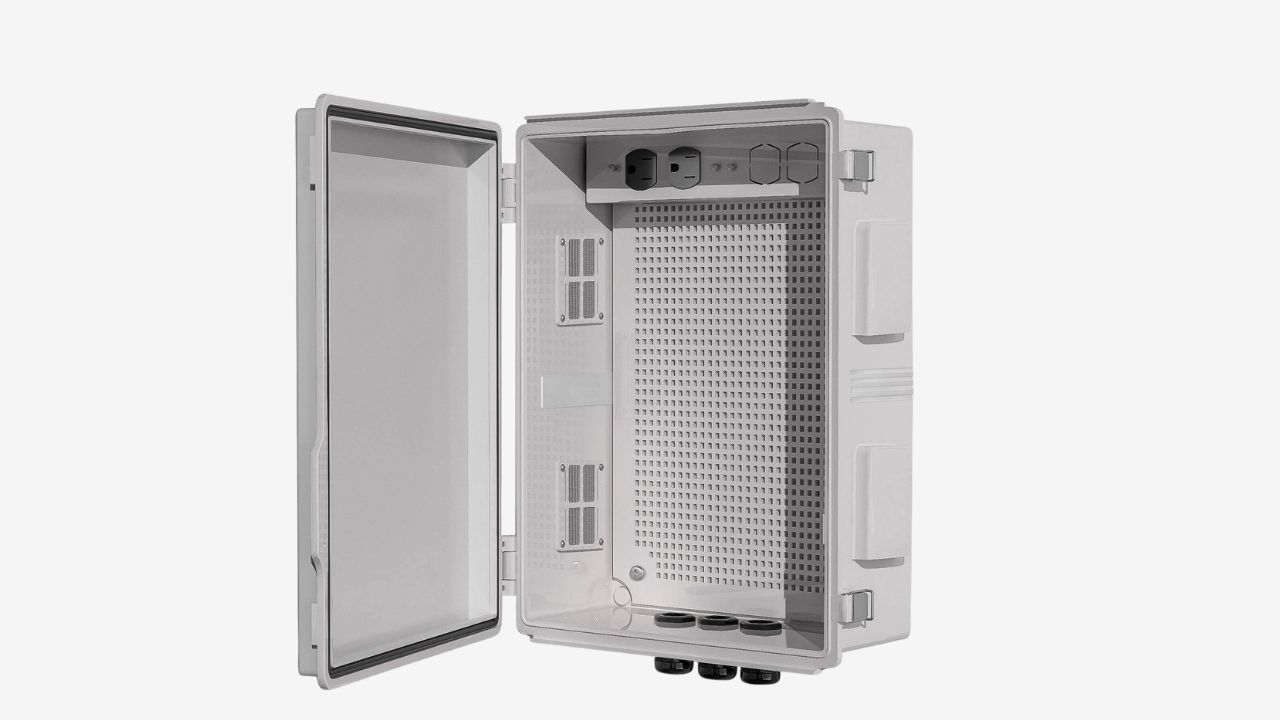
The NEMA 12 has a practical seal that is resistant to dust and splash. It typically uses a single layer of gasket and fewer door locking fasteners. Moreover, its design usually features a filter screen ventilation opening. It can solve the problem of heat dissipation inside the enclosure. This is also one of the reasons why it can be widely used in indoor industrial environments.
Cost and Complexity
The NEMA 6 enclosure usually has a higher overall cost. The enclosure is typically made of more expensive materials and has more precise processing techniques. Besides, it has complex sealing components and an auxiliary cooling system. Therefore, its cost is much higher than the NEMA 12. At the same time, the engineering complexity of its design, installation and maintenance has also significantly increased.
Compared to NEMA 6, NEMA 12 offers excellent cost-effectiveness. Its manufacturing materials, standardized structure and simple cooling solution will make your procurement, installation and maintenance costs relatively lower. Therefore, it is one of the most cost-effective protection options in your industrial automation field.
Comparison Summary Table
Based on the above comparison content, here is the comparison table, which will help you more intuitively compare the differences between the two.
| فئة | NEMA 6 | نيما 12 |
| Design Purpose | Temporary submersion | Dust, fiber and oil resistance |
| حماية من الغبار | Good,but not primarily design | Excellent dust resistance
|
| Dripping/Splashing Water | Excellent | محدود |
| حماية المياه | Temporary Submersion | Not good |
| Oil/Coolant | لا | Excellent |
| Indoor/Outdoor Use | Both | Indoor Only |
| Construction&Sealing | Airtight fortress-type enclosure | Practical dust-proof and splash-proof seal |
| Cost&Complexity | Higher cost&more complex design and production | Excellent cost-effectiveness&relatively simple |
Selection Guidance
Select Based on Application Environment
First, you need to make a judgment based on the assessment of the installation environment.
Choose NEMA 6 if:
- The equipment needs to be installed below the ground level or in pits or basements that may accumulate water.
- The area where the equipment is located may experience seasonal floods, pipe ruptures or overflows.
- The enclosure needs to be regularly flushed with high pressure and at close range.
Choose NEMA 12 if:
- The installation environment of the enclosure has occasional dripping, slight splashing or oil mist in the air.
- The equipment does not require hose-directed spraying, and can be wiped only with a damp cloth.
Secondly, you also need to determine the installation environment. If you install the equipment in a workshop or factory with roof or walls, and the enclosure is not directly affected by the weather, you can choose NEMA 12. If you are also threatened by a large amount of water indoors, you need to choose the NEMA 6 enclosure.
If the equipment is exposed to an outdoor environment, you can choose an enclosure with another نيما rating,such as NEMA 3R, NEMA 4, etc. Only when there is a risk of immersion outdoors, do you need to use NEMA 6.
Finally, you also need to determine the type of pollutants. If the majority are dust or debris, then both NEMA 6 and NEMA 12 can provide excellent protection. If it is non-corrosive oil or coolant, NEMA 12 is fully capable and is your economical choice. However, if it is a corrosive liquid, you need to install the enclosure with anti-corrosion materials, such as NEMA 4X or NEMA 6P.
In summary, whether you choose NEMA 6 or NEMA 12, you need to first identify the liquid risk, then determine whether it is indoors or outdoors, and finally combine your cost and heat dissipation requirements. Ultimately, a comprehensive analysis is conducted to make a choice of enclosure that is both safe and reliable as well as economically efficient.
Common Selection Misconception
- The larger the NEMA number, the higher the protection level.
In fact, the numbers in NEMA represent the type of protection, not the level of protection. For example, NEMA 6 mainly prevents water immersion, while NEMA 4/4X mainly prevents splashing and rinsing. If you need equipment that is resistant to immersion, even if you choose a higher number like NEMA 12, it will be ineffective.
- All NEMA 12 enclosures are identical.
The NEMA enclosure includes both non-ventilated and ventilated with filter types. The latter can help with better heat dissipation. There can be significant differences in the quality of the gaskets, the number of locks, and the thickness of the steel plates among different enclosures. Therefore, you must choose the appropriate model based on the heat generated by the internal equipment and the concentration of environmental pollutants.
- For safety reasons, a NEMA 6 enclosure is used in any environment.
Using the NEMA 6 enclosure in an unnecessary environment is an overinvestment. It is costly. Moreover, due to its excellent sealing performance, it will pose significant thermal management challenges. The additional cooling equipment also increases your energy consumption, costs, and installation complexity.
Rough IEC/IP Code Equivalence
NEMA 12 Approximate IP 54(sometimes IP 55)
بالرغم من IP54 و IP55 cannot completely prevent dust from entering, the dust that does enter does not affect the normal operation of the equipment. This is basically consistent with the goal of NEMA 12 in preventing industrial dust and fibers from entering.
IP54 can protect against water splashing from any direction. This is highly similar to the protective capability of NEMA 12. However, the waterproofing ability of IP55 is slightly higher than the conventional requirements of NEMA 12.
However, the IP standard does not involve the protection test of non-aqueous liquids such as oil and coolant. Therefore, IP54 or IP55 are only similar to NEMA 12 in terms of dust and water protection capabilities, but they are not exactly the same.
NEMA 6 Approximate IP 67
IP6X can completely prevent dust from entering. The absolute dust-proof capability of NEMA 6, which is achieved through water-immersion sealing, is consistent with this. IPX7 allows the enclosure to be temporarily immersed in water within the specified time and pressure without water ingress.
However, the specific depth and duration of the IPX7 waterproof test need to be clearly indicated by the manufacturer. While NEMA 6 follows relatively fixed industry testing standards. Therefore, you cannot assume that an enclosure labeled as IP67 can meet all the application scenarios of NEMA 6.
Application Cases
NEMA 6 Applications
Wastewater Treatment Plant: The NEMA 6 enclosure can be directly installed on the top and side walls of the aeration tank. It makes sure that in cases of overflow of the tank, equipment maintenance, or emergencies, the wastewater will not enter the control box. The correct choice guarantees that the control equipment can operate without faults in extremely humid and corrosive environments.
Food and Beverage Factory: Food and beverage factories usually need to adhere to strict hygiene standards. The workshops usually require being rinsed with high-pressure hot water and chemical cleaning agents.
Even if the control cabinets are installed on the base, they may be completely surrounded by water flow or even briefly submerged. NEMA 6 avoids electrical failures and production shutdowns caused by cleaning operations, and meets strict food hygiene and safety regulations.
تطبيقات NEMA 12
Automobile Manufacturing Workshop: The workshop is usually filled with metal dust and welding splatter particles. Tools and equipment in the workshop may produce oil mist. There may be occasional splashes of coolant, but no large-scale water flow.
NEMA 12 can perfectly address the threats of dust and non-corrosive oil. It can not only dissipate heat but also prevent contaminants from entering. Therefore, NEMA 12 is the standard configuration in the field of industrial automation.
Plastic Injection Molding Workshop: The injection molding workshop usually has plastic dust particles. The hydraulic system of the machine may leak oil. There is a possibility of water vapor condensation and dripping in the mold cooling pipeline. NEMA 12 can address these challenges and is reasonably priced. It can guarantee the stability of production equipment and prevent sensitive electronic components from malfunctioning due to oil and moisture.
NEMA 6 and NEMA 12 can also be used in different production areas of the same industry. You can conduct a threat analysis based on the installation location of your equipment. Successful selection decisions can only be made after careful analysis, rather than blindly applying them based on cases.
التعليمات
What are the Main Differences Between NEMA 4X and NEMA 6 in terms of Corrosion Resistance?
The main difference is that NEMA 4X mainly protects against corrosion and splashing but not against submersion. While NEMA 6 can prevent immersion. Corrosion resistance can be achieved by using anti-corrosion materials such as stainless steel.
What are Some Commonly Overlooked Details When Selecting a NEMA 6 Enclosure?
The most often overlooked details include heat dissipation planning, compatibility of accessory sealing levels, regular maintenance and testing, etc. The fully sealed structure of NEMA 6 will hinder heat dissipation, so you need to plan a forced cooling solution in advance. The accessories also need to reach the same level of protection. You also need to regularly inspect and replace gaskets and other components to keep good sealing performance.
Are There International Equivalents to NEMA Ratings?Are They Completely Identical?
There are similar corresponding standards, but they are not exactly the same. The IP standard is the most commonly used to compare and refer to as the corresponding international standard. The NEMA standard includes tests for the corrosiveness of oil and coolant. While the IP standard only covers foreign objects and water. There is no equivalent conversion relationship between the two. The NEMA is mainly a standard dominated by North America, while the IP is a standard used globally and in Europe.
Final Thought
KDM, as a professional manufacturer with many years of custom production experience in electrical enclosure, provides you with a wide range of NEMA ratings. We can produce customized products to suit your application requirements. The factory adopts advanced production technology and has obtained multiple certifications. اتصل بنا to get your exclusive customized solution.
 Arabic
  English
  French
  Spanish
  Russian
  Japanese
  Korean
  Portuguese
  Indonesian
  Chinese