



Cryogenic tanks may make you think of a sci-fi lab from the future, but they are used in many current industries and even in your daily life. If you want to make an informed decision about whether to use this technology for your business or project, you should first learn about its main uses. Here it is:
Top Industrial Uses of Cryogenic Tanks
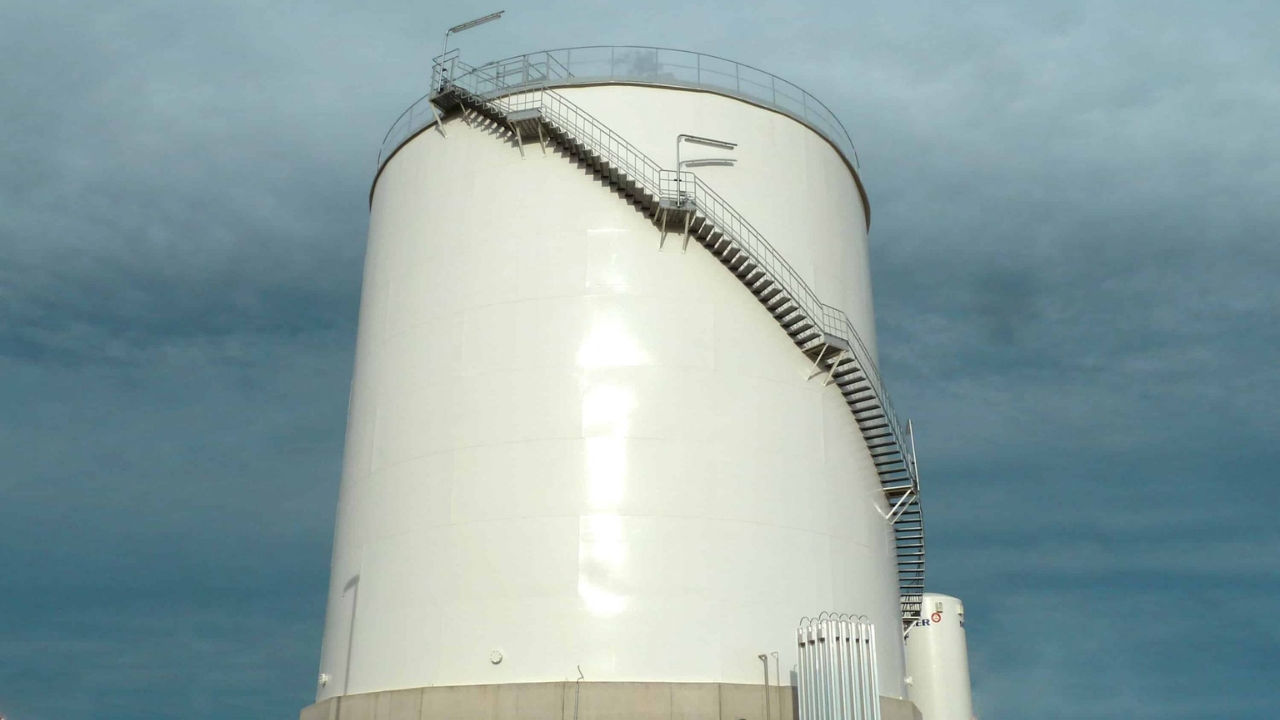
Energy & Fuel Industry
The push for sustainable and efficient energy solutions heavily relies on cryogenic technology.
LNG Storage & Transport
LNG is natural gas that has been cooled to -260°F (162°C), which makes it 600 times smaller. This makes it possible to move products over long distances affordably using special cryogenic tanks on ships and trucks, and to store them safely at ports for importing and exporting. It’s an important part of the world’s energy business.
Liquid Hydrogen for Clean Energy
Hydrogen is a key zero-carbon fuel that is usually kept and moved as a liquid at -253°C. For hydrogen fuel cell cars and large-scale clean energy projects, cryogenic storage tanks are necessary. This is an area where strong material engineering is very important.
Cryogenic Energy Storage (CES)
Liquid nitrogen or air is used in this cutting-edge technology. The air in a cryogenic tank is turned into a liquid using electricity. When energy is needed, the liquid quickly turns into steam, which turns a turbine and makes electricity. This helps keep the grid’s demand in balance.
Healthcare & Medical Research
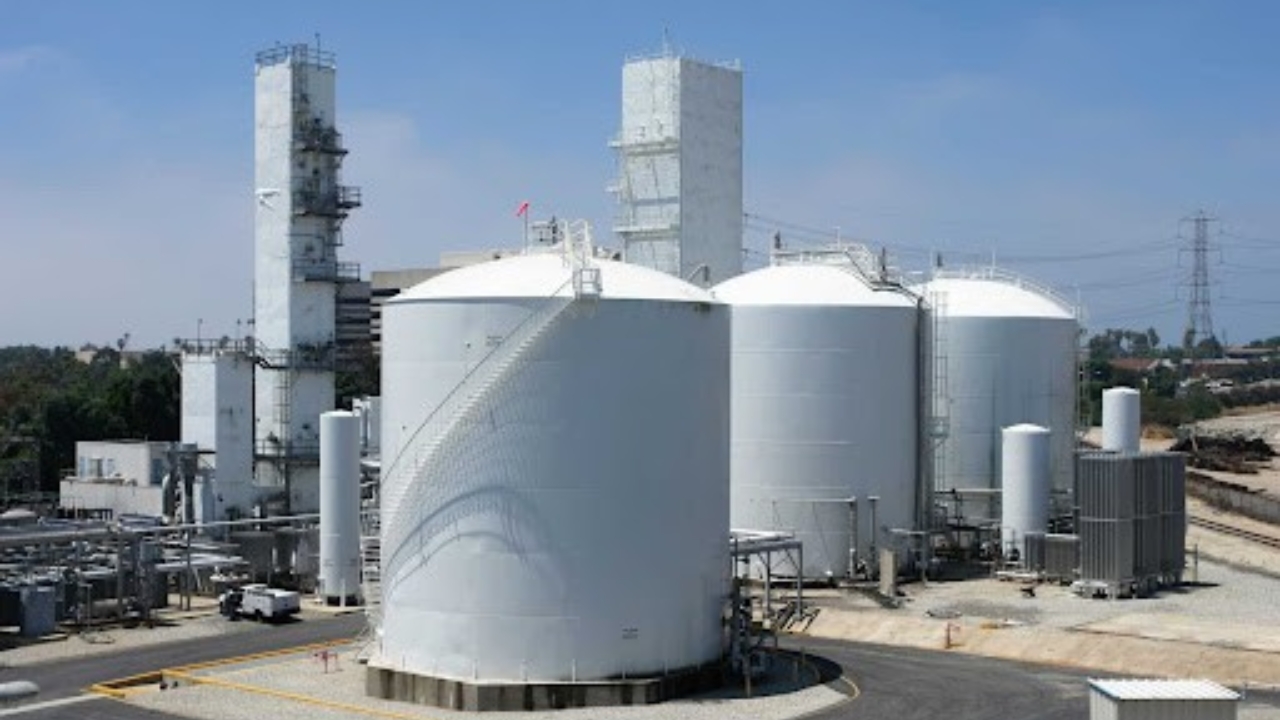
In healthcare, precision and reliability are non-negotiable, making cryogenic tanks indispensable.
Biological Sample Preservation
Liquid nitrogen storage tanks, which are sometimes called “dewars,” keep cells, organs, DNA, and stem cells frozen at -196°C in research labs, biobanks, and hospitals. All biological activity stops, making it possible for future medical breakthroughs to happen in the long run.
Organ and Vaccine Cold Chains
Ultra-cold delivery is needed for transplant organs and some vaccines, such as the Pfizer COVID-19 vaccine. Portable cryogenic cases keep these important materials stable at very low temperatures, making sure they work well from production to use.
Medical Gases (Oxygen, Nitrous Oxide)
For patients’ breathing support, large hospitals often have on-site cryogenic liquid oxygen tanks that turn liquid oxygen into gas. This is a better and more reliable way to feed than high-pressure cylinders.
Manufacturing & Industrial Processing
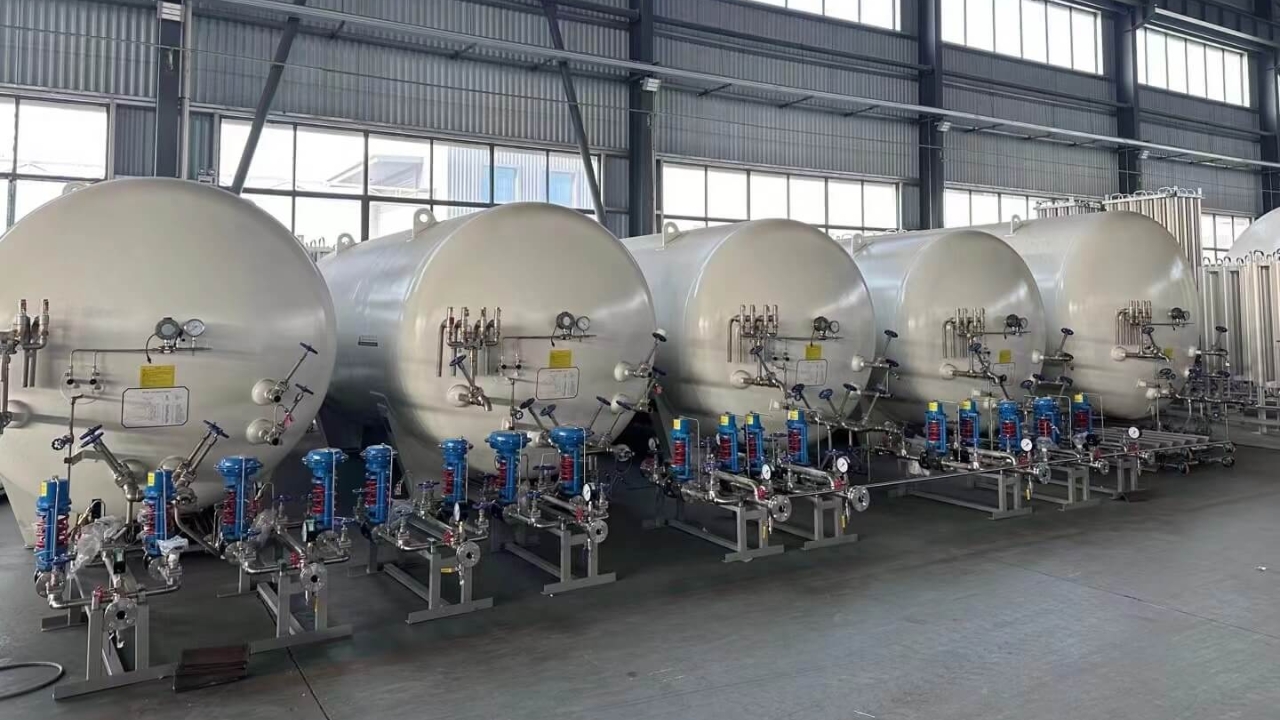
From shaping metals to creating everyday products, cryogenic tanks fuel core industrial processes.
Metal Processing & Welding
Liquid argon and nitrogen are two important industrial gases used as shielding gases in MIG and لحام TIG. They stop rusting and make the weld clean and strong. They are also used to make things out of metal and treat metal with heat.
Tool Cooling & Material Strengthening
By cooling tools or parts to very low temperatures, cryogenic treatment of metals can make them more resistant to wear and tear and last longer. Cryogenic cooling systems must be very accurate for this process.
Industrial Gas Supply
Large amounts of liquid oxygen, nitrogen, and argon are often delivered to factories and kept in cryogenic tanks on-site. For example, these gases are used to make chemicals, صب الفولاذ المقاوم للصدأ, and controlled environments for factories.
Electronics & Scientific Research
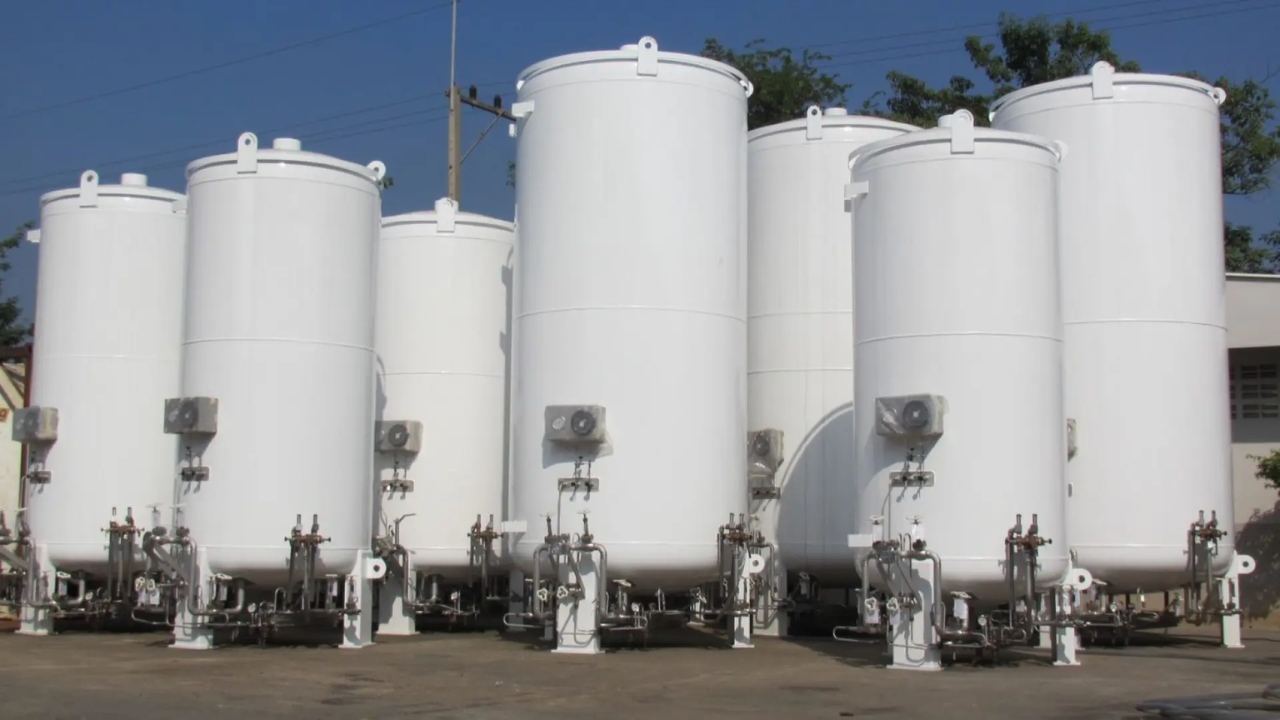
Pushing the boundaries of technology and knowledge depends on cryogenic conditions.
Semiconductor Manufacturing
Ultra-pure gases and controlled conditions are needed to make silicon wafers and microchips. During important steps of production, liquid nitrogen is used to cool things down and create inert atmospheres.
Cryogenic Research (Physics & Space)
Superconductors can only work at very low temperatures because they have no electrical resistance. Cryogenic cooling devices are important for research in quantum computing and particle accelerators like the LHC. These tanks are also used to test parts of satellites in space models.
Aerospace Propulsion
Rockets use liquid oxygen and hydrogen as propellants because they are strong and work well. Launch vehicles need huge tanks that store cold fuels until they can be ignited.
Food & Beverage Industry
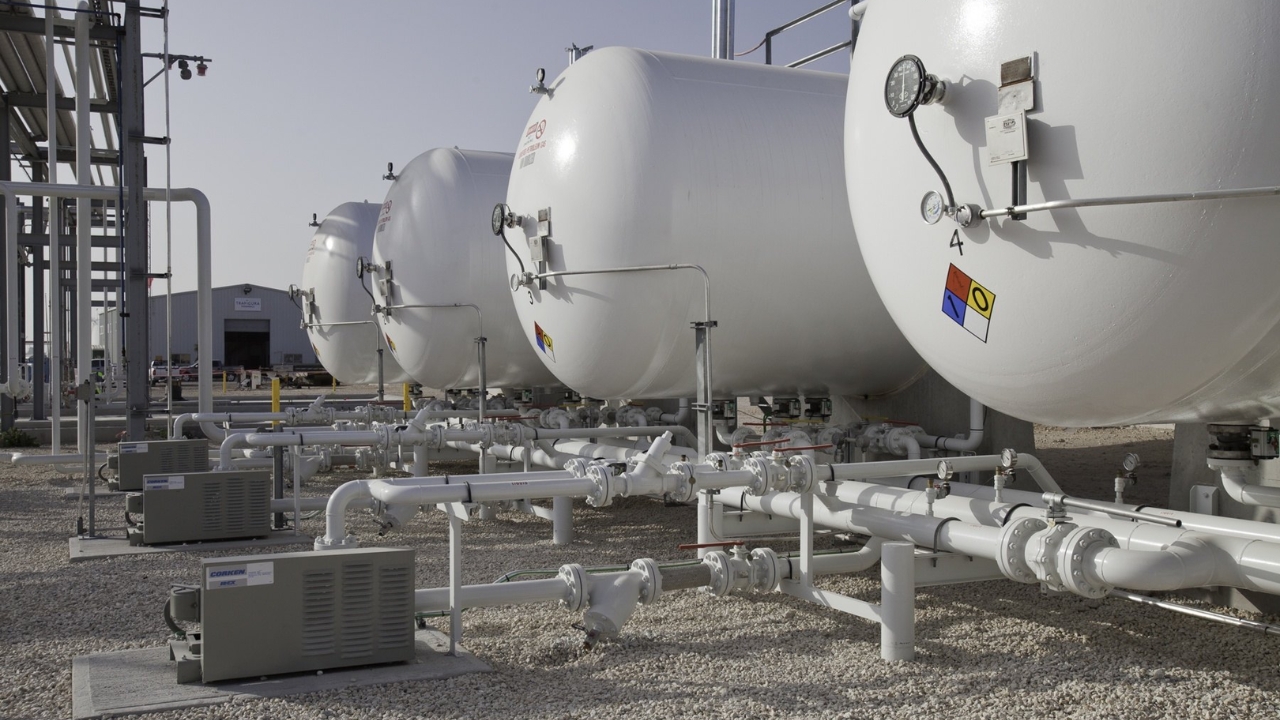
Cryogenics helps bring food from the field to your table faster and fresher.
Cryogenic Freezing
When you use liquid nitrogen or carbon dioxide, you can freeze food very quickly. This rapid cooling keeps the food’s cellular structure, texture, flavor, and nutritional worth much longer than usual because it prevents ice crystals from forming.
Cold Chain Logistics
Liquid nitrogen is used in shipping packages to keep expensive items like seafood and ice cream at very low temperatures so that the quality doesn’t change during transport. On our storage tank page, you can find out more about ways to store things in factories.
Everyday Life & Consumer Uses
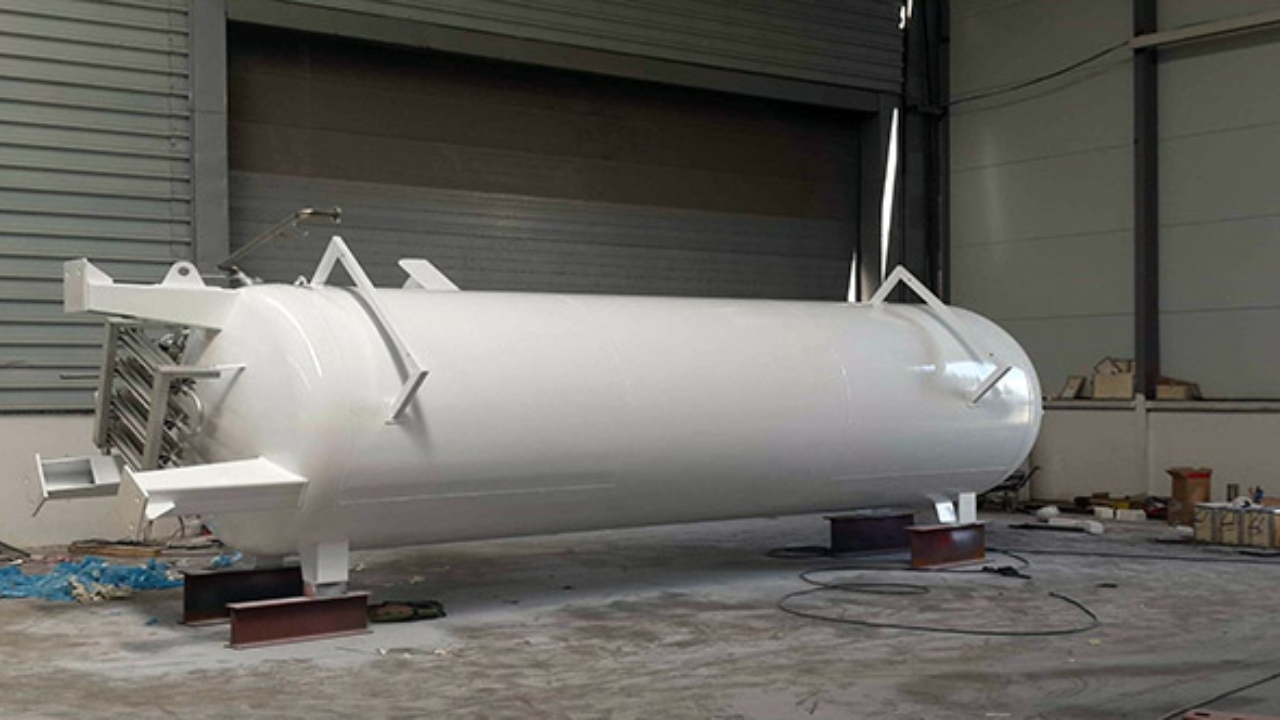
Beyond heavy industry, cryogenics touches our daily lives in surprising ways.
Specialty Gas Services
Helium Tanks for Balloons & Parties
A lot of the time, gas suppliers have large liquid helium storage systems, where party balloon helium comes from.
Cryotherapy & Wellness Services
Cryogenic Therapy Chambers: Vaporized liquid nitrogen is used in whole-body cryotherapy chambers to create short-term, ultra-cold environments. This is a hot trend in health care for sports recovery and reducing inflammation.
Pet/Animal Reproduction & Veterinary Use
Liquid Nitrogen for Semen & Embryo Storage
Cryogenic tanks and condensate tanks are used in the livestock business and veterinary sciences to keep the genetic material from valuable animals safe. This makes breeding programs easier all over the world.
Climate Research & Environmental Tech
Cryogenic Materials in Carbon Capture & Storage (CCS)
Some of the newest CCS technologies use cryogenic distillation to separate CO2 from industrial emissions and turn it into a liquid. This makes it easier to store and move underground. The use of this new and important technology to fight climate change is growing.
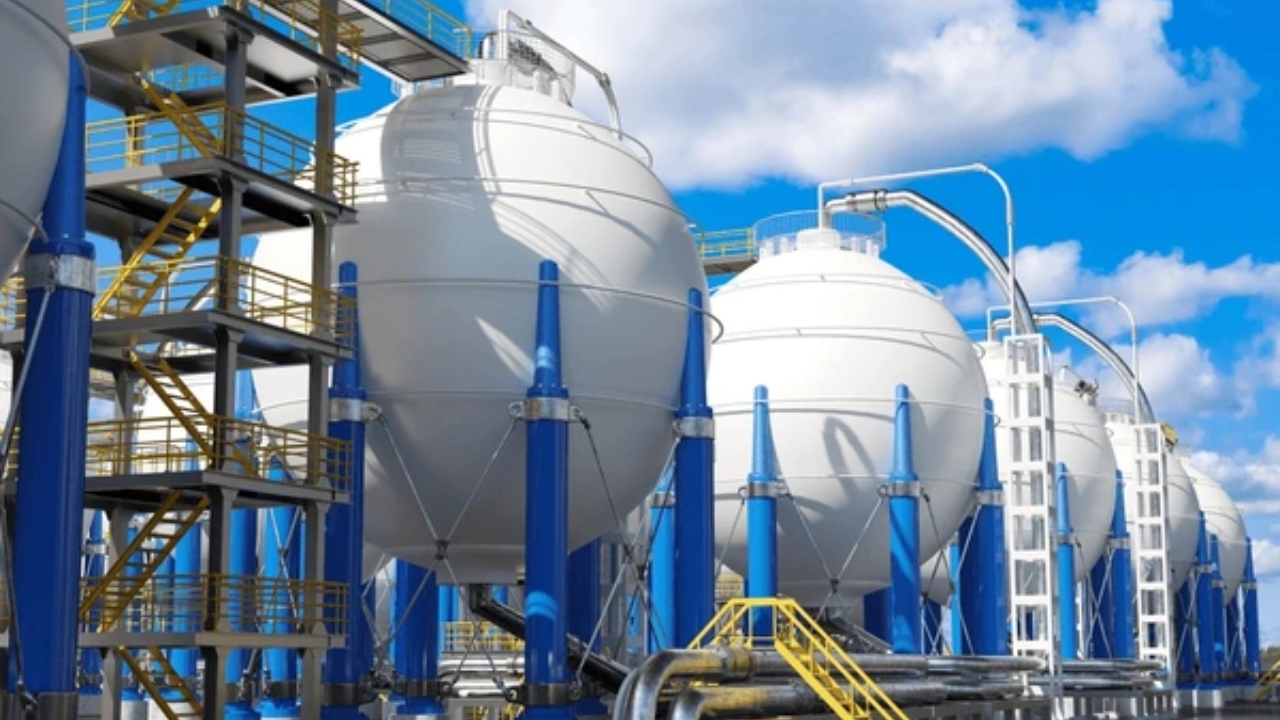
Comparison of Common Cryogenic Storage Applications
| طلب | Primary Gas/Liquid Stored | Typical Temperature Range | Key Tank Consideration |
| LNG Transport | Liquefied Natural Gas (LNG) | -162°C (-260°F) | Large-scale, durable, for road/sea transport |
| Medical Oxygen Supply | Liquid Oxygen (LOX) | -183°C (-297°F) | High purity, reliable vacuum insulation |
| Biological Storage | Liquid Nitrogen (LN2) | -196°C (-321°F) | Long hold time, vertical dewar design |
| Food Freezing | Liquid Nitrogen (LN2) | -196°C (-321°F) | Delivery system integration, safety |
| Welding Gas Supply | Liquid Argon (LAr) | -186°C (-303°F) | On-site bulk storage, vaporizer system |
| Aerospace Fueling | Liquid Hydrogen (LH2) | -253°C (-423°F) | Extreme insulation, ultra-low temp materials |
الأسئلة الشائعة
What is a cold tank used for?
For scientific, medical, and industrial uses, it safely stores and moves liquid gases at very low temperatures (usually below -150°C).
How cold do cryogenic tanks keep materials?
Different things have different temperatures, like LNG (-162°C), liquid nitrogen (-196°C), liquid oxygen (-183°C), and liquid hydrogen (-253°C).
Are cryogenic tanks dangerous?
They are designed to be very safe, but they work with dangerous chemicals. There are risks of frostbite, suffocation, and pressure building. To run them, you have to follow strict rules and protocols.
How do cold tanks help with daily life?
Yes. They make everything possible, from the oxygen in hospitals to the gas in your stove to the frozen food in the store to the tech in your phone.
What gases are stored in cryogenic tanks?
Nitrogen, oxygen, argon, methane (LNG), hydrogen, helium, and carbon dioxide are all common gases.
What keeps heat from getting into a cold tank?
The main barrier is a vacuum-insulated jacket, like a super-thermos. There is often multi-layer radiation shielding (MLI) inside the vacuum area to stop heat from moving.
Are cold tanks likely to leak or break?
Safety systems and strong design make failures rare for tank implosions, but they can happen. Vacuum loss accelerates evaporation, pressure release valve activation, and mechanical rupture are examples. Regular inspections and maintenance are needed.
Cryogenic Tanks by KDM Steel
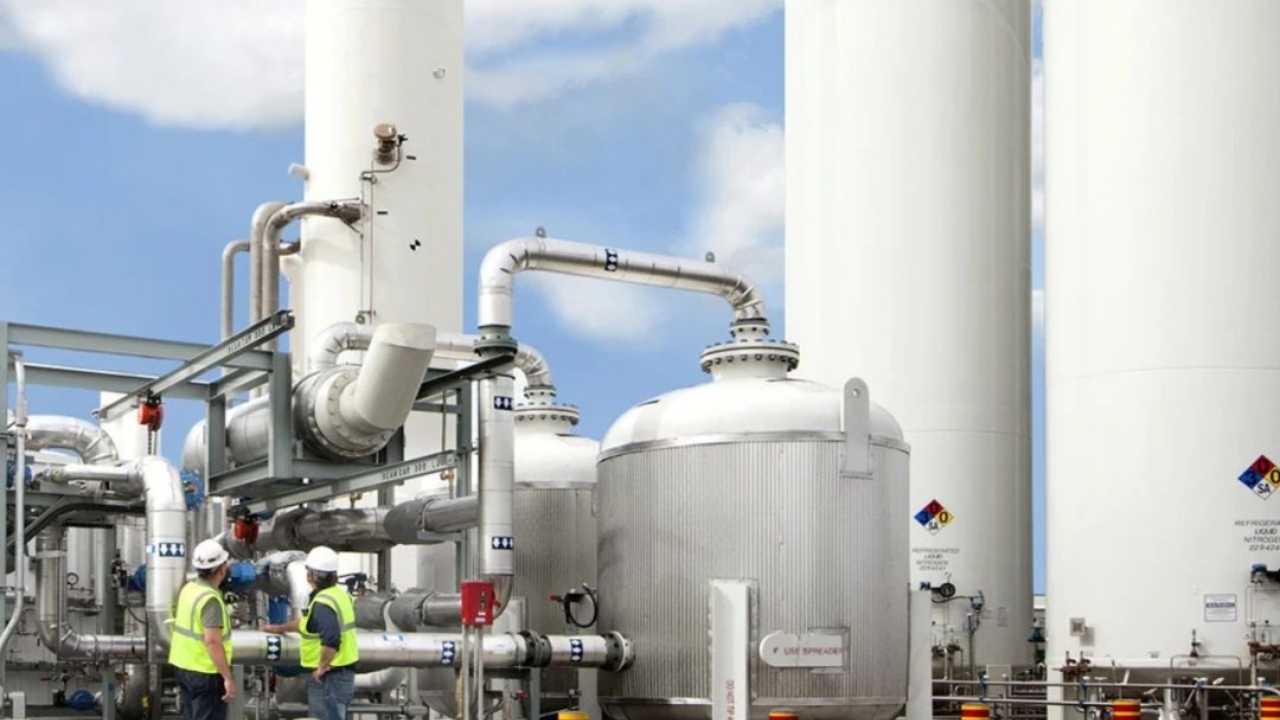
We at كيه دي إم ستيل know that the quality of the core tank in your cryogenic system is very important to its overall health. We specialize in constructing high-quality, long-lasting cold storage tank shells and pressure vessels for industrial gas storage or energy solutions. اتصل بنا now and check out our fabrication services to see how we build for tough situations.
 Arabic
  English
  French
  Spanish
  Russian
  Japanese
  Korean
  Portuguese
  Indonesian
  Chinese