


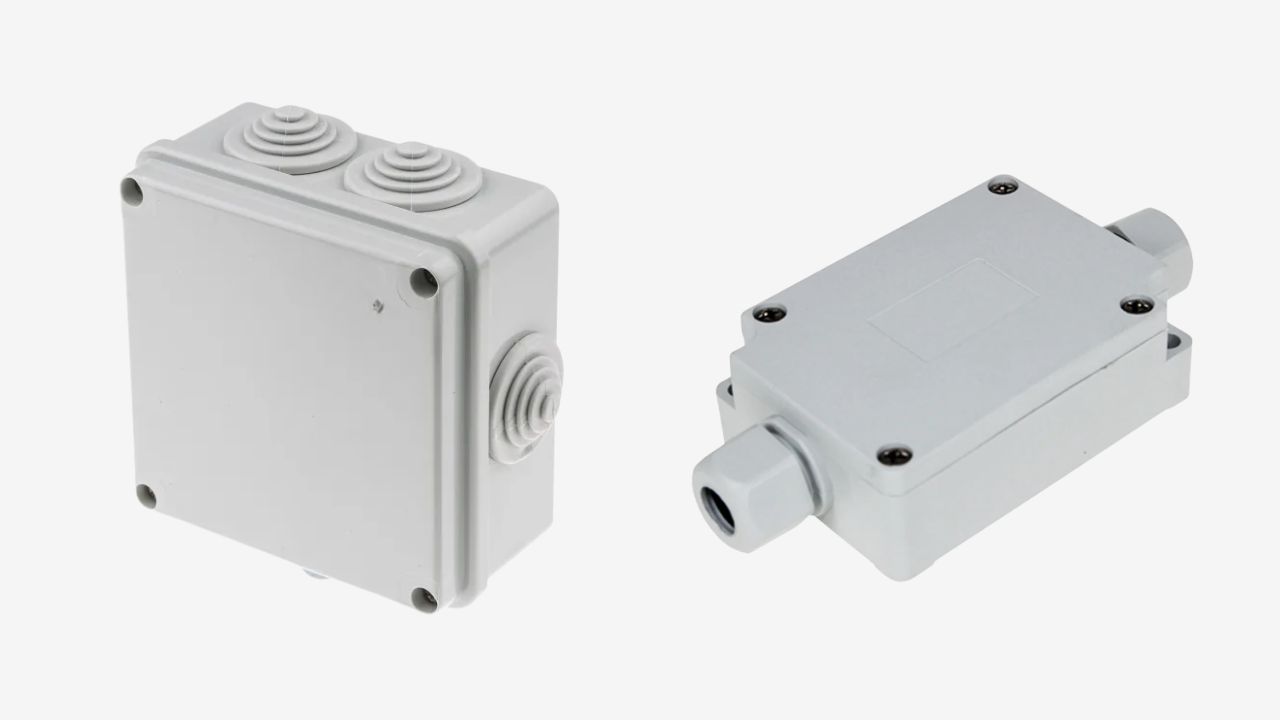
هل سبق أن فشلتَ في اختبار كهربائي بسبب خطأ في صندوق التوصيلات الكهربائية بدا غير مهم؟ لستَ وحدك. قد يكون من الصعب فهم قانون الكهرباء الوطني (NEC)، لكن اتباع قواعد صناديق التوصيلات الكهربائية ضروري للسلامة والامتثال. يُبسّط هذا الدليل الجوانب الكهربائية. جومعايير كود NEC لصناديق الوظائف والتي يجب عليك اتباعها للتأكد من إنجاز المهمة بشكل صحيح، والحفاظ على سلامة فريقك، واجتياز كل اختبار بسهولة.
ما هو صندوق التوصيلات الكهربائية؟
ضع في اعتبارك الكهرباء صندوق الوصلات يُعد هذا الصندوق بمثابة بطل أي نظام أسلاك. تُحفظ جميع وصلات الأسلاك وتوصيلاتها بأمان داخله، وهو مصنوع عادةً من المعدن أو البلاستيك. وكإجراء وقائي ضد الحرائق، تتمثل وظيفته الرئيسية في منع الشرر والحرارة والدوائر القصيرة من التسبب في حرائق في المبنى. تُعد هذه الصناديق ضرورية للحفاظ على شبكة الكهرباء آمنة ومنظمة، سواء كنت تقوم بتوصيل أسلاك منزل أو... مصنع.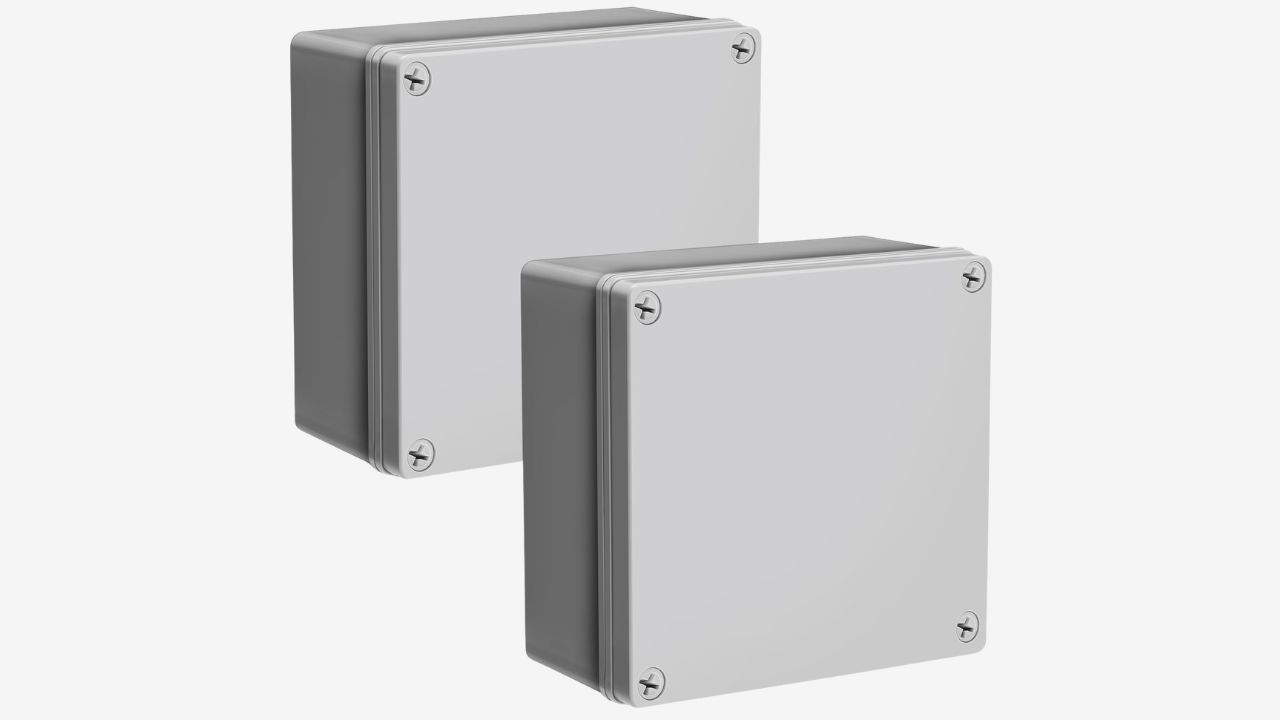
أهم 12 قاعدة يجب عليك اتباعها عند التعامل مع صناديق التوصيل الكهربائية
استخدم دائمًا صندوق توصيل لوصلات الأسلاك
وفقًا للمادة 300.15 من قانون الكهرباء الوطني (NEC)، يجب حفظ جميع وصلات الأسلاك في صندوق توصيل مناسب. قد تتسبب النهايات غير المحكمة في الوصلات المكشوفة بشرارة كهربائية واشتعال النيران في المواد المجاورة، مما يشكل خطرًا كبيرًا للحريق. يتم احتواء هذه الأعطال المحتملة في صندوق توصيل موضوع بشكل صحيح، مما يحمي هيكل المبنى والأشخاص الذين يعيشون أو يعملون فيه. لا توجد استثناءات لهذه القاعدة الأساسية: عند توصيل سلكين، يجب استخدام صندوق توصيل معتمد.
تأكد من اختيار الحجم المناسب للصندوق (قاعدة سعة تعبئة الصندوق)
يتطلب معيار NEC 314.16 تقديرات دقيقة لحجم صندوق التوصيل لتجنب الاكتظاظ الخطير. فكثرة الموصلات تولد حرارة وتصعّب وضع الأجهزة، مما قد يُتلف عازل الأسلاك. لذا، عليك تحديد الحجم بالبوصة المكعبة التي يتسع لها صندوق التوصيل، مع مراعاة جميع الأسلاك والأجهزة والوصلات. تُدوّن الشركات المصنّعة سعة كل صندوق داخله؛ لذا احرص دائمًا على التحقق من هذه الأرقام. وعندما تقترب التقديرات من السعة القصوى، يُنصح باختيار صندوق توصيل أكبر.
الحفاظ على الحد الأدنى لطول الموصل الحر
يجب أن يمتد السلك الحر ست بوصات على الأقل من فتحة الصندوق، وفقًا لـ NEC 300.14. يضمن هذا المعيار توفير مساحة كافية لوصلات موثوقة، وتوصيلات جيدة، وإمكانية إجراء أي تغييرات مستقبلية. يُعدّ هذا الشرط مفيدًا للغاية أثناء الصيانة، خاصةً في التطبيقات الصناعية التي تستخدم حاويات كبيرة الحجم من الشركات. كما أن القياسات الدقيقة خلال مرحلة التأسيس تمنع تحوّل منطقة العمل إلى بيئة عمل غير آمنة وخطيرة لاحقًا.
احرص دائمًا على سهولة الوصول إلى صناديق التوصيل
وفقًا للمادة 314.29 من قانون الكهرباء الوطني (NEC)، يجب أن تكون جميع صناديق المفاتيح الكهربائية قابلة للوصول دون الحاجة إلى إزالة أي أجزاء من المبنى. يُحظر إخفاء الصناديق خلف ألواح الجبس أو الألواح الثابتة أو أسقف معلقة. ولتسهيل عمليات الصيانة والإصلاحات وتحديثات النظام مستقبلًا، يجب أن تكون جميع الوصلات والوصلات سهلة الوصول. ضع الصناديق في أماكن يسهل الوصول إلى أغطيتها، مما يضمن سهولة استخدامها في أعمال الكهرباء المستقبلية.
قم بتركيب أغطية مناسبة على جميع صناديق التوصيل.
بمجرد إنجاز العمل، كل صندوق توصيل من أنواع مختلفة يجب أن يكون الغطاء أو اللوحة الأمامية أو الغطاء المناسب وفقًا للمادة 314.25 من قانون الكهرباء الوطني. تمنع الأغطية انتشار الأقواس الكهربائية المحتملة، وتحمي من لمس الأجزاء الموصلة للتيار الكهربائي عن طريق الخطأ، وتمنع دخول الملوثات. يجب توخي الحذر عند اختيار البراغي، فبراغي الجدران الجافة غير مقبولة. يجب تثبيت الأغطية فقط ببراغي آلية تتوافق مع مقياس سنّ العلبة أو بمسامير التثبيت الأصلية من الشركة المصنعة. هذا يضمن الدعم المناسب والموثوقية على المدى الطويل.
تأكد من التأريض السليم
وفقًا للمادة 250.148 من قانون الكهرباء الوطني (NEC)، يجب توصيل جميع موصلات تأريض الأجهزة وربطها بصندوق التوصيل المعدني نفسه. يُنشئ هذا مسارًا لتيار العطل يمتد إلى الأرض، ناقلًا الطاقة الخطرة إليها بأمان. للتوصيلات، تحتاج إلى براغي تأريض خضراء مُصممة لهذا الغرض، أو مشابك تأريض مُدرجة في القائمة، أو أي أجهزة تأريض أخرى مُعتمدة. مع أن الصناديق البلاستيكية غير موصلة للكهرباء، إلا أنه لا يزال يتعين تأريض أي أجهزة إلكترونية موضوعة بداخلها عبر الدائرة، أي سلك التأريض.
استخدم النوع المناسب من صندوق التوصيل
وفقًا للمادة 314.15 من قانون الكهرباء الوطني (NEC) والأقسام ذات الصلة، يجب أن يكون غلاف التوصيلات الكهربائية مناسبًا للغرض المطلوب. لا تتحمل علب التوصيلات القياسية الاهتزازات والأحمال الديناميكية، لذا يجب استخدام العلب التي تحمل عبارة "مناسبة لدعم مراوح السقف" عند تركيبها. تحتاج المناطق المعرضة للأمطار الغزيرة إلى أغطية مقاومة للماء. في حال اختيار علب غير مناسبة، ستتعطل أدواتك، وسيصدأ المعدن، وستخالف القواعد حتمًا أثناء التفتيش.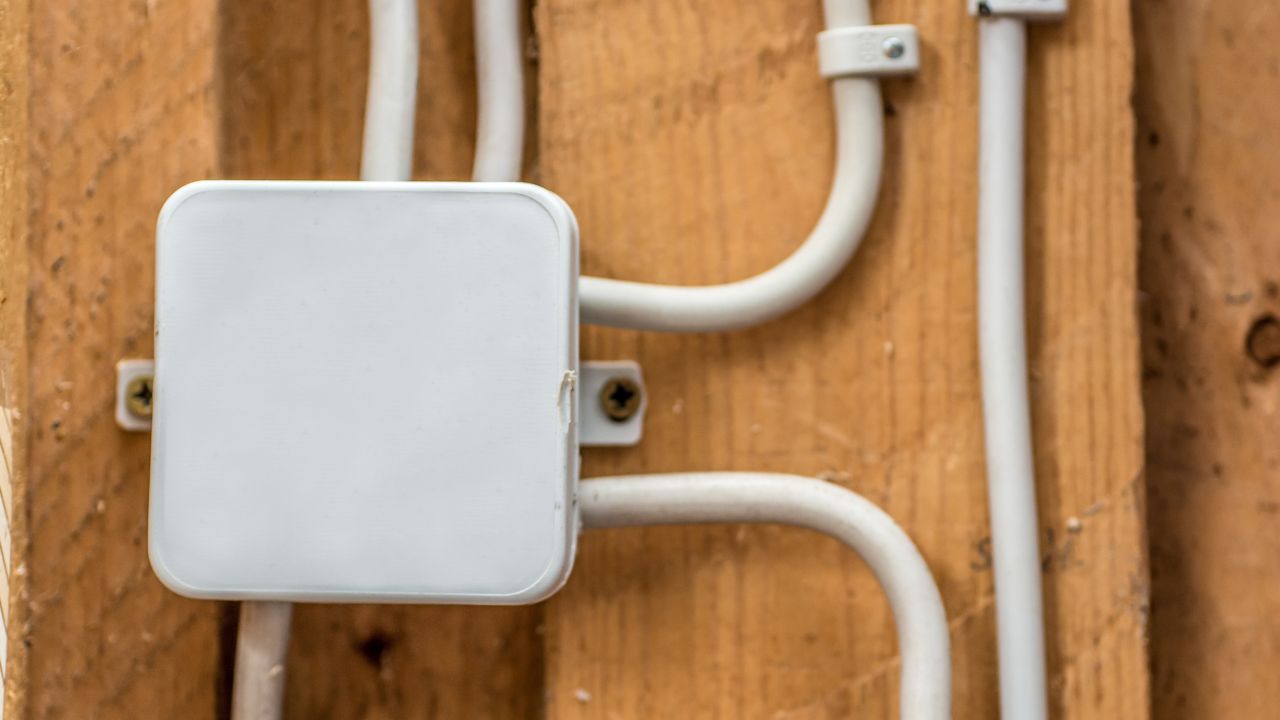
الالتزام بمتطلبات المساحة المخصصة للعمل والتخليص الجمركي
يشترط البند 314.29 من قانون الكهرباء الوطني (NEC) سهولة الوصول إلى صناديق التوصيل، بينما يشترط البند 110.26 اختبار المعدات الكبيرة. يجب ألا تعيق أماكن التخزين أو اللوحات أو التركيبات الدائمة عملية إزالة الغطاء أو إجراء الإصلاحات. عند استخدام حاويات KDM Steel شديدة التحمل في البيئات الصناعية التي تضم خطوط إنتاج ومستودعات تخزين ومناطق مناولة مواد، من المهم تخطيط مساحات العمل بحيث يتمكن فنيو الصيانة من إصلاح الأعطال بسرعة. كما تعتمد المصانع على أنظمة متينة. منصات بلاستيكية لتبسيط عملية دوران المخزون وضمان التخزين الآمن للبضائع داخل مناطق العمل الخاضعة للتنظيم. في حال تعطلت عملية التغطية، فإن التركيب لا يفي بمتطلبات الكود، حتى مع اتخاذ خطوات الامتثال الأخرى.
قم بتثبيت صندوق التوصيل بشكل آمن وصحيح
وفقًا للمادة 314.23 من قانون الكهرباء الوطني (NEC)، يجب تثبيت جميع الصناديق بشكل آمن ومنفصل على أساسات المبنى. لا يوفر استخدام ألواح الجبس وحدها الدعم الكافي، ويُعدّ ذلك مخالفة. يجب استخدام أقواس التثبيت المصنعية للتثبيت المباشر على الدعامات أو العوارض في المباني الجديدة. أما في عمليات التحديث، فيلزم استخدام صناديق إعادة تصميم مناسبة مع المشابك الملائمة. في المنشآت الصناعية، يجب تثبيت صناديق الحديد الزهر بمسامير تثبيت أو مسامير نافذة في الفولاذ الصلب. يضمن ذلك ثبات الصناديق على المدى الطويل وحماية الموصلات.
استخدم الموصلات والوصلات المعتمدة
كل سلك يدخل في صندوق التوصيل يحتاج إلى وصلة أو موصل مناسب. عند إدخال الكابلات المعدنية في صناديق معدنية، تكون فتحات التوصيل حادة الحواف، مما قد يُتلف العازل. تعمل الموصلات على جعل هذه الفتحات ناعمة وتُثبّت الكابلات في مكانها. أما الكابلات غير المعدنية ذات الغلاف، فتحتاج إلى مشابك تُثبّت الغلاف دون إتلافه. وفقًا للمادة 300.12 من قانون الكهرباء الوطني (NEC) والأقسام المشابهة، تحافظ الوصلات المناسبة على سلامة الموصلات وتمنع إجهاد السحب طوال عمر التركيب.
حماية صناديق التوصيل في الأماكن الرطبة أو الخطرة
وفقًا للمادة 314.15 من قانون الكهرباء الوطني (NEC)، يُحدد الموقع نوع القفص المستخدم. يلزم استخدام صناديق مقاومة للعوامل الجوية ذات أغطية محكمة الإغلاق في الأماكن الرطبة لمنع تسرب المياه. (المادتان 500 و516 من قانون الكهرباء الوطني). يجب تغطية الأماكن الخطرة مثل مصانع الكيماويات وصوامع الحبوب ومرافق الطلاء. تتطلب هذه الأماكن عادةً حاويات مقاومة للانفجار مزودة بمصادر اشتعال داخلية. في هذه الحالات، تتعطل الصناديق الداخلية القياسية بسرعة وتشكل مخاطر أمنية كبيرة.
لا تتهاون في متطلبات السلامة من الحرائق
تحتوي صناديق التوصيل على أقواس كهربائية وشرارات تمنع نشوب الحرائق في المواد القابلة للاشتعال عند وضعها بشكل صحيح. تتطلب العناصر المقاومة للحريق والتي تخترق الجدران عناية خاصة. قد تحتاج الجدران والأسقف المقاومة للحريق إلى استخدام معجون أو مواد مانعة للتسرب. تعمل هذه المواد على استعادة مقاومة التركيب للحريق بعد تغليفه. لا تغفل هذه المتطلبات أبدًا، فالسلامة من الحرائق تحمي الأفراد والممتلكات لفترة طويلة بعد الفحص.
أخطاء شائعة يجب تجنبها في صناديق التوصيل الكهربائية
ازدحام الأسلاك
وضع عدد كبير جدًا من الأسلاك في علبة التوصيل سيؤدي إلى مشاكل. فهو يُولّد حرارة، ويُتلف العازل أثناء التركيب، ويُصعّب إصلاح المشاكل لاحقًا. قبل البدء بسحب الأسلاك، يجب دائمًا تقدير حجم علبة التوصيل. إذا كانت صغيرة جدًا، فاستخدم علبة أكبر حجمًا.
الصناديق المخفية أو المدفونة
من الخطأ تمامًا تغطية علبة التوصيل بالجبس أو الخشب أو البلاط. فبعد الانتهاء من بناء الجدار، لن تكون هذه العلبة متاحة مرة أخرى. سيشتكي إليك من يشتري المنازل أو يعمل في مجال الكهرباء مستقبلًا عندما لا يجد هذه الوصلات أو لا يستطيع الوصول إليها. لذا، احرص دائمًا على أن تكون علب التوصيل سهلة الوصول.
أغلفة مفقودة
من الخطورة وعدم المهنية ترك صندوق مفتوح في موقع العمل. فهذا يُعرّض أطراف التوصيل الكهربائية للمس عن طريق الخطأ، ويسمح بدخول الغبار والحشرات وغيرها من الشوائب إلى الوصلات وتلويثها. لذا، يجب إغلاق الغطاء بإحكام في نهاية كل عملية.
ضعف التأريض
إذا نسيتَ تأريض الصندوق المعدني، فسيكون عرضةً للاشتعال. في حال حدوث تماس كهربائي بين سلك كهربائي ساخن والصندوق، سيتولد شحن كهربائي في جميع أجزاء الصندوق ولن يتمكن من التأريض. لذا، خصص دقيقة إضافية لتثبيت مشبك أو برغي التأريض الأخضر في مكانه.
استخدام نوع صندوق خاطئ
يُعدّ تركيب علبة توصيل عادية لمروحة السقف أو استخدام علبة داخلية خارجية من الأخطاء الشائعة التي يقع فيها المبتدئون. فإذا اخترت العلبة الخاطئة، فقد تتعطل تلقائيًا أو يتسرب منها الماء. لذا، قبل التركيب، تأكد دائمًا من أن العلبة مُصممة للاستخدام الصحيح.
تركيب غير محكم
الصناديق التي تتحرك عند توصيل سلك كهربائي أو إزالة الغطاء ليست مصنوعة بجودة عالية. قد يؤدي تحركها إلى تلف عازل الأسلاك وانقطاع التوصيلات مع مرور الوقت. لذا، ثبّت الصناديق بإحكام في المبنى لضمان بقائها ثابتة لعقود.
أفضل الممارسات لتركيب صناديق التوصيل الكهربائية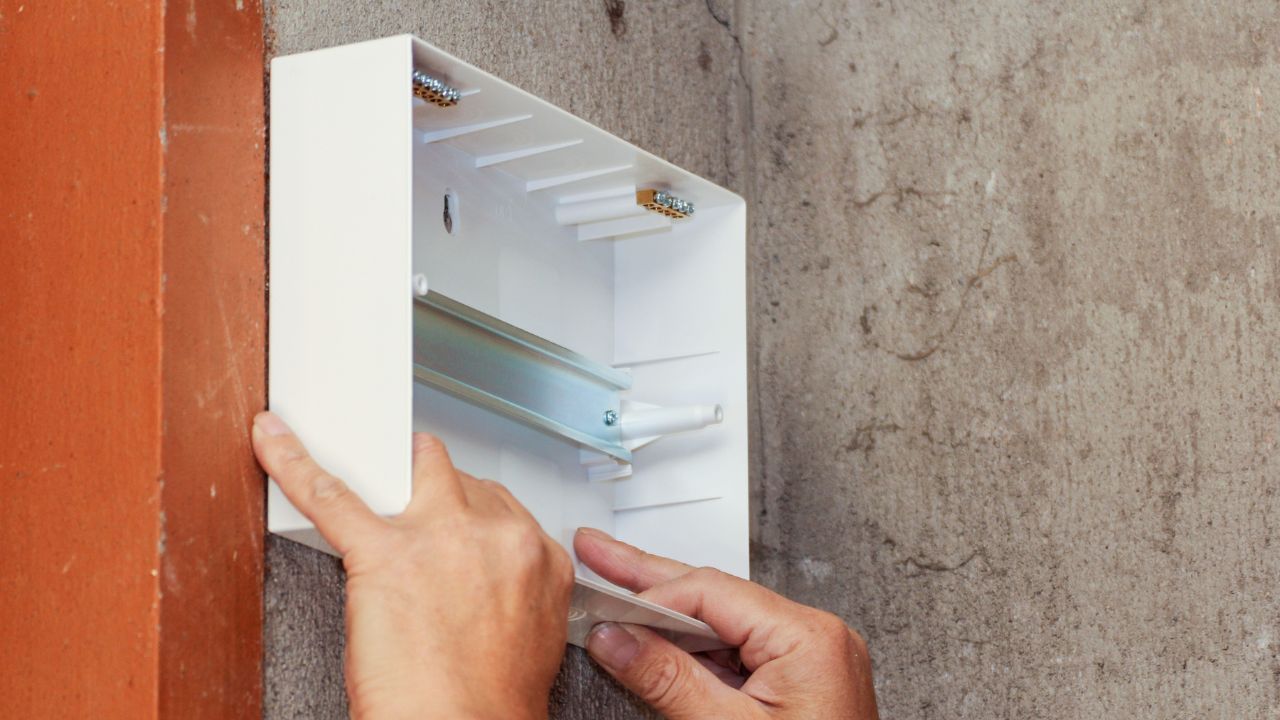
تحديد موضع صندوق التخطيط قبل التمديدات الكهربائية
خطط مسبقًا لأماكن وضع المفاتيح والمقابس ونقاط التوصيل. قبل البدء بالتوصيلات الكهربائية، حدد مواقع الدعامات الخشبية وارتفاع علب التوصيل. سيوفر لك التخطيط المسبق الكثير من الوقت والجهد، ويضمن وصول علب التوصيل إلى أماكنها الصحيحة.
قم بتسمية الدوائر بوضوح
يُعدّ وضع ملصقات على الجزء الداخلي من أغطية صناديق التوصيل فكرة جيدة تُؤتي ثمارها على المدى البعيد، حتى وإن لم يكن ذلك مطلوبًا بموجب القانون. فملاحظة بسيطة تُبيّن الدائرة الكهربائية التي يتصل بها الصندوق أو وظيفته تُساعد العاملين الجدد على حلّ المشكلات بسرعة ودون الحاجة إلى التخمين.
اترك طولًا إضافيًا للسلك
ينصّ القانون على ترك مسافة ست بوصات، ولكن من الأفضل دائمًا ترك مسافة أطول قليلاً. فالأسلاك الطويلة أسهل في التوصيل، كما أنها توفر مساحة كافية للعمل إذا احتجت إلى إزالة العازل التالف لاحقًا. فقط احرص على عدم ترك مسافة كبيرة جدًا حتى لا يمتلئ الصندوق.
استخدم أغلفة عالية الجودة
قد تنثني الصناديق الرخيصة أو تنكسر أو تحتوي على ثقوب براغي غير مناسبة. إذا اشتريت حاويات جيدة من شركات موثوقة مثل KDM Steel، فستدوم صناديقك طوال فترة التركيب وطوال عمر المبنى. الجودة مهمة.
بالنسبة للتطبيقات الصناعية التي تتطلب مكونات معدنية دقيقة، فإن عمليات التصنيع المناسبة مثل خدمات التصنيع باستخدام الحاسب الآلي يساعد ذلك على ضمان أبعاد موثوقة وجودة متسقة.
اتبع تعليمات الشركة المصنعة
تحتوي كل علبة توصيل على تعليمات من الشركة المصنعة توضح كيفية تركيبها، وسعتها بالبوصات المكعبة، واستخداماتها. اقرأ هذه التعليمات جيدًا. باتباع هذه الخطوات، ستلتزم بالتعليمات وتضمن عمل العلبة على النحو الأمثل.
خاتمة
يجب على كل فني تركيب ماهر معرفة قواعد صناديق التوصيل الكهربائية. باتباع قواعد NEC وشراء صناديق توصيل جيدة من شركات موثوقة مثل KDM Steel، يمكنك ضمان أن تكون أنظمتك آمنة وقانونية ومصممة لتدوم طويلاً. كيه دي إم ستيل تصنع تصميمات متينة ومتوافقة مع المعايير يمكنك الاعتماد عليها، سواء كنت بحاجة إلى صناديق صناعية متينة أو حاويات تجارية موثوقة. اتصل بنا احصل على عرض أسعار مخصص لك اليوم.
الأسئلة الشائعة
هل يُسمح قانونًا بإخفاء صندوق التوصيلات خلف الجدران الجصية أو السقف؟
بالتأكيد لا. وفقًا للمادة 314.29 من قانون الكهرباء الوطني، يجب أن يكون الوصول إلى جميع صناديق التوصيل ممكنًا دون الحاجة إلى هدم أي جزء من المبنى.
كم عدد الأسلاك المسموح بها داخل صندوق التوصيل؟
وفقًا لحسابات NEC 314.16، يختلف الرقم تبعًا لحجم صندوق التوصيل بالبوصة المكعبة وقطر الأسلاك. يجب مقارنة الحجم المطبوع على الصندوق مع كل موصل وجهاز ووصلة.
هل تحتاج جميع صناديق التوصيل إلى غطاء؟
بحسب المادة 314.25 من قانون الكهرباء الوطني، يجب أن يكون لكل صندوق دائرة كهربائية غطاء. تحمي الأغطية من دخول الملوثات، وتمنع دخول الشرر، وتحمي من اللمس العرضي.
هل صناديق التوصيل البلاستيكية أكثر أماناً من الصناديق المعدنية؟
لا يُعدّ أيٌّ منهما بالضرورة أكثر أمانًا؛ إنما يُستخدمان لأغراض مختلفة. فالصناديق البلاستيكية لا تُوصّل الكهرباء وتُناسب المنازل. أما الصناديق المعدنية، فهي أقوى وأفضل في التأريض بالنسبة للشركات والمؤسسات الصناعية.
ما هي متطلبات الخلوص حول صناديق التوصيل؟
ينصّ البند 314.29 من قانون الكهرباء الوطني (NEC) على أن سهولة الوصول هي الأهم. يجب أن يكون الغطاء قابلاً للفتح دون الحاجة إلى أي إصلاحات. ويتضمن البند 110.26 من قانون الكهرباء الوطني (NEC) تدابير محددة لمناطق العمل في الحاويات الكبيرة.
هل يلزم وضع ملصقات داخل صناديق التوصيل؟
لا يشترط قانون الكهرباء الوطني (NEC) دائمًا وضع ملصقات على الأسلاك داخل صناديق التوصيل العادية. ومع ذلك، يُعدّ وضع ملصقات على الأسلاك فكرة رائعة ستوفر الوقت والجهد على الكهربائيين في المستقبل.
ما الفرق بين صندوق التوصيل وصندوق المخرج؟
تُستخدم علبة التوصيل لربط الأسلاك معًا، بينما تُستخدم علبة المخرج لتخزين الأجهزة مثل المفاتيح أو المقابس. في الواقع، غالبًا ما يُستخدم المصطلحان للإشارة إلى الشيء نفسه، ومعظم العلب تؤدي كلا الوظيفتين.
هل يمكن إعادة استخدام صندوق التوصيلات القديم أثناء أعمال التجديد؟
نعم، يمكنك استخدام صندوق التوصيل مرة أخرى إذا كان لا يزال بحالة جيدة وخالياً من الشقوق أو أي تلف آخر. فقط تأكد من أنه يتحمل الأسلاك الجديدة وأن جميع وصلات التأريض سليمة.
هل صناديق التوصيل ضرورية في المنشآت الصناعية؟
نعم، نظراً لقواعد السلامة والمخاوف البيئية، غالباً ما تخضع المواقع الصناعية لمعايير أكثر صرامة. وتُستخدم عادةً حاويات شديدة التحمل من الشركات في ورش العمل وغيرها من البيئات القاسية.
 Arabic
  English
  French
  Spanish
  Russian
  Japanese
  Korean
  Portuguese
  Indonesian
  Chinese