


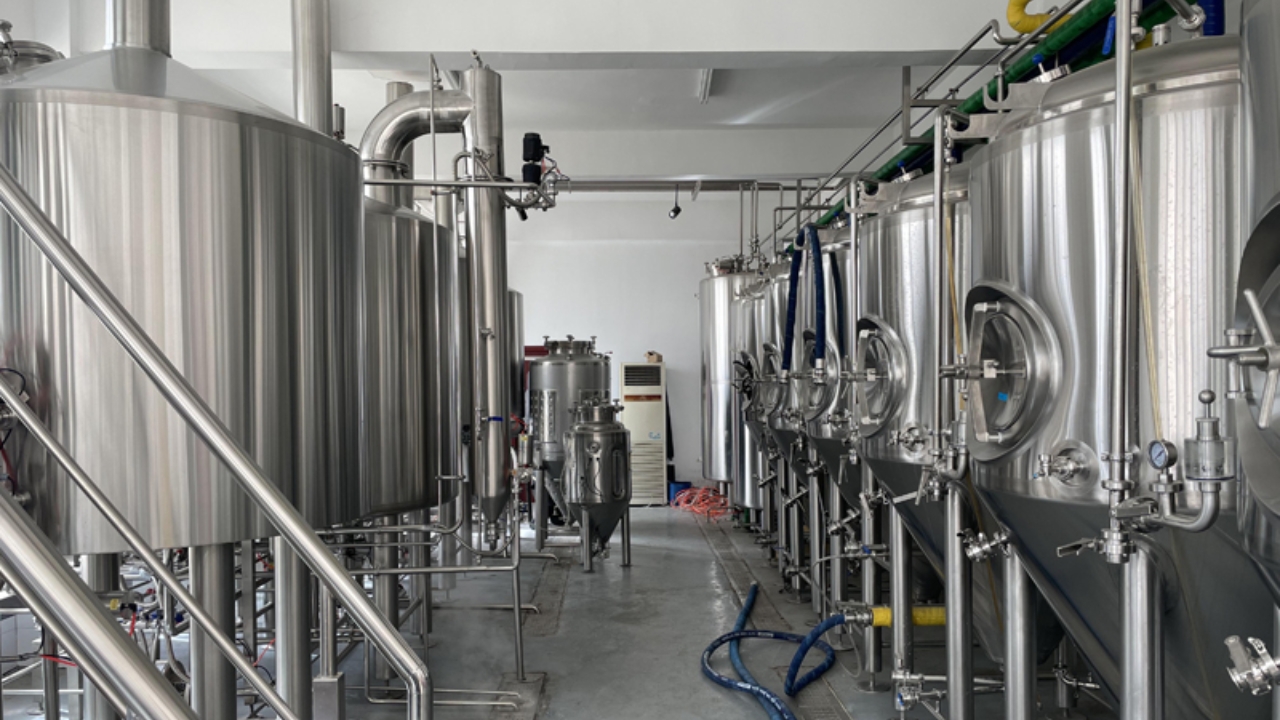
لكي تنجح شركات التخمير الصناعية، يجب أن تتسم بالكفاءة والاتساق والقدرة على النمو. غالبًا ما يُنظر إلى خزان الماء الساخن على أنه مجرد مكان لتخزين الماء، ولكنه في الحقيقة القلب الحراري لمصنع التخمير بأكمله. إن إتقان عمليات خزان الماء الساخن سيؤتي ثماره، سواء كنت تخطط لتركيب خزان جديد أو تستفيد إلى أقصى حد من المعدات الموجودة لديك.
ما هو خزان الماء الساخن؟
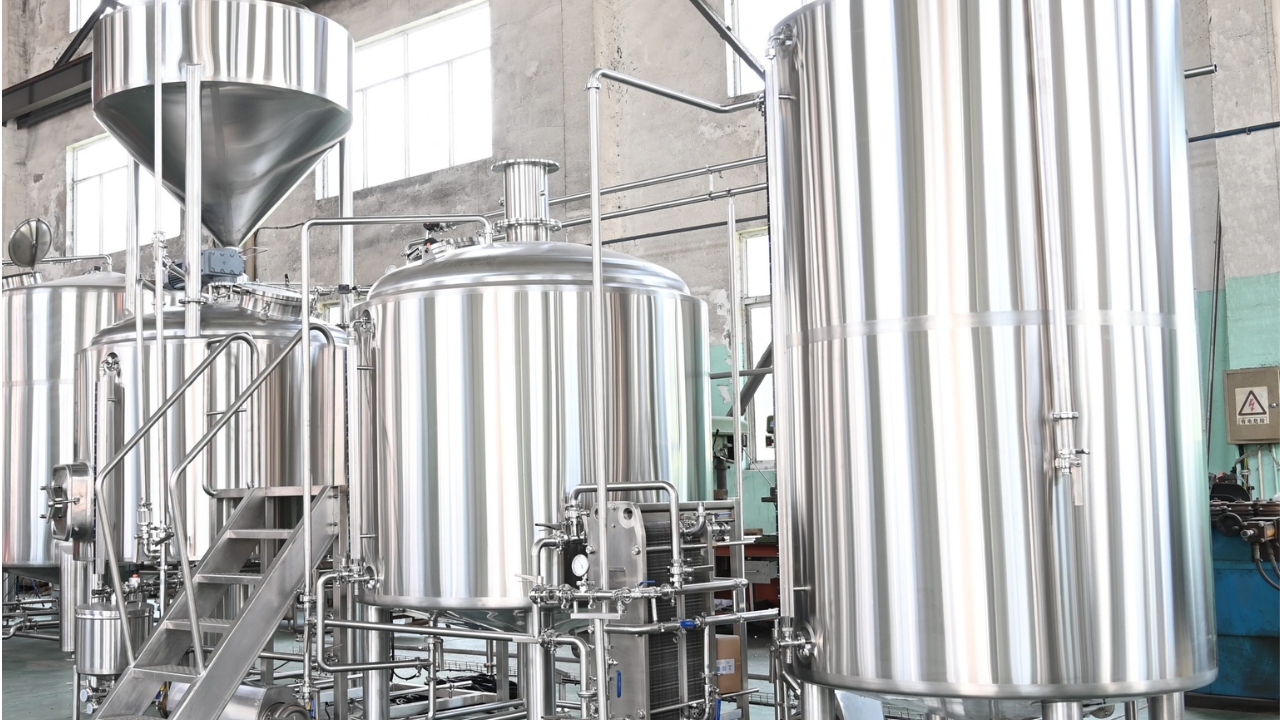
أ "“خزان الماء الساخن”خزان الماء الساخن (HLT) هو وعاء خاص لتسخين وحفظ ماء التخمير، والذي يُطلق عليه عادةً اسم "الماء السائل" في عالم صناعة البيرة. يحافظ خزان الماء الساخن المصمم خصيصًا على الماء الساخن عند درجة الحرارة المناسبة لعملية الهرس وشطف السكريات من الحبوب، على عكس الأوعية متعددة الوظائف. بالنسبة لمصانع البيرة الكبيرة، يسمح خزان الماء الساخن بتدفق عمل متوازٍ، مما يعني إمكانية تسخين الماء للدفعة التالية أثناء عملية الهرس للدفعة الحالية. هذا يقلل من وقت التخمير ويزيد من كمية البيرة التي يمكن إنتاجها يوميًا.
تقنيات التخمير التي يجب على كل صانع جعة معرفتها
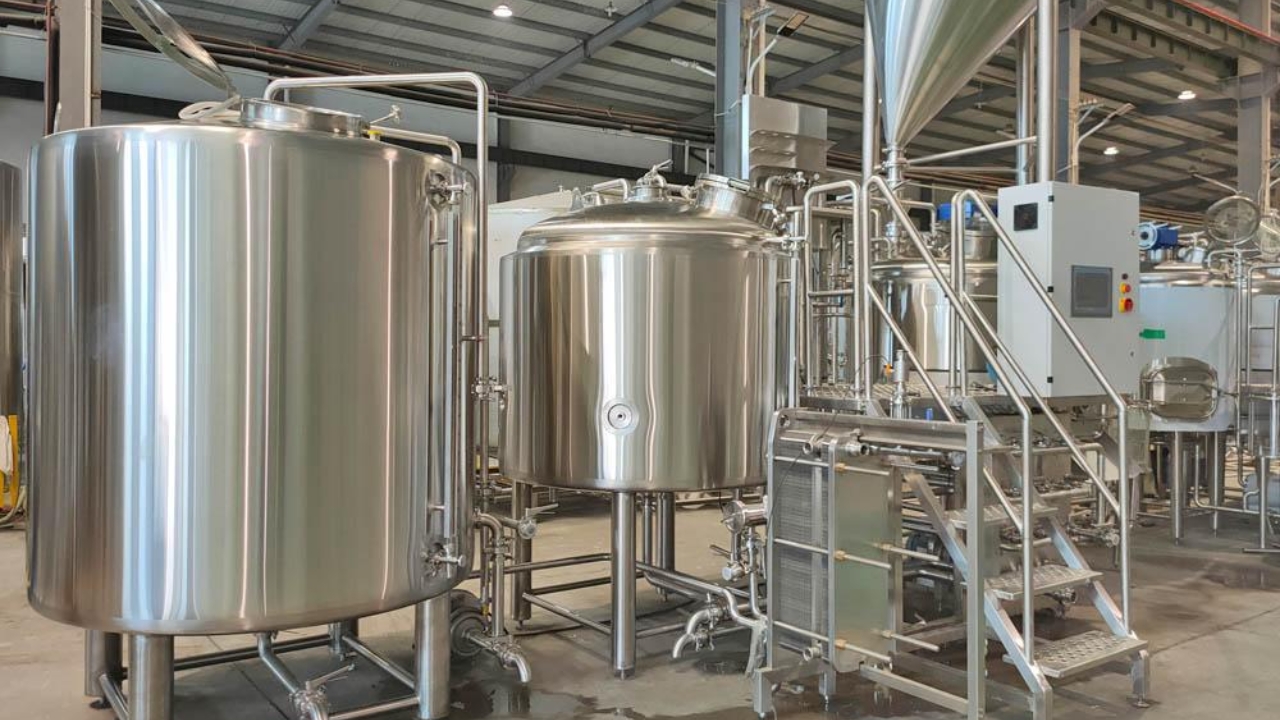
1. تسخين الماء السائل بشكل صحيح
تؤثر طريقة الطهي على مدة التحضير وتكلفته. وتُعدّ المواقد الكهربائية، ومواقد الغاز المباشرة، وأغلفة البخار الخيارات الرئيسية الثلاثة. يُعدّ استخدام الكهرباء سهلاً، ولكنه مكلف عند استخدامه بكميات كبيرة. يُسخّن الغاز الطعام بسرعة أكبر وبتكلفة تشغيل أقل. أما البخار فهو أفضل طريقة لتسخين الطعام ببطء وبشكل متساوٍ، ويستهلك طاقة أقل من أي طريقة أخرى في المصانع التي تنتج أكثر من 10,000 برميل من النفط سنوياً.
2. التحكم الدقيق في درجة الحرارة
تعتمد جودة عملية التخمير بشكل مباشر على استقرار درجة الحرارة في خزان الماء الساخن. تُستخدم وحدات التحكم PID في أنظمة الإنتاج الحديثة للحفاظ على درجة الحرارة ضمن نطاق 0.5 درجة مئوية من القيمة المحددة. تؤثر درجة حرارة ماء التخمير على نشاط الإنزيمات أثناء عملية التخمير، بينما تؤثر درجة حرارة ماء الغسل على كفاءة عملية الاستخلاص. تتيح لك الملفات القابلة للبرمجة ضبط درجة حرارة الماء لأنواع مختلفة من البيرة دون الحاجة إلى أي تدخل يدوي. خزان الماء الساخن هو أساس نجاح خطة الإنتاج.
3. التكامل مع أنظمة إدارة الطاقة الحرارية وأنظمة تبادل الحرارة
يُغيّر دمج نظام HERMS طريقة التحكم في درجة حرارة عملية التخمير. إذ يقوم ملف فولاذي مقاوم للصدأ داخل خزان الماء الساخن (HLT) بإعادة تدوير نقيع الشعير من وعاء التخمير، مستخدمًا ماء خزان الماء الساخن لتسخينه ببطء أثناء عملية التحلل السكري. هذا يُزيل خطر الاحتراق الذي يُصاحب استخدام أوعية التخمير ذات التسخين المباشر، مع الحفاظ على عمل الإنزيمات. يُمكن إضافة مبادلات حرارية لوحية إلى الأنظمة الأكبر حجمًا للمساعدة في نقل الحرارة بشكل أسرع خلال مراحل التخمير.
4. تكوينات التغذية بالجاذبية مقابل تكوينات التغذية بالمضخة
يُعدّ الارتفاع عاملاً مهماً في أنظمة الجاذبية. فإذا قمتَ بتركيب خزان الماء الساخن فوق وعاء التخمير، سيتدفق الماء دون الحاجة إلى مضخات، ما يُغني عن الصيانة ويضمن عمل النظام باستمرار. مع ذلك، يُلزمك هذا باستخدام تصميمات متعددة المستويات. يمكنك وضع خزان الماء الساخن في أي مكان، واستخدام مضخات متغيرة السرعة لضبط التدفق بدقة، وإضافة صمامات أوتوماتيكية إلى أنظمة الضخ لمزيد من المرونة. عند وجود دفعات متعددة، يُتيح لك التحكم في الضخ بواسطة محرك متغير السرعة التعامل معها بطريقة لا تُمكنك الجاذبية من ذلك.
5. إدارة كيمياء المياه في خزانات المياه الساخنة
تُفصل الأنشطة الاحترافية عن الأنشطة الترفيهية باختلاف التركيب الكيميائي للماء. يُضفي الكلور والكلورامين الموجودان في مياه المدينة طعمًا غير مستساغ. يقوم خزان الماء الساخن (HLT) بعملية الترشيح بالكربون قبل معالجة الماء. يُساعد التحكم في كمية الأكسجين السائل على منع الأكسدة أثناء عملية العصر والضخ. بطبيعة الحال، يحتوي الماء الساخن على كمية أقل من الأكسجين المذاب، ولكن يجب تجنب امتلائه بالهواء المتدفق، لأنه يُعيد الأكسجين إلى الماء الساخن. لا ينبغي أن يكون هناك أي تأخير عند استخدام خزانات ماء ساخن مختلفة لأنواع المياه المختلفة.
مقارنة: أنظمة المياه الساخنة التي تعمل بالجاذبية مقابل أنظمة المياه الساخنة التي تعمل بالضخ
| عامل | أنظمة الجاذبية | أنظمة الضخ |
| التكلفة الأولية | الجزء السفلي (بدون مضخات أو أدوات تحكم) | أعلى (مضخات، محركات التردد المتغير، أجهزة الاستشعار) |
| صيانة | الحد الأدنى | يلزم إجراء صيانة دورية للمضخة |
| مرونة التصميم | تكوين متدرج ثابت | خيارات وضع غير محدودة |
| التحكم في التدفق | صمام فقط، يعتمد على الضغط | محرك التردد المتغير الدقيق أو التحكم في الصمامات |
| إمكانات الأتمتة | محدود | إمكانية التشغيل الآلي الكامل |
| كفاءة الطاقة | لا يستهلك الكهرباء | الطاقة المطلوبة للمضخة |
| التكرار | سلبي، آمن من الأعطال | خطر تعطل المضخة النشطة |
| أفضل تطبيق | تصميم ثابت، صغير إلى متوسط الحجم | مرافق واسعة النطاق ومتعددة السفن وقابلة للتوسع |
أفضل الممارسات لإعداد وتشغيل خزانات المياه الساخنة
المقاس الصحيح لـ HLT
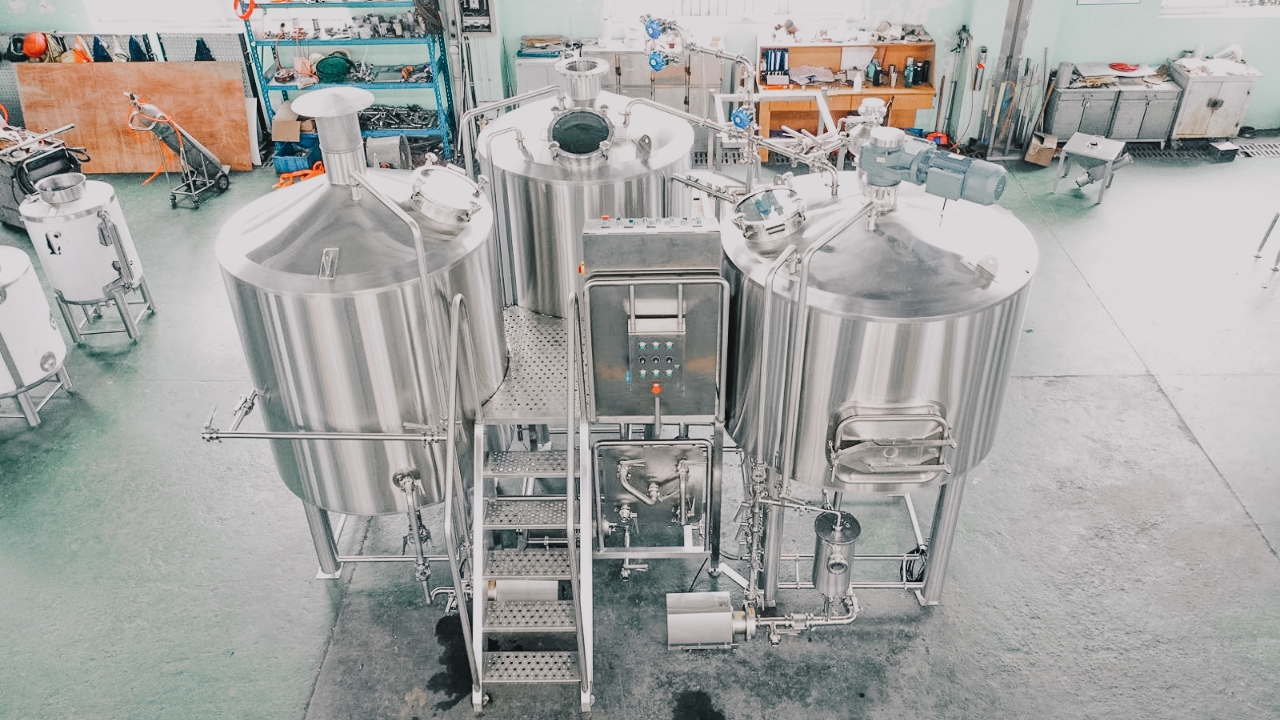
يجب أن تكون سعة خزان الماء الساخن لديك أكبر بمقدار 50% من احتياجات أكبر دفعة لديك - أي ما يكفي لماء التخمير والغسل في آنٍ واحد، بالإضافة إلى كمية إضافية من الماء للاحتياط. يضمن وجود خزانين للماء الساخن عدم توقف الإنتاج عند تشغيل عدة دفعات يوميًا. حدد أعلى مستوى للطلب وأضف 20% كعامل أمان. الخزانات الصغيرة جدًا تُبطئ الإنتاج، بينما الخزانات الكبيرة جدًا تُهدر الطاقة.
خيارات مصادر التدفئة
تُعدّ الكهرباء الأقل تكلفةً لبدء التشغيل، لكنّها ترتفع مع ازدياد استخدامها. يُخفّض الغاز تكاليف الطاقة بنسبة تتراوح بين 30 و50 بالمئة، لكنّه يحتاج إلى تهوية وصيانة. يتطلّب البخار أعلى تكلفة لبدء التشغيل، لكنّه يتميّز بأفضل تحكّم وأقلّ تكاليف تشغيل. بالنسبة لمصانع الجعة التي تُنتج أكثر من 20,000 برميل سنويًا، يُعدّ البخار استثمارًا مُجديًا لما يُوفّره من وقت وجهد.
تقنيات العزل الحراري والاحتفاظ بالحرارة
باستخدام العزل المناسب، يمكنك تقليل استهلاك الطاقة بنسبة 30% أو أكثر. يحافظ رغوة البولي يوريثان المرنة ذات الخلايا المغلقة على قيمة العزل الحراري حتى في الأماكن الرطبة، وذلك بمنع تسرب الرطوبة. كما أن استخدام البولي يوريثان المرشوش أو هيكل مزدوج الجدران يُحسّن الأداء. لن تضطر إلى شراء طاقة إضافية مقابل كل درجة حرارة تحافظ عليها. ولضمان أداء يدوم طويلًا، تحتاج المشاريع الخارجية إلى كسوة مقاومة للعوامل الجوية والأشعة فوق البنفسجية.
استعادة الحرارة والماء
تستخدم المكثفات المتراصة حرارة بخار الغلاية لضخ الماء الساخن مباشرةً إلى خزان الماء الساخن. في أنظمة التقطير ثنائية المراحل، يُستخدم السائل البارد لتبريد نقيع الشعير بينما يُسخن الماء العائد مسبقًا. بدلًا من التعامل مع خزان الماء الساخن كوحدة منفصلة، أدرجه ضمن خطة التحكم الحراري لمصنع الجعة. يمكن للمباني المتطورة استعادة 80% من حرارتها.
تقنيات متقدمة لصانعي الجعة المحترفين
إعادة تدوير وتعديل درجة حرارة الهريس
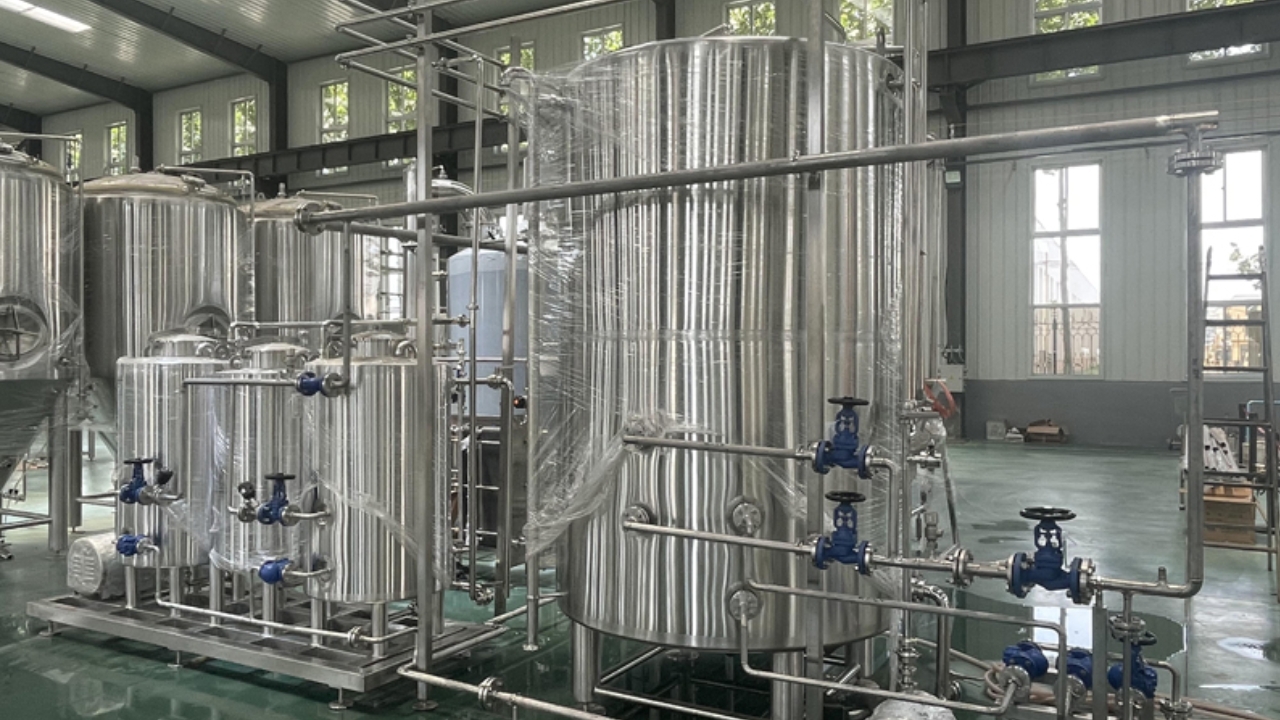
يؤدي التفاوت في درجات الحرارة إلى تقليل موثوقية التجانس، لأن الماء الساخن يرتفع مكونًا طبقات. يتم تحقيق الخلط الدوامي عن طريق إعادة التدوير النشطة عبر مخرج مماس، مما يحافظ على درجة حرارة متساوية في جميع أنحاء خزان الماء الساخن. بالنسبة لأنظمة HERMS، ضع مجسات الحرارة في نهاية وعاء التخمير بدلًا من داخل خزان الماء الساخن. يتيح ذلك التحقق من ظروف التخمير الفعلية، مع مراعاة درجة حرارة الحبوب، وفقدان الحرارة من الهواء، ومعدلات التدفق أثناء مراحل التخمير.
التعديلات الموسمية والبيئية
تؤثر الظروف البيئية بشكل مباشر على الأداء الحراري. فعندما تكون الحبوب باردة، تنخفض درجة حرارة الهريس. وفي الشتاء، تفقد الأنابيب غير المحمية حرارة أكبر. ويقوم الفنيون المتخصصون بتغيير إعدادات خزانات المياه الساخنة بشكل دوري للحفاظ على درجات الحرارة الأساسية مرتفعة خلال فصل الشتاء. دوّن في سجل عملية التخمير درجات حرارة الهواء والحبوب. ويمنع استخدام المجففات تكثف الرطوبة، الذي قد يؤدي إلى العفن والتآكل في الأماكن الرطبة.
الأخطاء الشائعة وكيفية تجنبها
أخطاء في مراقبة درجة الحرارة
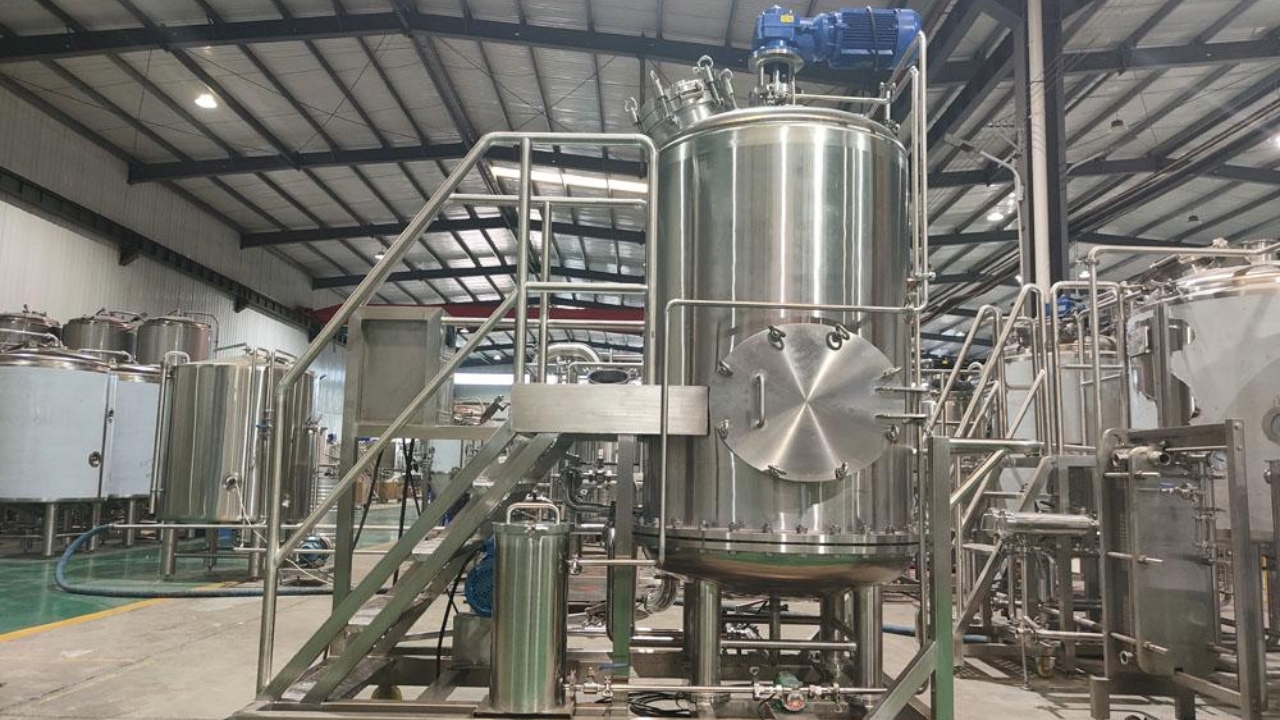
قد يؤدي استخدام مكان واحد فقط لمسبار قياس درجة الحرارة إلى أخطاء في تحديد الطبقات الحرارية. الحل: ضع عدة مجسات على ارتفاعات مختلفة، وتحقق من دقتها بشكل متكرر في كل من الماء البارد والساخن.
سوء وضع الخزان
تركيب خزان الماء الساخن دون مراعاة عملية التركيب سيؤدي إلى انخفاض كفاءته لفترة طويلة. الحل: ضع الخزان في مكان يسمح بتدفق الماء بالجاذبية قدر الإمكان، وتأكد من وجود تصريف كافٍ، واحرص على سهولة الوصول للتنظيف والصيانة.
إهمال كيمياء الماء
إن افتراض أن مياه المدينة "جيدة بما فيه الكفاية" ينتج عنه بيرة ليست جيدة دائمًا. قم بتركيب فلتر كربوني أو خزان من الفولاذ الكربوني 1066 قبل خزان الماء الساخن، اختبر خصائص الماء بشكل متكرر - فمذاق البيرة يعتمد على ذلك.
احصل على خزان الماء الساخن المصمم خصيصًا لك من شركة KDM Steel
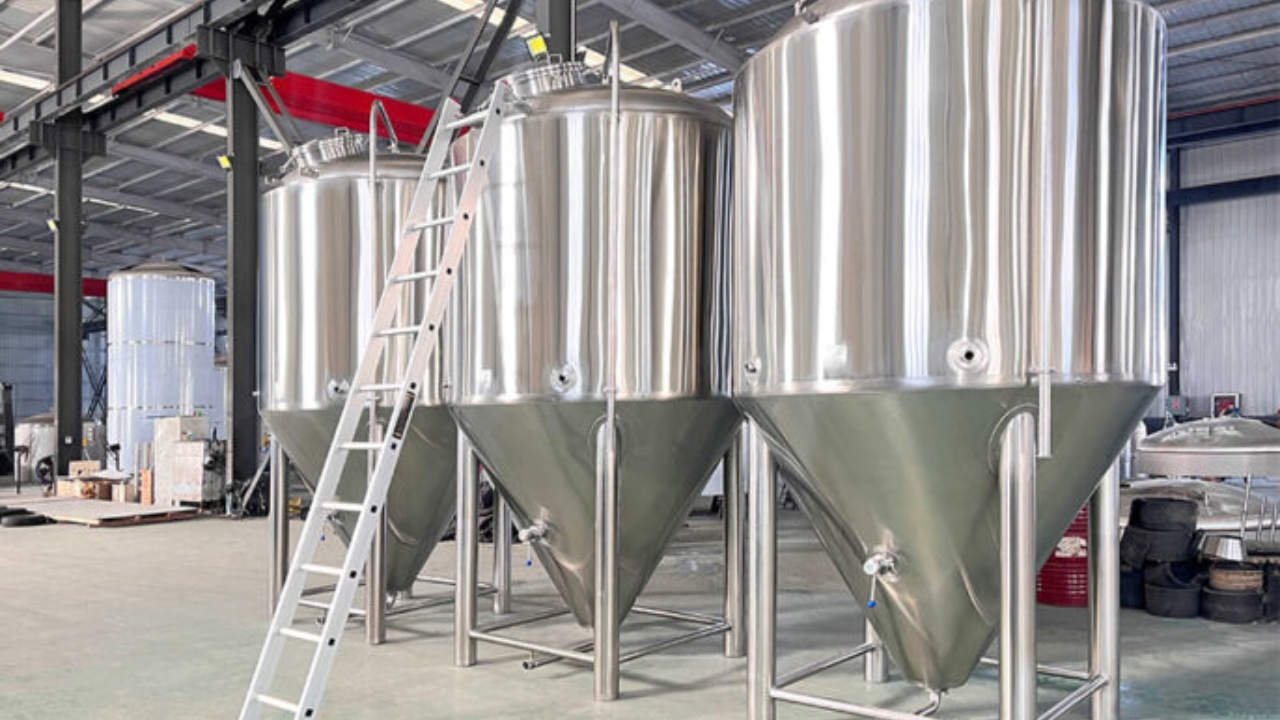
نحن نعمل في كيه دي إم ستيل لضمان تلبية خزانات السوائل الساخنة الصناعية لدينا لاحتياجات أعمالكم، يتم تصنيع كل خزان من الفولاذ المقاوم للصدأ عالي الجودة، مع لحامات صحية، وخيارات مخصصة مثل ملفات HERMS. ويمكن تخصيص الخزان من حيث الحجم، والتدفئة، والتشغيل الآلي، والعزل. اتصل بنا للحصول على عرض أسعار مخصص لمعدات مصممة لتدوم لعقود.
الأسئلة الشائعة
لماذا يتم استخدام خزان ماء ساخن مخصص بدلاً من تسخين الماء في وعاء التخمير؟
يُتيح خزان الماء الساخن المخصص سير العمل المتوازي من خلال تسخين الماء أثناء عملية التخمير في آنٍ واحد. كما أنه يُزيل مخاطر الاحتراق ويُوفر ماءً ثابت الحرارة للتحكم الدقيق في عملية التخمير والتصفية.
كيف يمكنني التحكم في درجة حرارة خزان الماء الساخن أثناء يوم التخمير؟
وحدات التحكم PID تحافظ مستشعرات RTD تلقائيًا على درجات الحرارة ضمن نطاق ±0.5 درجة مئوية. تتكامل الأنظمة المتقدمة مع أنظمة التشغيل الآلي للمصانع لجدولة التغييرات والمراقبة عن بعد.
هل يمكنني تسخين الماء بشكل أسرع في خزان الماء الساخن مقارنةً بخزان التخمير؟
نعم، صُممت خزانات الماء الساخن خصيصًا للتسخين السريع باستخدام عناصر تسخين أو أغلفة ذات أحجام مناسبة. وهذا يُتيح سير عمل متوازي، حيث يتم تسخين الماء أثناء انشغال وعاء التخمير.
هل أستخدم التدفئة الكهربائية أم الغازية لخزان الماء الساخن؟
توحيد معايير العلب الكهربائية يُوفر الغاز تكلفة أولية أقل للمصانع الصغيرة؛ إذ يُقلل من نفقات الطاقة بنسبة تتراوح بين 30 و50 بالمئة. أما بالنسبة للإنتاج الذي يزيد عن 10,000 برميل، فإن التسخين بالبخار يُوفر أقل تكلفة تشغيل.
هل يمكن استخدام نظام HLT للتنظيف والتنظيف الآلي؟
نعم، توفر خزانات المياه الساخنة مياهًا بدرجة حرارة تعقيم تتراوح بين 170 و180 درجة فهرنهايت لتدويرها عبر الأنابيب والأوعية. تأكد من أن التوصيلات مناسبة. خزان التنظيف الآلي معدلات التدفق وتتضمن أجهزة رش للتنظيف الداخلي.
كيف أتجنب تفاوت درجات الحرارة في خزان الماء الساخن؟
قم بتركيب مدخل مماس لخلق دوامة لطيفة لضمان توزيع متساوٍ للحرارة. تستفيد الخزانات الأكبر حجماً من نقاط إرجاع متعددة أو مضخات إعادة تدوير دورية.
ما الفرق بين أنظمة خزانات المياه الساخنة التي تعمل بالجاذبية وتلك التي تعمل بالضخ؟
تُركّب أنظمة الجاذبية فوق خزانات التخمير لتشغيل آمن وخالٍ من المضخات، لكنها تحدّ من مرونة التصميم. أما الأنظمة التي تعمل بالمضخات فتتيح وضعاً مرناً مع تحكم دقيق بواسطة محرك متغير السرعة لإدارة المياه بكفاءة عالية.
 Arabic
  English
  French
  Spanish
  Russian
  Japanese
  Korean
  Portuguese
  Indonesian
  Chinese