


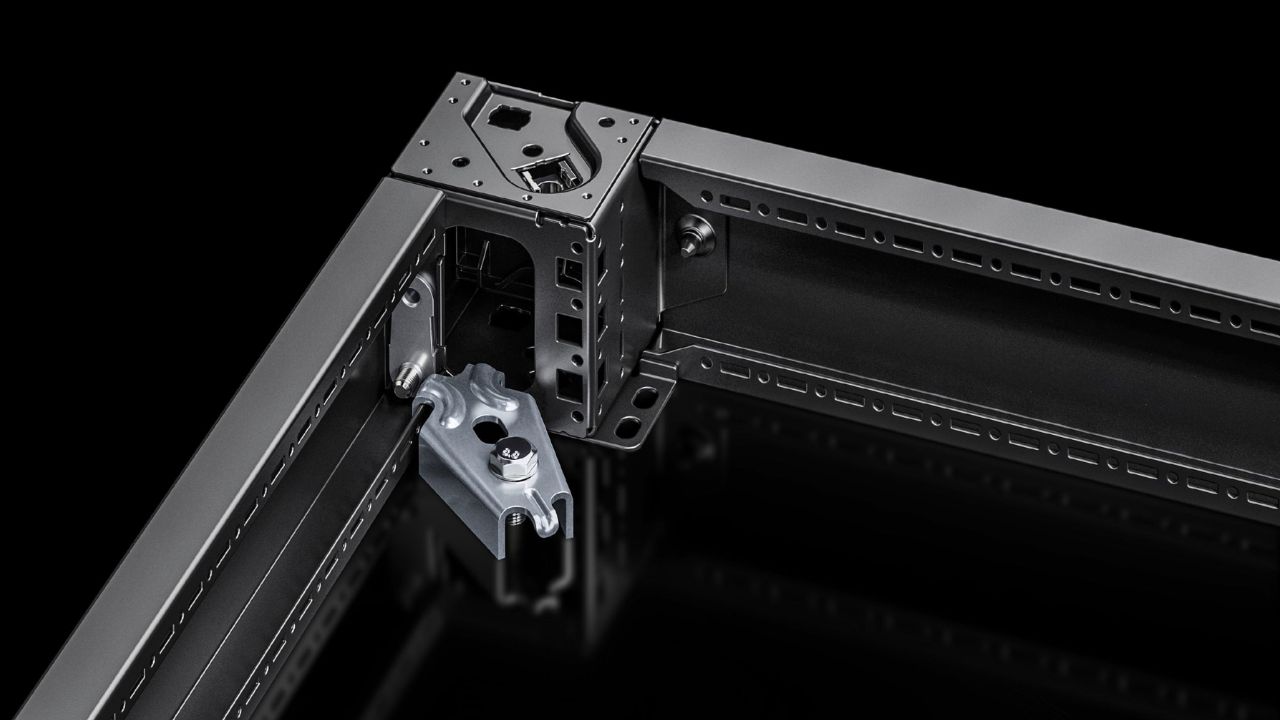
في التطبيقات العملية، تضمن قواعد التغليف التركيب الآمن والتشغيل الموثوق والإدارة الحرارية لنظام التغليف. تتناول هذه المقالة أنواع قواعد التغليف ووظائفها وأهميتها. نأمل أن تساعدك هذه المقالة على فهم أهمية قواعد التغليف وتوفير إرشادات فعّالة لعملية الشراء.
ما هي قاعدة التغليف؟
قاعدة الغلاف هي قاعدة هيكلية تُركّب أسفل غلاف كهربائي أو صناعي. تُستخدم لدعم الغلاف ورفعه وحمايته. تُستخدم قواعد الأغلفة عادةً في لوحات التحكم الكهربائية, تُستخدم هذه القاعدة في خزائن المفاتيح الكهربائية، ووحدات التحكم الآلي، ووحدات المعدات الخارجية. كما أنها ترفع الوحدة عن الأرض، مما يساعد على منع التلف الناتج عن الرطوبة والغبار وتراكم المياه والتآكل والصدمات العرضية.
إلى جانب الدعم المادي، توفر قاعدة العلبة منفذًا للكابلات من الأسفل، وتوجيهًا منظمًا لها، ومساحة لتحسين التهوية. كما أنها توزع وزن العلبة بالتساوي، مما يحسن استقرارها الهيكلي ويقلل الضغط على إطارها.
أنواع قواعد التغليف
تُصنّف قواعد التغليف عادةً وفقًا للمواد والهيكل والتصميم. فمن حيث المواد، تُصنّف إلى قواعد فولاذية، وقواعد من الفولاذ المقاوم للصدأ، وقواعد من الألومنيوم، وقواعد خرسانية، وقواعد من البوليمر/الألياف الزجاجية المقواة بالبلاستيك. كما تُصنّف إلى أنواع عديدة حسب طريقة التركيب. فيما يلي الأنواع الشائعة لقواعد التغليف.
قواعد صلبة
تتكون قواعد العرض الصلبة من صندوق أو منصة متينة ومحكمة الإغلاق تمامًا. إذا كنت بحاجة إلى قواعد عرض تتمتع بقدرات حماية فائقة، فإن قواعد العرض الصلبة هي خيارك الأمثل.
توفر قواعد التثبيت الصلبة حماية ممتازة ضد الغبار والحطام والتلامس العرضي لحاويتك. يمكنك استخدامها في البيئات الداخلية أو الخاضعة للتحكم، وفي الحالات التي لا تتطلب تهوية من الأسفل.
قواعد معيارية
تتكون القواعد المعيارية من مكونات مستقلة، ويمكن تجميعها لتناسب أحجامًا مختلفة من الحاويات. يتيح هذا التصميم المرن إمكانية التعديل في العرض والعمق والارتفاع، مما يجعلها مناسبة جدًا لأنظمة الحاويات القياسية. كما تتميز القواعد المعيارية بسهولة نقلها وتركيبها.
قواعد تهوية
صُممت القاعدة المُهواة بفتحات تهوية جانبية أو أمامية وخلفية، مما يُحسّن دوران الهواء في الجزء السفلي من الحاوية. يُساعد تحسين التهوية على تبديد الحرارة وتقليل التكثف داخل الحاوية. يُمكن تركيب هذه القواعد في بيئات ذات أحمال حرارية عالية أو دافئة.
قواعد قابلة للتعديل
تتيح القاعدة القابلة للتعديل ضبط الارتفاع والمستوى، مما يحافظ على استواء الهيكل وثباته حتى على الأراضي غير المستوية. كما تتيح هذه القاعدة ضبط الارتفاع بدقة، مما يحسن دقة التركيب ويقلل من الإجهاد الهيكلي.
عادةً ما يكون تصميم قواعد التغليف الحديثة معقدًا للغاية. يمكنك اختيار قاعدة متعددة الوظائف تلبي احتياجاتك المتنوعة في آنٍ واحد. ويعتمد اختيار نوع القاعدة المناسب بشكل أساسي على متطلباتك الرئيسية.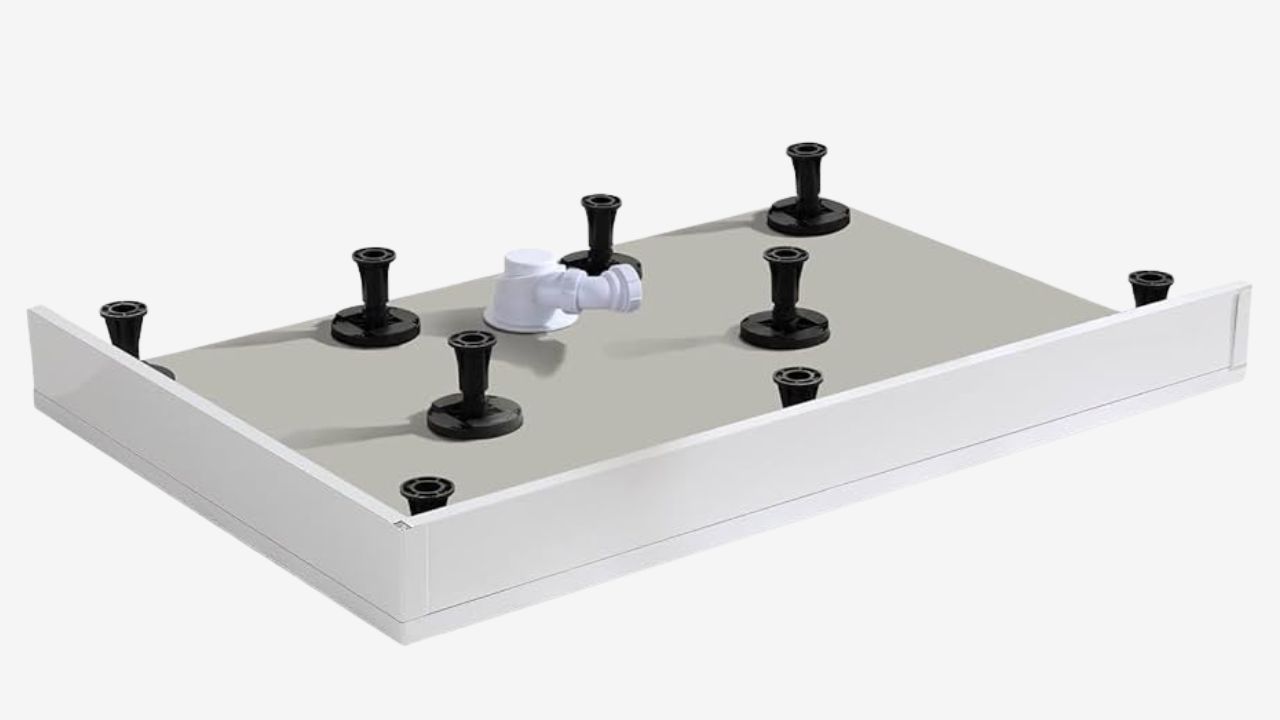
الوظائف الأساسية لقواعد التغليف
الدعم الهيكلي وتوزيع الأحمال
تُوزّع قاعدة المبنى الحمل المركز للهياكل الكبيرة على مساحة أوسع، مما يمنع الهبوط الموضعي أو التشققات أو تلف الأرضية. كما تُقلّل هذه القاعدة من الضغط على هيكل المبنى وتمنع تشوّهه. وتُعدّ هذه الوظيفة أهمّ ميزة أساسية لقواعد المباني.
تضمن القواعد المتينة والمستوية عدم اهتزاز أو ميلان الهيكل، مما يُسهم في الحفاظ على استقرار تشغيل المعدات الدقيقة داخل الخزانة.
الحماية من العوامل البيئية
تمنع قواعد التثبيت، من خلال رفع الخزائن عن الأرض، تسرب الرطوبة وتراكم الغبار والحطام. ويُعد هذا الرفع بالغ الأهمية في البيئات الخارجية أو الصناعية. وتساعد قواعد التثبيت الواقية عالية الجودة على تحقيق الوظائف المطلوبة للخزائن. تصنيف IP أو معايير NEMA ككل، لتلبية المتطلبات الصارمة للبيئات الصناعية المحددة.
إدارة الكابلات والدخول
تُوفر القواعد مساحة مُخصصة لدخول وتمرير الكابلات السفلية، مما يضمن توصيل كابلات الطاقة والإشارة بالهيكل بشكل آمن ومنظم. كما يضمن ذلك أيضًا تصنيف الحماية IP للهيكل بأكمله. وتمنع الكابلات المرتبة بدقة تعرضها للسحق أو الدوس، مما يُحسّن من سلامة بيئة العمل.
التهوية والإدارة الحرارية
إذا قمت بتثبيت أجهزة تستهلك طاقة عالية، فإن قواعد التغليف تُعد عنصرًا مهمًا في استراتيجية إدارة الحرارة.
يُسهّل تصميم القاعدة تدفق الهواء في الجزء السفلي من الغلاف، مما يُفيد في تبديد الحرارة وتقليل التكثيف الداخلي. كما يُساعد تحسين التهوية على تحقيق درجة حرارة تشغيل أكثر استقرارًا ويُطيل عمر المكونات الكهربائية. في الأجهزة الحديثة مراكز البيانات, ، يجب أن يتوافق تصميم القواعد مع حل الممرات الباردة/الساخنة المغلقة لضمان توصيل الهواء البارد بدقة إلى المناطق المطلوبة ومنع اختلاط الهواء الساخن والبارد.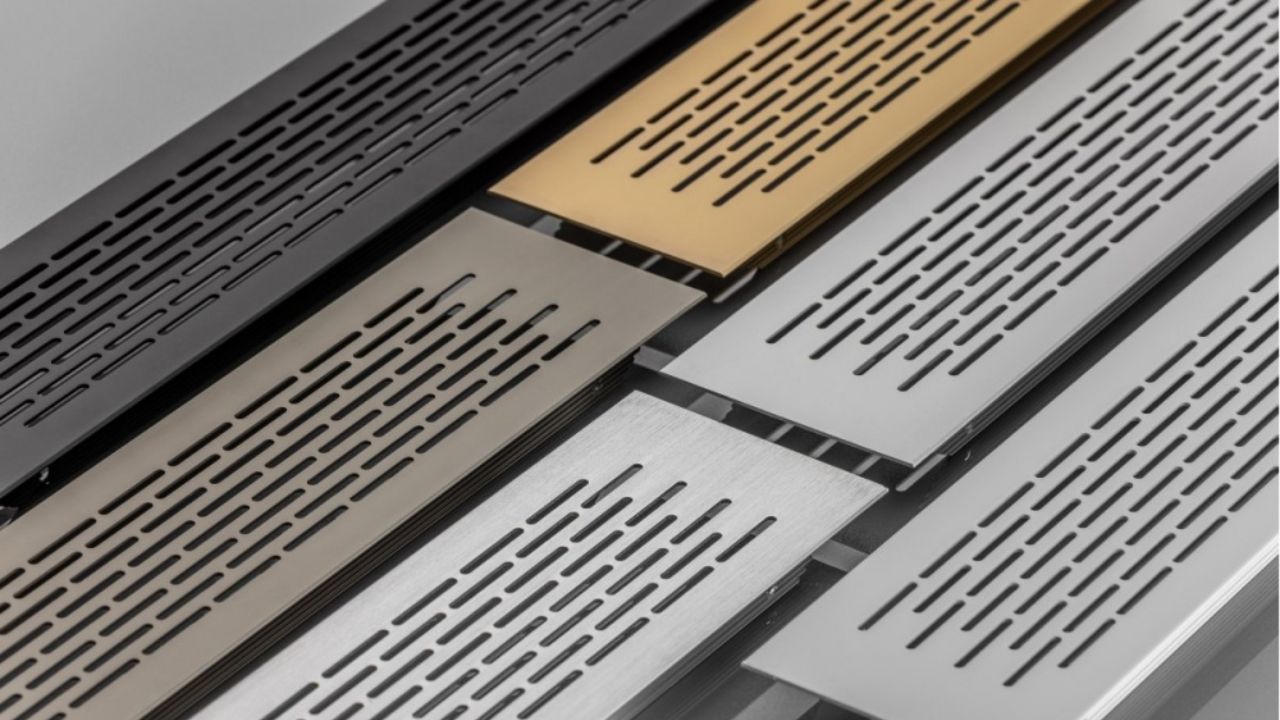
تحسين إمكانية الوصول لأغراض الصيانة
تتيح القواعد القابلة للتعديل للمهندسين ضبط مستوى الخزانة، مما يُسهّل الصيانة السفلية أو استبدال المعدات. كما يمكن استبدال القواعد المعيارية بشكل فردي للمكونات الفردية، مما يُقلل من تعقيد الصيانة وتكلفتها.
أهمية قواعد التغليف في التطبيقات العملية
استقرار ومتانة أفضل
توفر قواعد التثبيت الاحترافية قاعدة متينة ومستوية للمعدات، مما يقلل بشكل جذري من الاهتزازات والإجهاد الذي تتعرض له، وبالتالي يقلل من التآكل الميكانيكي وإجهاد المكونات الإلكترونية.
إضافةً إلى ذلك، يعزل تصميم الرفع والتهوية المعدات عن الرطوبة والسوائل المسببة للتآكل والغبار الموصل للكهرباء وغيرها من المواد الموجودة على الأرض. وقد ساهمت هذه العوامل مجتمعةً في إبطاء تآكل هيكل الجهاز وأكسدة لوحات الدوائر الداخلية. ونتيجةً لذلك، امتد العمر الافتراضي الإجمالي للمعدات، وانخفض معدل الأعطال بشكل كبير.
السلامة والامتثال
باستخدام قواعد تثبيت الحاويات، لن تسقط الحاويات الثقيلة أثناء الزلازل أو الصدمات العرضية أو انزلاق المعدات الداخلية، مما يحمي سلامة العاملين في الموقع. كما يساهم نظام إدارة الكابلات المتكامل في منع التعثر والصدمات الكهربائية العرضية.
والأهم من ذلك، أن قاعدة صلبة محكمة الإغلاق تمنع انتشار الحريق والدخان إلى أعلى عبر فجوات الأرضية وصولاً إلى صندوق التوصيلات الكهربائية، مما يوفر حاجزًا فعالًا ضد الحريق.
علاوة على ذلك، في العديد من المناطق والصناعات، يجب أن يتوافق تركيب المعدات مع لوائح السلامة والبناء المحددة. وتُعد قاعدة الأساس عنصرًا أساسيًا للحصول على شهادة مقاومة الزلازل.
إذا تم تركيب الحاوية الخاصة بك في مركز بيانات أو بيئة صناعية، فإن استخدام قاعدة كهربائية احترافية هو النهج الأكثر مباشرة وتوحيدًا لتلبية متطلبات التدقيق الخاصة بتركيب المعدات وإدارة الكابلات والتأريض وتبديد الحرارة.
قابلية التوسع ودعم التجميع
إذا رغبتَ في إضافة المزيد من الخزائن، يُمكنك استخدام القواعد المعيارية لإضافة وحدات مباشرةً لتحقيق تكامل سلس. كما يُمكنك ترتيب الخزائن بطرقٍ مُتعددة، مثل الخزائن الفردية أو الصفوف. وهذا يُتيح مُلاءمة أفضل للتغييرات الديناميكية في تصميم غرفة الخوادم. وتُوفر سهولة التوسع مساحةً ونقاط تركيب لإضافة مُعدّات سفلية مُستقبلية.
عند وضع عدة خزائن جنبًا إلى جنب، تضمن قاعدة الخزانة أن تكون أرضية كل خزانة مستوية ومنظمة بشكل أنيق. وهذا يُحسّن بشكل كبير إدارة تدفق الهواء وتوجيه الكابلات، ويُشكّل الأساس لبناء مجموعات خزائن عالية الأداء.
تقليل وقت التوقف عن العمل وتحسين الكفاءة
ساهمت قواعد العرض في تحسين سهولة الوصول والتنظيم والأمان. وتؤثر هذه الميزات والمزايا المهمة بشكل مباشر على تكاليف التشغيل واستمرارية أعمالك.
إن تحسين استقرار الغلاف، وحماية البيئة، وتحسين تبديد الحرارة يمنع بشكل مباشر الأعطال المفاجئة الناتجة عن ارتفاع درجة الحرارة، والرطوبة، والاهتزاز، وعوامل أخرى تؤدي إلى تلف المعدات.
يستطيع فريق التشغيل والصيانة تحديد موقع الكابل أو الجهاز المعطل بسرعة بفضل تحديد الكابل ومساره بوضوح، مما يُسهم في تقليل متوسط وقت الإصلاح. إضافةً إلى ذلك، يُسهّل التصميم القابل للتعديل والمكونات المعيارية عملية الصيانة.
يمكن لإدارة تدفق الهواء المُحسّنة أن تُقلل من استهلاك الطاقة لنظام التبريد لديك، وتُحسّن كفاءة استخدام الطاقة. كما يُتيح لك التركيب الاحترافي والمستقر اعتماد أسلوب نشر معدات بكثافة أعلى، مما يسمح باستيعاب المزيد من قوة الحوسبة بأمان ضمن مساحة محدودة.
حالات استخدام قواعد التغليف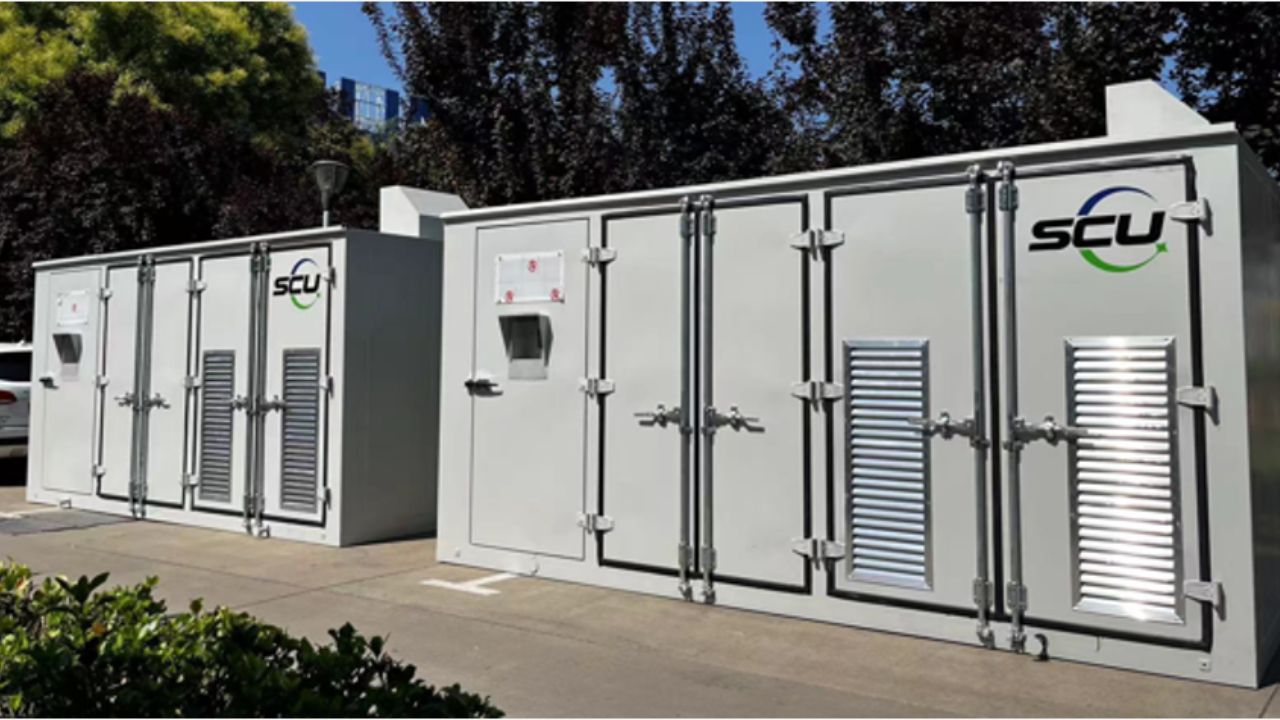
مراكز البيانات وحاويات الخوادم
الأنواع الشائعة من قواعد الطاولات المستخدمة في هذه البيئات هي قواعد الطاولات القابلة للتعديل وقواعد الطاولات ذات التهوية.
في بيئات التطبيقات هذه، يلزم وجود قدرة تحمل عالية وثبات لحماية هيكل أرضية المعدات. كما أن إدارة تبديد الحرارة لا تقل أهمية في هذا النوع من البيئات. تضمن قواعد التهوية دخول الهواء البارد بكفاءة إلى الحاوية من الأسفل، مما يمنع ارتفاع درجة حرارة الخوادم. بالإضافة إلى ذلك، يُعدّ ترتيب الأسلاك وسهولة التوسعة من الأمور بالغة الأهمية.
لوحات التحكم في الأتمتة الصناعية
تشمل أنواع تطبيقات قواعد الأعمدة الرئيسية القواعد الصلبة والوحدات النمطية.
في بيئة الإنتاج الصناعي الآلي، تعمل القاعدة على رفع الخزانة لتجنب تأثير مياه الغسيل والزيوت والغبار. كما توفر القاعدة مدخلاً سفلياً لتوصيل كابلات الطاقة والتحكم، مما يُحسّن من ثبات الخزانة في مواجهة الاهتزازات الميكانيكية. علاوة على ذلك، تُساعد القواعد في الحفاظ على مستوى الحماية IP في بيئات الإنتاج القاسية.
الاتصالات والبنية التحتية الخارجية
معظم خزائن محطات قاعدة الجيل الخامس الخارجية وكابلات الألياف الضوئية على جانب الطريق صناديق الوصلات استخدم قواعد صلبة عالية الحماية أو قواعد خارجية خاصة. عادةً ما تكون هذه القواعد مزودة بأنظمة إحكام خاصة وتصاميم مضادة للسرقة.
عند استخدام قواعد العرض الخارجية، فإنها ترفع المعدات عن الأرض بشكل أساسي لمنع تراكم المياه والفيضانات العرضية من التسبب في أضرار. كما تتضمن بعض قواعد العرض الخارجية طبقات عازلة أو أنظمة تهوية وتبديد حرارة للتعامل مع درجات الحرارة المرتفعة في الصيف والمنخفضة في الشتاء. ويمنع التصميم المتين نقل الخزانة بأكملها أو سرقتها بسهولة.
الطاقة والمرافق العامة
على سبيل المثال، في بيئات مثل غرف التحكم في المحطات الفرعية وخزائن عاكسات الطاقة المتجددة، تستخدم بشكل أساسي قواعد مقاومة للزلازل شديدة التحمل أو قواعد تهوية ومقاومة للغبار.
عند استخدام قاعدة التثبيت في منشآت الطاقة الحيوية، تُصبح هذه القاعدة جزءًا أساسيًا من التصميم الزلزالي الشامل، إذ تضمن عدم تعطل نظام التحكم أثناء الزلزال. كما تُوفر القاعدة حمايةً لأنظمة المراقبة والتحكم الحساسة في غرف المعدات التي قد تكون مُغبرة أو رطبة. إضافةً إلى ذلك، تُساعد قاعدة التثبيت الكهربائية على تنظيم كابلات الجهد العالي والمنخفض، والحفاظ على مسافات آمنة بينها، ومنع التداخل والحوادث.
اختيار قاعدة التغطية المناسبة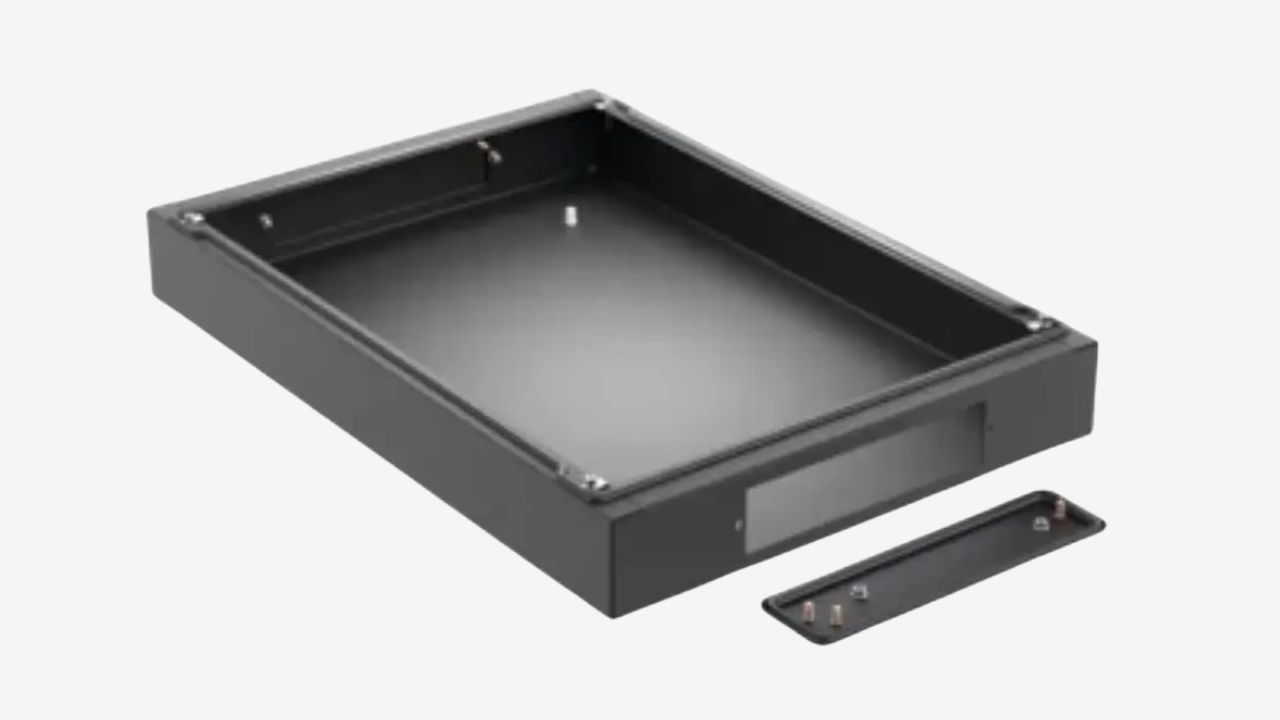
الوصول إلى بيئة الحاوية والتركيب
أولاً، عليك مراعاة مواصفات المعدات التي تحتاجها. يجب عليك أولاً قياس عمق وعرض وارتفاع الحاوية بدقة. ثم احسب الحد الأقصى للوزن الإجمالي للمعدات. بعد ذلك، عليك أيضاً مراعاة نوع التصميم الذي تحتاجه.
ثانيًا، يجب عليك أيضًا مراعاة ظروف بيئة التركيب. إذا كنت تقوم بالتركيب في بيئة داخلية نظيفة، فإن قاعدة صلبة أو قاعدة معيارية تكفي. أما إذا كنت في بيئة ذات متطلبات نظافة عالية أو ظروف تآكل، فيجب عليك اختيار الفولاذ المقاوم للصدأ أو قواعد غير معدنية. عموماً، كلما كانت البيئة أقسى، كلما احتجت إلى اختيار قاعدة أكثر حماية.
بعد ذلك، عليك مراعاة متطلبات تبديد الحرارة للحاوية. يتطلب هذا تقييم إجمالي الحرارة المتولدة من الأجهزة داخلها. كما عليك تقدير عدد وأنواع الكابلات في الخزانة، وهو ما يرتبط بمتطلبات التوصيلات الكهربائية. ثم، عليك التحقق من استواء أرضية التركيب، وما إذا كان هناك خطر حدوث زلزال. يرتبط هذا بنوع ومواصفات القاعدة التي تختارها.
ضع في اعتبارك المواد والتشطيب.
يمكن أن تساعد جميع الأسئلة المذكورة أعلاه في تحديد نوع القاعدة التي تختارها. بعد ذلك، عليك أيضًا مراعاة المادة والتشطيب الذي تختاره لقاعدتك.
الفولاذ المدلفن على البارد مع طلاء مسحوق يُعد هذا النوع من القواعد الأكثر شيوعًا. يتميز بفعاليته من حيث التكلفة وملاءمته لمعظم البيئات الداخلية.
يمكنك اختيار قاعدة من الفولاذ المقاوم للصدأ للتطبيقات في البيئات ذات متطلبات النظافة العالية، أو الرطوبة العالية، أو الظروف المسببة للتآكل. يتميز الفولاذ المقاوم للصدأ 316 بمقاومة أقوى للتآكل. الألومنيوم يتميز بخفة وزنه ومقاومته للتآكل، ولكنه ذو تكلفة أعلى وقدرة تحمل أقل.
جودة التدقيق والامتثال
قبل الشراء، يجب عليك أيضًا التحقق من جودة العينة، وعملية الطلاء، وما إلى ذلك. يرتبط هذا بمتانة قاعدة التمثال وسلامتها ومظهرها. إذا كانت قاعدة التمثال التي تقوم بتخصيصها أو شرائها حاصلة على شهادة مقاومة للزلازل أو تصنيف IP، فيجب عليك التحقق من صلاحية هذه الشهادة. كما يجب تقييم مؤهلات المورد من جوانب متعددة للتحقق من جودة قاعدة التمثال.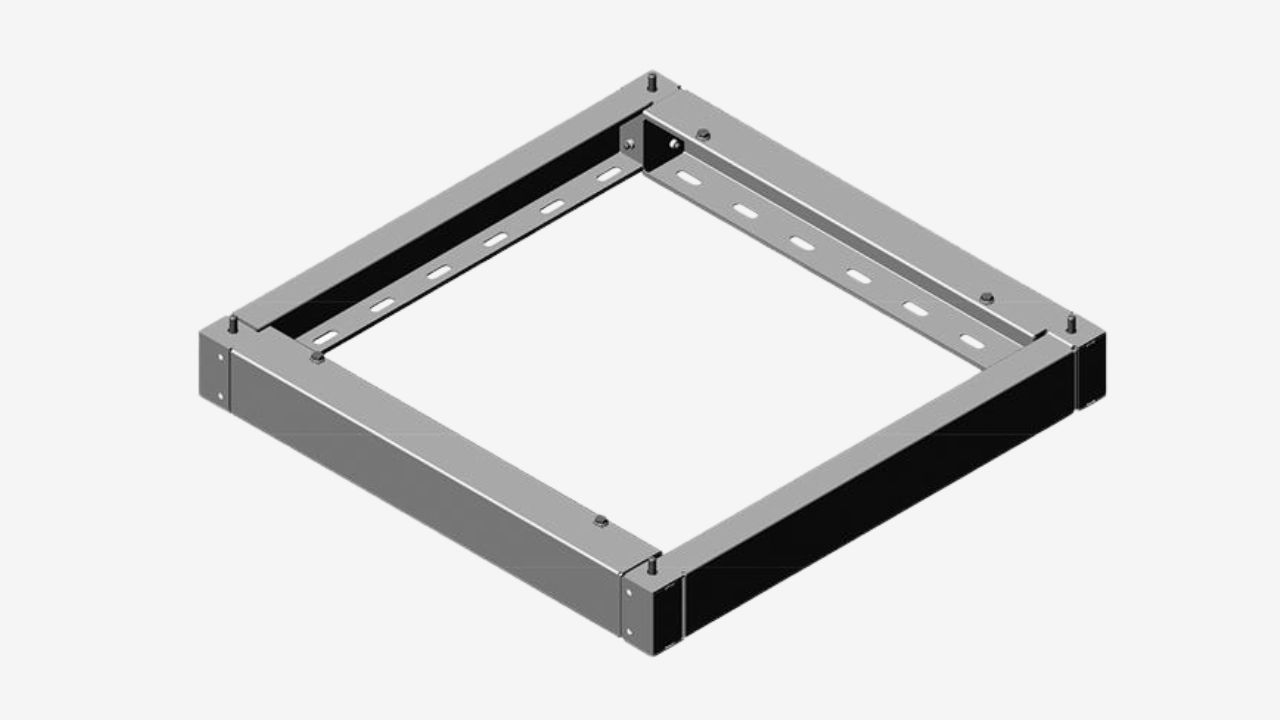
التعليمات
هل تتطلب المعايير أو اللوائح قواعد حاويات؟
لا توجد متطلبات إلزامية لقواعد التثبيت. مع ذلك، توصي المعايير الكهربائية والصناعية عادةً، أو تشترط بشكل غير مباشر، استخدام قواعد التثبيت لتلبية متطلبات السلامة وحماية البيئة. في العديد من بيئات التركيب، تساعد قواعد التثبيت على ضمان الامتثال لتصنيفات الحماية من دخول الماء والغبار (IP) وقواعد التأريض.
ما هو الارتفاع الموصى به لقاعدة الحاوية؟
يعتمد الارتفاع الموصى به لقاعدة العلبة على التطبيق والبيئة وحجم العلبة. تتراوح الارتفاعات النموذجية للقواعد بين 100 مم و300 مم. قد تتطلب المناطق الخارجية أو المعرضة للفيضانات قواعد أطول لضمان الحماية الكافية ومساحة كافية للكابلات.
ما الفرق بين قاعدة مفتوحة وقاعدة مغلقة؟
تعتمد القاعدة المفتوحة هيكلاً مفتوحاً يسهل دوران الهواء وتوصيل الكابلات، وهي مناسبة للاستخدام الداخلي أو في البيئات الخاضعة للتحكم. أما القاعدة المغلقة فهي محكمة الإغلاق تماماً، ما يجعلها أكثر مقاومة للغبار والماء والحشرات، وتُستخدم عادةً في البيئات الخارجية أو القاسية.
هل يمكن تركيب حاوية بدون قاعدة؟
نعم. يمكنك تخصيص قاعدة الخزانة وفقًا للارتفاع والمادة وقدرة التحمل ومعالجة السطح وتكوين التركيب. تُستخدم القواعد المُخصصة غالبًا للخزائن غير القياسية أو المعدات الثقيلة أو لتلبية متطلبات بيئية وتنظيمية محددة.
الخلاصة
يُساهم اختيار القاعدة المناسبة في تحسين السلامة، والحفاظ على إحكام إغلاق العلبة ومستوى الحماية، وإطالة عمر المعدات الكهربائية. شركة KDM متخصصة في تصنيع العلب الكهربائية حسب الطلب، ونقدم لكم خدمات إنتاج شاملة ومخصصة. سنوات خبرتنا الطويلة في الإنتاج وشهاداتنا المتعددة هي ما يجعلنا جديرين بثقتكم. اتصل بنا للحصول على حلول مخصصة لك.
 Arabic
  English
  French
  Spanish
  Russian
  Japanese
  Korean
  Portuguese
  Indonesian
  Chinese