



تُعدّ الحماية الكهربائية وإدارة التيار من الأمور بالغة الأهمية لأنظمة الطاقة الشمسية. ويلعب صندوق تجميع الخلايا الكهروضوئية دورًا محوريًا في هذا الصدد، إذ يوفر حماية مركزية ويُبسّط عملية التوصيلات الكهربائية. تتناول هذه المقالة وظائف وأنواع صناديق تجميع الخلايا الكهروضوئية، بالإضافة إلى إرشادات اختيارها. نأمل أن تُساعدك هذه المقالة في اختيار صندوق التجميع الأنسب لنظام الطاقة الشمسية الخاص بك.
ما هو صندوق تجميع الخلايا الكهروضوئية؟
يُمكن تسمية صندوق تجميع الخلايا الكهروضوئية بصندوق تجميع الطاقة الشمسية أو صندوق تجميع المصفوفات. وهو جهاز كهربائي أساسي في جانب التيار المستمر لنظام توليد الطاقة الكهروضوئية. عادةً ما يتم تركيب صندوق تجميع الخلايا الكهروضوئية بين وحدات الخلايا الكهروضوئية والعاكس.
تتمثل وظيفتها الرئيسية في ربط سلاسل الألواح الشمسية (سلاسل الخلايا الكهروضوئية) المتكونة من توصيل وحدات كهروضوئية متعددة على التوالي، وذلك لتوفير خرج مركزي. وهذا من شأنه أن يقلل من عدد كابلات التيار المستمر للعكس، ويبسط بنية النظام، ويسهل عملية المراقبة والصيانة.
وظائف صندوق تجميع الخلايا الكهروضوئية
التجميع الحالي (دمج سلاسل PV متعددة)
يتكون نظام الطاقة الكهروضوئية من آلاف من سلاسل الألواح الشمسية. إذا تم توصيل كل سلسلة مباشرةً بالعكس، فسينتج عن ذلك عدد كبير من الكابلات وفوضى في الأسلاك، مما يزيد التكاليف بشكل كبير ويزيد من خطر الأعطال الكهربائية.
مع ذلك، يمكن لصندوق تجميع الطاقة الشمسية تجميع الكابلات في كابل إخراج رئيسي يتصل بالعكس. وهذا يُساعد على تبسيط بنية النظام وتقليل تكاليف الكابلات والإنشاء. كما يُحسّن من مظهر النظام وسهولة صيانته.
إضافةً إلى ذلك، تم تجهيز صندوق تجميع الطاقة الشمسية بوحدات طرفية قياسية للإدخال/الإخراج، وقضبان توصيل التيار المستمر، وما إلى ذلك. تضمن الواجهات الكهربائية القياسية سلامة وموثوقية توصيلات الكابلات بشكل كبير، كما أنها تتوافق مع المواصفات الكهربائية.
الحماية الكهربائية وضمان السلامة
الحماية من التيار الزائد وقصر الدائرةتقوم صمامات التيار المستمر أو قواطع الدائرة المصغرة للتيار المستمر بفصل الدائرة المعيبة عند توليد تيار عكسي نتيجةً لدوائر قصر داخلية أو لأسباب أخرى داخل السلسلة. وهذا يساعد على منع تفاقم العطل وضمان توليد الطاقة بشكل طبيعي للسلاسل الأخرى.
الحماية من الصواعق والارتفاع المفاجئ في التيارتتعرض أنظمة الطاقة الشمسية الكهروضوئية لخطر الصواعق أو ارتفاعات الجهد المفاجئة من شبكة الكهرباء. يستطيع جهاز الحماية من ارتفاع الجهد (SPD) الموجود داخل صندوق تجميع الطاقة الشمسية الكهروضوئية تفريغ الجهد الزائد إلى الأرض في غضون أجزاء من الثانية، مما يحمي العواكس والمعدات من التلف الناتج عن الأعطال.
تجزئة وعزل جانب التيار المستمر: عادةً ما يكون طرف الإخراج الرئيسي مزودًا بمفتاح فصل التيار المستمر أو مفتاح الحمل. يوفر لك هذا نقطة فصل مرئية ومادية. عند صيانة العاكس أو فحص النظام، يمكنك قطع خرج طاقة التيار المستمر بأمان من صندوق التجميع لضمان سلامة التشغيل.
المراقبة واكتشاف الأعطال
جمع البيانات التفصيلية: يمكن لأجهزة استشعار التيار ودوائر أخذ عينات الجهد مساعدتك في مراقبة تيار الإدخال لكل سلسلة في الوقت الفعلي (المعلمة الأكثر أهمية)، وجهد الإخراج الكلي، والتيار الكلي والطاقة بعد تجميع التيار، ودرجة الحرارة الداخلية للصندوق، وحالة قاطع الدائرة، وما إلى ذلك.
تحديد موقع العطل والتنبيهيستطيع النظام اكتشاف وتحديد مواقع السلاسل غير الطبيعية من خلال مقارنة التيار الكهربائي لكل سلسلة. علاوة على ذلك، يمكنه تحديد نوع العطل بالاستناد إلى البيانات الآنية. في حال رصد صندوق تجميع الألواح الكهروضوئية انخفاضًا في التيار أو تدهورًا في جهاز الحماية من الصواعق، فإنه يقوم بإجراء صيانة وقائية لمنع تفاقم العطل.
تحميل البياناتيمكن تحميل البيانات المُجمّعة إلى العواكس، أو أجهزة تجميع البيانات، أو مباشرةً إلى منصة المراقبة السحابية. يمكنك مراقبة حالة تشغيل جميع صناديق تجميع الطاقة الشمسية الكهروضوئية، كما يمكنك إنشاء تقارير مثل تحليل توليد الطاقة.
حماية مادية موثوقة
يستخدم صندوق تجميع الألواح الكهروضوئية عادةً غلافًا واقيًا عالي المستوى (عادةً IP65يمنع هذا الغلاف دخول الغبار والماء، ويتحمل الظروف الجوية القاسية كالمطر والثلج والعواصف الرملية. كما يمنع التلامس العرضي من قبل الأشخاص. ويساعد الغلاف المصمم جيدًا أيضًا على تبديد الحرارة من المكونات الداخلية بكفاءة أكبر.
فوائد استخدام صندوق تجميع الطاقة الشمسية الكهروضوئية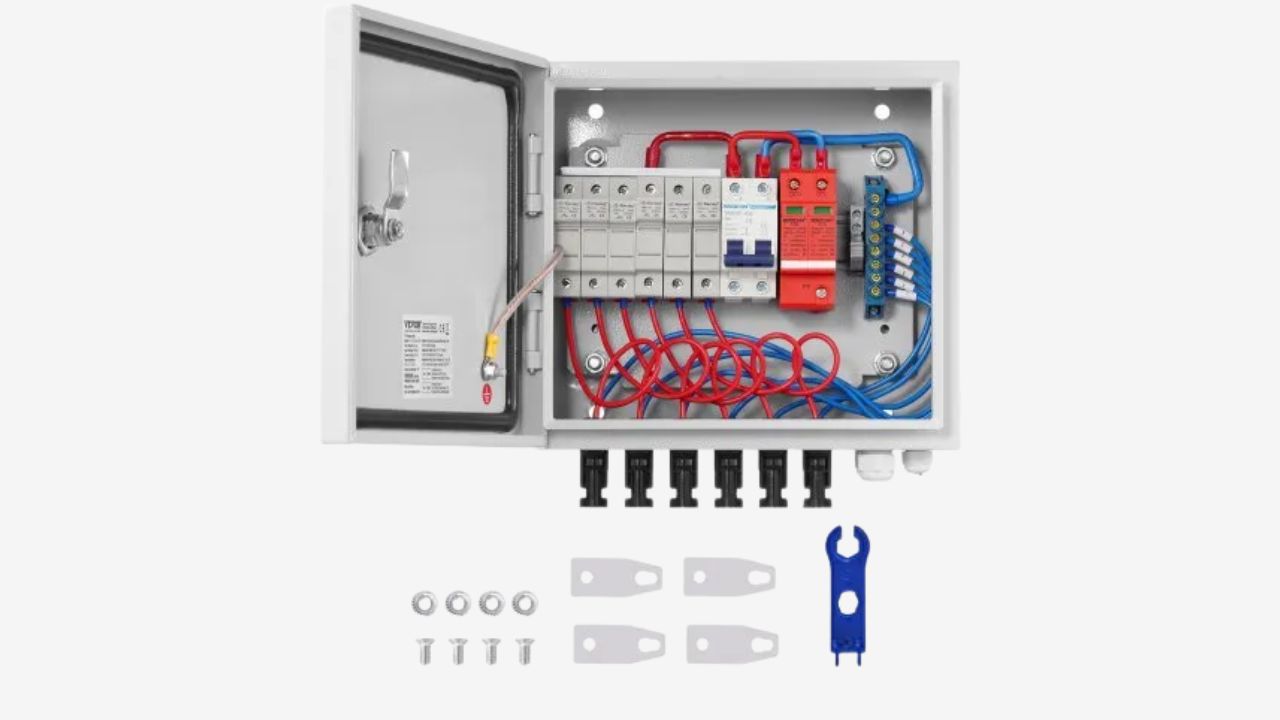
خفض تكاليف الكابلات والإنشاءاتإن تبسيط عدد كابلات الإخراج يمكن أن يوفر بشكل مباشر تكاليف شراء كابلات التيار المستمر، وتكاليف الجسور، وتكاليف العمالة. وهذا يحقق فوائد اقتصادية كبيرة.
تحسين بنية النظامقم بمركزة واجهة السلسلة لجعل بنية الأسلاك في جانب التيار المستمر لمحطة الطاقة الشمسية واضحة ومنظمة. هذا مفيد لفحص الخط وتحديثه لاحقًا.
التشغيل والصيانة الدقيقةيمكن للمراقبة الآنية وتحديد المواقع بدقة أن يحسّنا كفاءة المعالجة بشكل كبير. كما تساعد الصيانة الوقائية بفعالية على تجنب الأعطال المفاجئة. ويمكن أن يساعد جمع البيانات الرئيسية على تحليل أداء محطة الطاقة الكهروضوئية بشكل شامل.
قدرة عالية على التكيف مع البيئةيوفر مستوى الحماية العالي للغلاف بيئة تشغيل مستقرة للمكونات الداخلية، مما يطيل عمر الأجهزة ويقلل من الأعطال غير المتوقعة الناتجة عن العوامل البيئية.
المكونات الرئيسية لصندوق تجميع الخلايا الكهروضوئية
صمامات سلسلة الخلايا الكهروضوئية
تُستخدم صمامات سلسلة الخلايا الكهروضوئية لحماية كل سلسلة من التيار الزائد. فهي تحمي الكابلات والوحدات الكهروضوئية من التلف الناتج عن التيار العكسي أو قصر الدائرة. كما أنها تمنع تدفق تيار العطل إلى سلسلة العطل من السلاسل المتوازية الأخرى.
قواطع الدائرة الكهربائية للتيار المستمر
يحتوي قاطع الدائرة الكهربائية للتيار المستمر على وظائف حماية يدوية/تلقائية. عند حدوث زيادة في التيار أو قصر في الدائرة، يفصل القاطع تلقائيًا لحماية الدائرة. بالإضافة إلى ذلك، يمكنك فصل قاطع الدائرة الكهربائية للتيار المستمر يدويًا للصيانة. يُحسّن قاطع الدائرة الكهربائية للتيار المستمر من سهولة الصيانة وكفاءة تشغيل النظام.
أجهزة الحماية من زيادة التيار(SPD)
يُستخدم جهاز الحماية من ارتفاع الجهد (SPD) بشكل أساسي لمنع ارتفاع الجهد العابر. فهو يحمي أجهزة التيار المستمر من آثار الصواعق وارتفاعات الجهد الناتجة عن عمليات التبديل. كما يحدّ من ارتفاع الجهد ويؤرض الجهد الزائد بأمان. ويمنع أعطال العاكسات وتوقف النظام بسبب ارتفاعات الجهد.
مفتاح فصل التيار المستمر
يؤدي مفتاح فصل التيار المستمر وظيفة العزل الكهربائي الآمن، حيث يدعم الفصل الكامل لألواح الطاقة الشمسية عن العاكس. ويُستخدم عادةً أثناء عمليات الصيانة أو الإيقاف الطارئ أو الإصلاح.
قضبان التوصيل
يُستخدم هذا الجهاز عادةً لجمع التيارات من عدة سلاسل وإخراج التيار المُجمّع. يُحسّن هذا التصميم كفاءة النظام وموثوقيته، كما يُقلّل من تعقيد الأسلاك داخل صندوق تجميع الطاقة الشمسية الكهروضوئية.
كتل طرفية
توفر كتلة التوصيل نقاط اتصال موثوقة للكابلات الداخلة والخارجة. وتوفر حشوات الكابل امتصاصًا جيدًا للصدمات وإحكامًا ممتازًا.
وحدة المراقبة (صندوق التجميع الذكي)
تراقب وحدة المراقبة بشكل أساسي التيار والجهد ودرجة حرارة السلاسل. بالإضافة إلى ذلك، يمكنها أيضًا اكتشاف أعطال السلاسل أو فتيل حالات الفشل، وما إلى ذلك. سيتم تحميل البيانات المكتشفة إلى المنصة لتحليلها.
حاوية
عادةً ما يُصنع صندوق تجميع الألواح الشمسية من الفولاذ المقاوم للصدأ أو الألومنيوم أو البلاستيك المقاوم للهب. يوفر هذا الغلاف حمايةً بيئيةً وميكانيكيةً للمكونات الداخلية. ويضمن الغلاف المتين عمرًا تشغيليًا طويلًا لهذه المكونات في البيئات القاسية.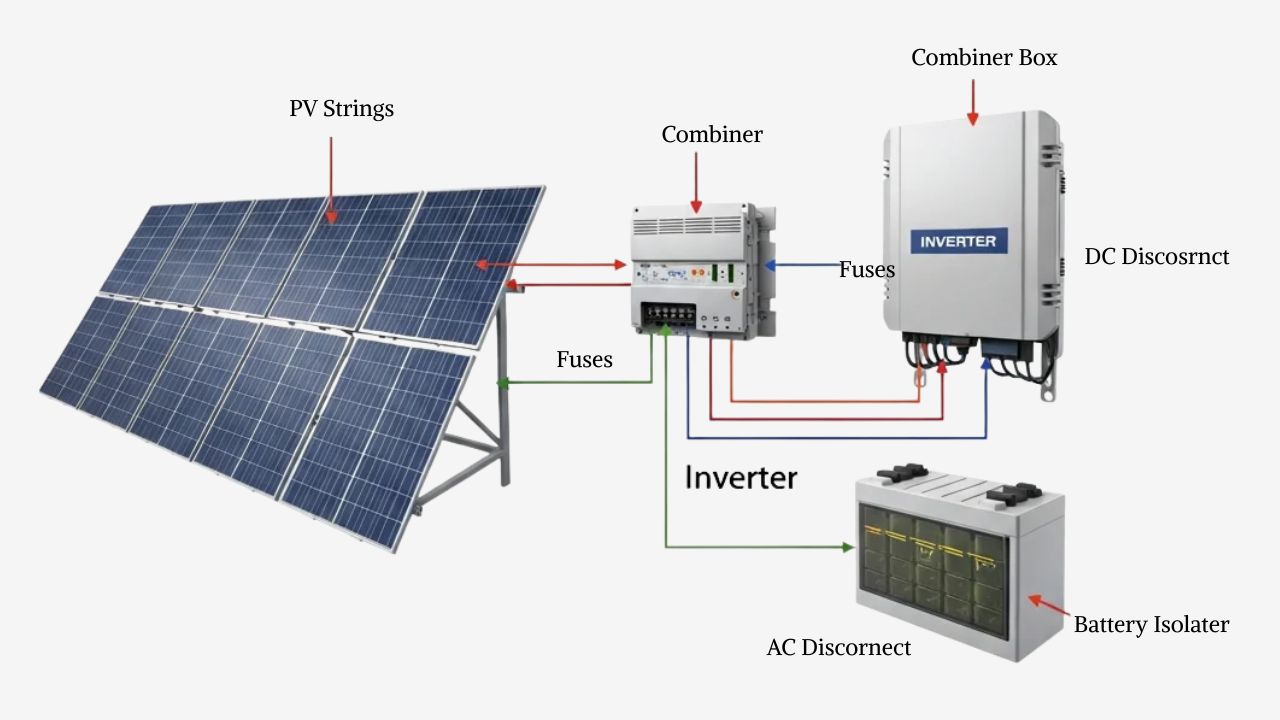
أنواع صندوق تجميع الطاقة الشمسية الكهروضوئية
حسب الجهد
صندوق تجميع الطاقة الشمسية الكهروضوئية 600 فولت تيار مستمر / صندوق تجميع الطاقة الشمسية الكهروضوئية 1000 فولت تيار مستمر
يتميز هذا النوع من صناديق تجميع الطاقة الشمسية الكهروضوئية بنضجه التقني، وتكامل سلسلة التوريد الصناعية الخاصة به، وانخفاض تكلفته نسبيًا. ويُعدّ صندوق تجميع الطاقة الشمسية بجهد 1000 فولت الخيار الأمثل حاليًا لتوليد الطاقة الموزعة في القطاعين الصناعي والتجاري، وفي بعض محطات الطاقة الأرضية. ويُستخدم غالبًا في محطات الطاقة الشمسية الكهروضوئية الأرضية التي بُنيت في بداياتها، أو على أسطح المباني الصناعية والتجارية الصغيرة والمتوسطة الحجم.
صندوق تجميع الخلايا الكهروضوئية بتيار مستمر 1500 فولت
يمكن لهذه التقنية أن تقلل بشكل كبير من فقد الطاقة في الكابلات وتخفض تكاليف النظام عن طريق زيادة الجهد وتقليل التيار. ويمكن تطبيقها على محطات الطاقة الكهروضوئية الأرضية واسعة النطاق وقواعد الطاقة الكهروضوئية.
حسب عدد سلاسل الإدخال
صناديق تجميع الطاقة الشمسية الكهروضوئية ذات المدخلات المنخفضة (2-4 سلاسل)
صندوق تجميع الطاقة الشمسية الكهروضوئية ثنائي المدخلات ومخرج واحد، وصندوق تجميع الطاقة الشمسية الكهروضوئية رباعي المدخلات ومخرج واحد، من صناديق التجميع الشائعة ذات المدخلات المنخفضة. تتميز هذه الأنواع من صناديق التجميع بسهولة تركيبها، وانخفاض تكلفتها، واحتياجها لمساحة أقل بكثير. وتُستخدم بشكل أساسي في أنظمة الطاقة الشمسية الكهروضوئية على أسطح المنازل، وأنظمة الطاقة الشمسية الهجينة الصغيرة، أو أنظمة العاكسات المتسلسلة ذات المدخلات القليلة.
صناديق تجميع متوسطة المدخلات (6-12 سلسلة)
تُعدّ صناديق تجميع الطاقة الشمسية الكهروضوئية ذات 6 مداخل ومخرج واحد، و8 مداخل ومخرج واحد، و12 مدخل ومخرج واحد، أمثلة شائعة. تتميز هذه الصناديق بقدرتها على معالجة تيارات متوسطة، كما أنها تُقلل من طول الكابلات وفقدان الطاقة، وتحقق توازنًا بين قابلية التوسع والتكلفة. يُمكن استخدامها في أنظمة الطاقة الشمسية الكهروضوئية التجارية أو الصناعية المثبتة على أسطح المباني، ومحطات الطاقة الشمسية الأرضية متوسطة الحجم، وغيرها.
صناديق تجميع الطاقة الشمسية الكهروضوئية ذات المدخلات العالية (16-24 سلسلة)
تُعدّ صناديق تجميع الطاقة الشمسية الكهروضوئية ذات 16 مدخلاً ومخرجاً واحداً، و20 مدخلاً ومخرجاً واحداً، و24 مدخلاً ومخرجاً واحداً، أمثلة شائعة. وتتميز هذه الصناديق بقدرتها العالية على نقل التيار. معظم هذه الصناديق مُجهّزة بوحدات مراقبة. ويمكن استخدامها في البيئات الخارجية القاسية، مثل محطات الطاقة الشمسية واسعة النطاق ومصفوفات الخلايا الكهروضوئية الأرضية الكبيرة.
صناديق تجميع فائقة القدرة أو مخصصة
يحتوي هذا النوع من صناديق تجميع الخلايا الكهروضوئية عادةً على 32 سلسلة أو أكثر. تُصمم هذه الصناديق عادةً حسب متطلبات المشروع، وتُجهز بأنظمة مراقبة واتصال متطورة. تُستخدم هذه الصناديق على نطاق واسع في محطات الطاقة الشمسية الكبيرة، ومشاريع الطاقة الكهروضوئية في المناطق الصحراوية أو المرتفعة، والمشاريع التي تتطلب دمج نظام التحكم الإشرافي وجمع البيانات (SCADA).
حسب الوظيفة
صناديق تجميع الألواح الكهروضوئية القياسية
يقتصر صندوق تجميع الخلايا الكهروضوئية القياسي على الوظائف الأساسية فقط، وهي تجميع التيار، والحماية من التيار الزائد، والحماية من الصواعق. ويمكن استخدامه في المشاريع ذات متطلبات التشغيل والصيانة المنخفضة، أو ذات الميزانية المحدودة، أو المشاريع الصغيرة.
صندوق تجميع الطاقة الشمسية الذكي/المراقب
يشتمل هذا النظام على وحدة مراقبة على مستوى السلسلة، استناداً إلى النظام السابق. يستطيع النظام مراقبة التيار والجهد والطاقة لكل دائرة في الوقت الفعلي، كما يتميز بوظائف الإنذار وتحديد موقع الأعطال. وهو يُعدّ من المعدات القياسية للمشاريع الصناعية والتجارية المتوسطة والكبيرة، بالإضافة إلى مشاريع محطات توليد الطاقة.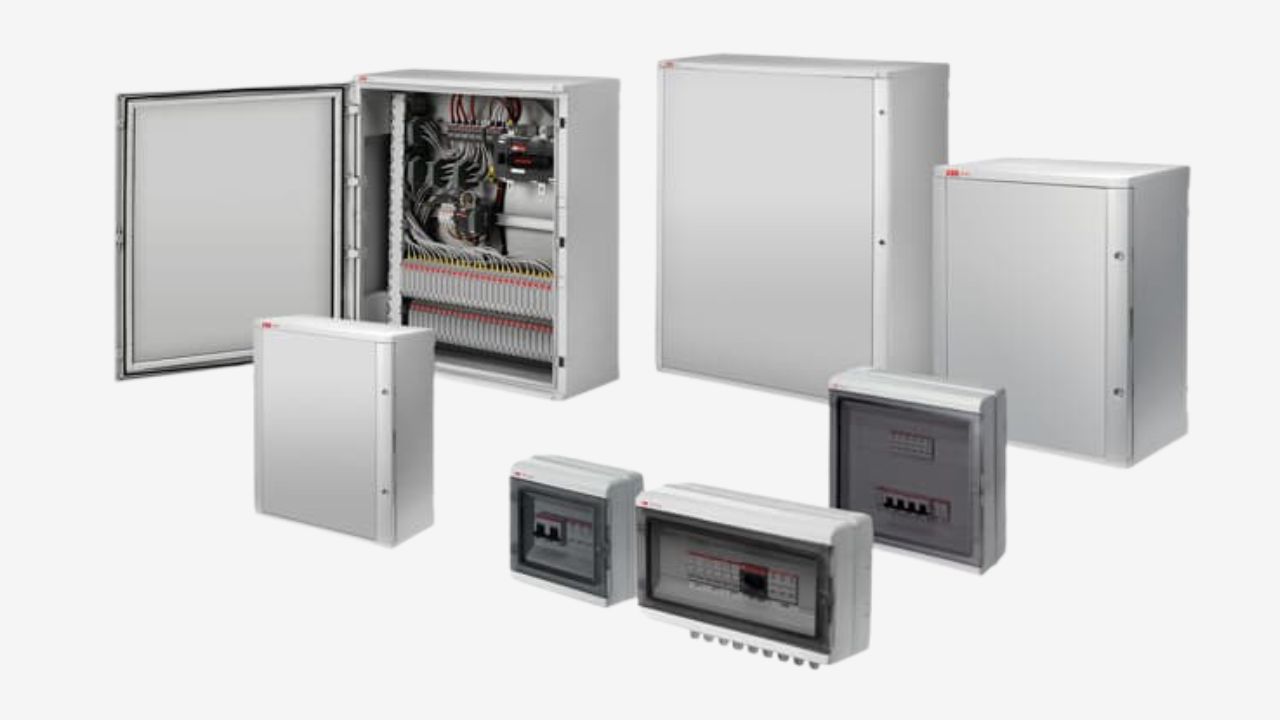
كيف يعمل صندوق تجميع الخلايا الكهروضوئية في نظام كهروضوئي
يمكن تلخيص أغراض صندوق تجميع الخلايا الكهروضوئية في نظام الخلايا الكهروضوئية في ثلاث خطوات أساسية: التجميع والحماية والمراقبة (صندوق تجميع الخلايا الكهروضوئية الذكي).
الجمع
تُوصل وحدات الخلايا الكهروضوئية على التوالي لتشكيل مجموعات متسلسلة ذات جهد تيار مستمر أعلى. تُوصل كابلات التيار المستمر الموجبة والسالبة لكل مجموعة متسلسلة بمنافذ الإدخال المناسبة في صندوق التجميع. ويمكن تقسيم صندوق التجميع إلى صناديق تجميع لأربع مجموعات، وست مجموعات، وثماني مجموعات، واثنتي عشرة مجموعة، وما إلى ذلك، وذلك حسب منافذ الإدخال.
داخل صندوق تجميع الطاقة الشمسية، تُوصل الأقطاب الموجبة لجميع دوائر سلسلة الإدخال عبر مصهر تيار مستمر، ثم تُوصل بالتوازي مع قضيب توصيل مشترك. كما تُوصل جميع الأقطاب السالبة بالتوازي مع قضيب توصيل سالب مشترك. وأخيرًا، يؤدي قضيب التوصيل إلى زوج من كابلات الإخراج الرئيسية، والتي بدورها تؤدي إلى قسم إدخال التيار المستمر في العاكس.
حماية
حماية من التيار الزائدسينصهر مصهر التيار المستمر بسرعة عند تعطل أحد الأسلاك أو حدوث تيار عكسي. تعمل هذه الطريقة على عزل السلك المعطل لمنعه من التأثير على الأسلاك الأخرى السليمة والعاكس.
الحماية من زيادة التيار: يتم استخدام جهاز الحماية من الصواعق لحماية المعدات الموجودة في اتجاه التيار من الجهد الزائد العابر الناتج عن الحث الصاعق أو عملية التبديل.
يراقب
تم تجهيز صندوق تجميع الخلايا الكهروضوئية الذكي بوحدة لجمع البيانات، قادرة على مراقبة تيار التيار المستمر للسلسلة، والجهد الكلي للتيار المستمر، والتيار الكلي، ودرجة الحرارة داخل الصندوق، وحالة المصهرات في الوقت الفعلي. تُرفع هذه البيانات إلى منصة المراقبة أو العاكس. كما يمكنك تحديد موقع السلسلة المعيبة بدقة عن بُعد، مما يُحسّن كفاءة التشغيل.
كيفية اختيار صندوق تجميع الطاقة الشمسية الكهروضوئية المناسب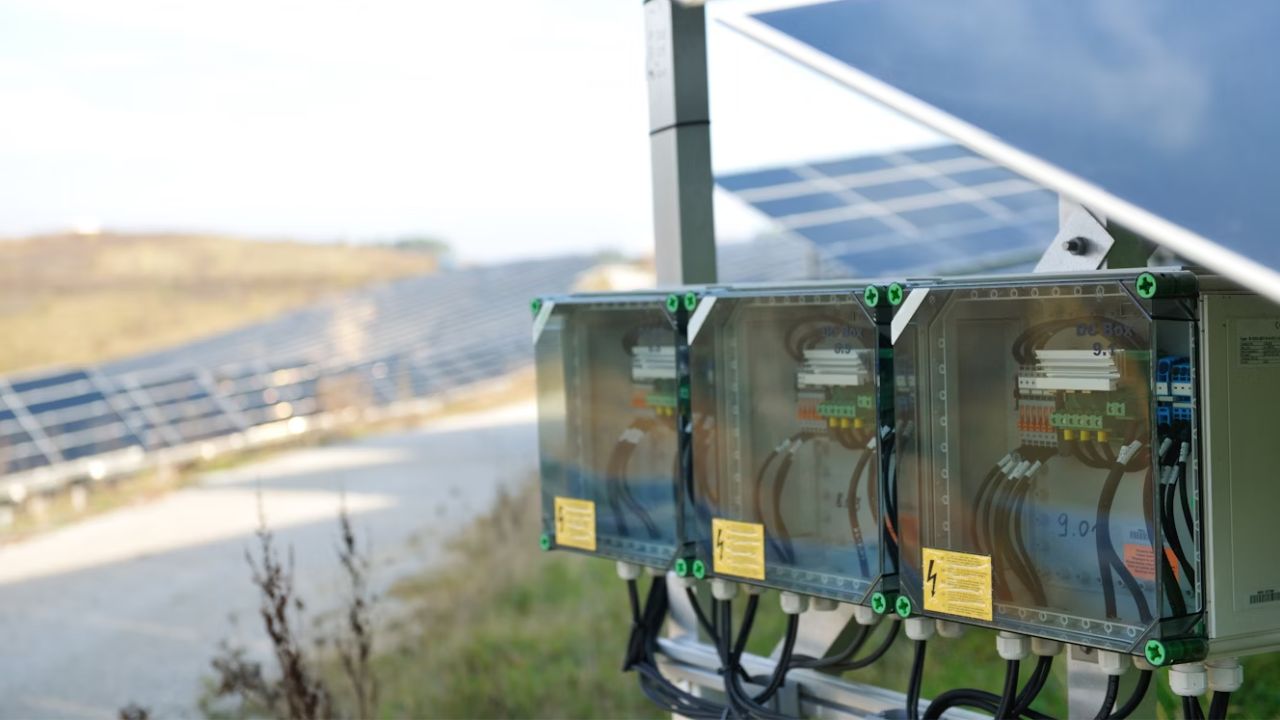
مطابقة المعلمة الكهربائية الرئيسية
عليك الاختيار بين بنية 1000 فولت أو 1500 فولت بناءً على تصميم نظام الطاقة الشمسية الكهروضوئية لديك. يمكنك اختيار صندوق تجميع الطاقة الشمسية الكهروضوئية المناسب مباشرةً لقيمة الجهد. يتطلب نظام 1500 فولت معايير عزل أعلى للمكونات، وهو الخيار الأكثر شيوعًا حاليًا لمحطات الطاقة واسعة النطاق.
بعد ذلك، يمكنك اختيار إدخال عدد السلاسل النصية بحيث يكون مساوياً أو يزيد قليلاً عن إجمالي عدد مجموعات السلاسل النصية. على سبيل المثال، إذا كان لديك 20 سلسلة نصية، يمكنك اختيار 20 أو 22 سلسلة نصية. تُحفظ السلاسل النصية الإضافية للتوسعات المستقبلية.
يجب عليك أيضًا مراعاة الحد الأقصى لتيار الدائرة القصيرة للوحدات الكهروضوئية المختارة في ظل الظروف القاسية، والنظر في هامش أمان لا يقل عن 1.25 مرة.
لمنع زيادة الحمل على الدائرة، يجب أن يكون التيار المقنن لقاطع الدائرة الرئيسي في صندوق قضيب التوصيل وقدرة حمل التيار لقضيب التوصيل الداخلي أكبر من أو يساوي مجموع تيارات التشغيل القصوى لجميع السلاسل.
مراعاة احتياجات المراقبة
بناءً على متطلبات تصميم نظامك، عليك اختيار ما إذا كنت ستختار صندوق تجميع الطاقة الشمسية الذكي للمراقبة. يُعد صندوق تجميع الطاقة الكهروضوئية القياسي أكثر ملاءمة للمشاريع الصغيرة ذات الميزانيات المحدودة، أو الأنظمة الصغيرة، أو التي لا تتطلب تشغيلاً وصيانةً تفصيليين.
إذا كنت ستستخدمه في الصناعة والتجارة ومحطات الطاقة، فإن صندوق التجميع الذكي هو خيارك الأفضل.
إضافةً إلى ذلك، عليك مراعاة ما إذا كنت تحتاج إلى وظائف متقدمة. إذا كان مشروعك يعتمد على لوائح السلامة الإلزامية، فعليك اختيار صندوق تجميع مزود بخاصية كشف القوس الكهربائي للتيار المستمر وخاصية الإيقاف السريع.
الظروف البيئية
بحسب بيئة التركيب، عليك اختيار تصنيف الحماية المناسب. بالنسبة للتركيبات الخارجية، يُعدّ تصنيف IP65 شرطًا أساسيًا. أما بالنسبة للبيئات الساحلية أو الممطرة، فيمكنك اختيار IP66.
يُعدّ الفولاذ المجلفن المصنوع من الألومنيوم خيارًا شائعًا لمواد التغليف، نظرًا لفعاليته من حيث التكلفة ومقاومته الجيدة للتآكل. أما الفولاذ المقاوم للصدأ فهو أكثر ملاءمة للبيئات شديدة التآكل، ولكنه أغلى ثمنًا.
إضافةً إلى ذلك، يجب عليك التحقق مما إذا كان الصندوق يحتوي على فتحات تهوية أو مراوح تبريد. إذا كان نظامك مُثبّتًا بكثافة ويحمل تيارًا عاليًا، فإن إدارة الحرارة أمر لا غنى عنه.
وأخيراً، بناءً على خطة مشروعك، اختر طريقة التركيب المناسبة، مثل التركيب على الحائط، أو التركيب على عمود، أو التركيب على الأرض.
متطلبات السلامة والشهادات
إلى جانب وظائف صندوق التجميع، يجب عليك أيضًا التحقق مما إذا كان المنتج حاصلًا على شهادات اعتماد من جهات معتمدة، مثل CE في الاتحاد الأوروبي أو UL في الولايات المتحدة. عند الشراء، يُنصح بإعطاء الأولوية لعلامة تجارية ذات سمعة طيبة في مجال الطاقة الشمسية الكهروضوئية. كما يجب التأكد من موثوقية المنتج وجودة منتجاته وتوفر خدمة ما بعد البيع.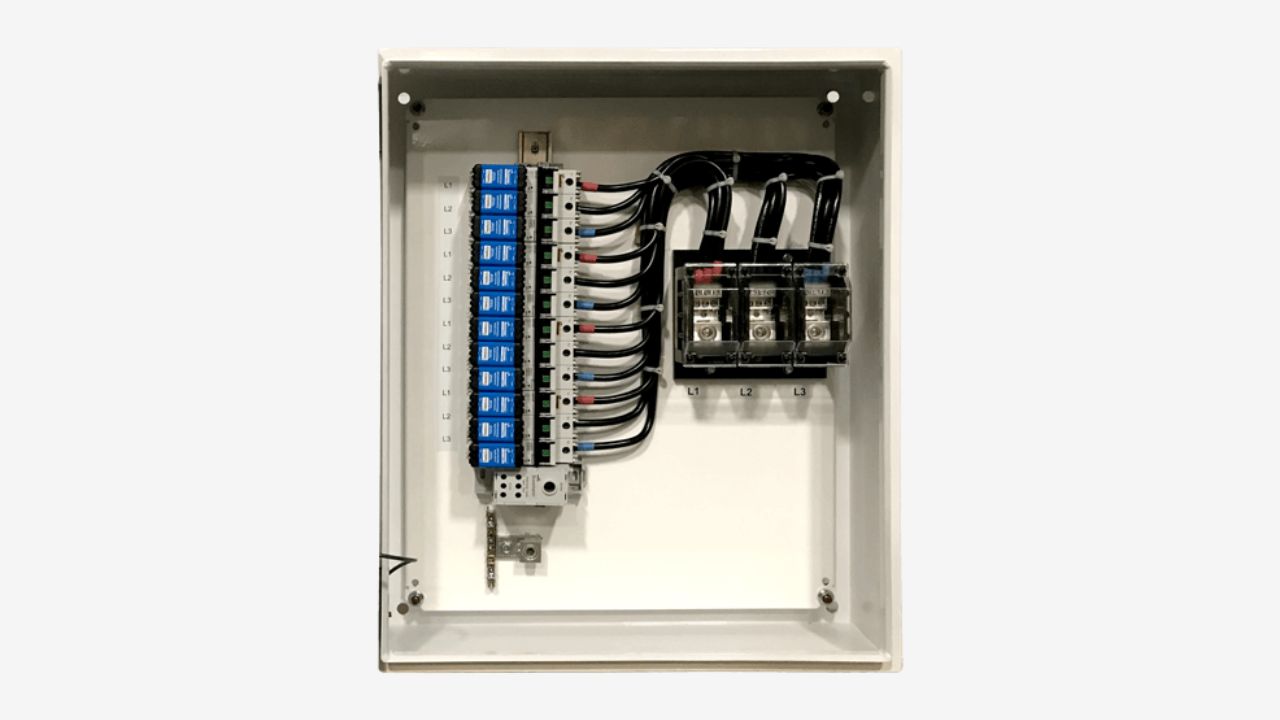
التعليمات
ما الفرق بين صندوق التجميع ومحطات إدخال التيار المستمر داخل العاكس؟
تتمثل وظيفة صندوق التجميع في توفير حماية ومراقبة مستقلة لكل سلسلة. يستطيع هذا الصندوق عزل العاكس وحمايته بدقة عند حدوث عطل، بينما تُعد أطراف العاكس مجرد نقطة توصيل عامة، ولا يمكنها إدارة كل سلك وحمايته بشكل مستقل.
هل تتطلب أنظمة الطاقة الشمسية الكهروضوئية السكنية الصغيرة أيضًا صناديق تجميع مستقلة؟
عمومًا، ليس ذلك ضروريًا. فمعظم أنظمة الطاقة الشمسية الكهروضوئية السكنية الحديثة قادرة على توصيل سلاسل الألواح مباشرةً بالعكس. ويعود ذلك إلى صغر حجم هذه الأنظمة نسبيًا، حيث حلت الحماية المدمجة للعكس محل وظائف الحماية الأساسية لصندوق التجميع المستقل. علاوة على ذلك، فإن إضافة أجهزة مستقلة غير مجدية اقتصاديًا للأنظمة الصغيرة.
ما هي المتطلبات البيئية لتركيب صندوق تجميع الألواح الكهروضوئية؟
يجب تركيب صندوق تجميع الألواح الكهروضوئية في مكان جيد التهوية، بارد وجاف، ويجب إبعاده عن المواد القابلة للاشتعال والانفجار. كما يجب أن يكون ارتفاع التركيب والمساحة المحيطة به مناسبين للمراقبة والتشغيل والصيانة. ويجب أن تتناسب مادة الغلاف مع ظروف بيئة التركيب.
هل وظيفة الحماية من زيادة التيار في صندوق تجميع الألواح الشمسية دائمة؟
لا، جهاز الحماية من ارتفاع الجهد (SPD) هو جهاز استهلاكي. فهو يمتص ويبدد طاقة ارتفاع الجهد عن طريق استهلاك مكوناته الداخلية. لذلك، يجب عليك فحص حالته بانتظام واستبداله عند الحاجة.
الخلاصة
تُوفر لكم شركة KDM صناديق تجميع موثوقة ومتناسقة. لدينا سنوات عديدة من الخبرة في تصنيع العلب الكهربائية حسب الطلب، وحصلنا على العديد من الشهادات. نستخدم مواد خام عالية الجودة وتقنيات إنتاج متطورة. إذا كانت لديكم أي متطلبات خاصة بالعلب الكهربائية، يُمكننا الاستجابة بسرعة وتقديم حلول مُخصصة لكم. لا تترددوا في التواصل معنا. اتصل بنا.
 Arabic
  English
  French
  Spanish
  Russian
  Japanese
  Korean
  Portuguese
  Indonesian
  Chinese