


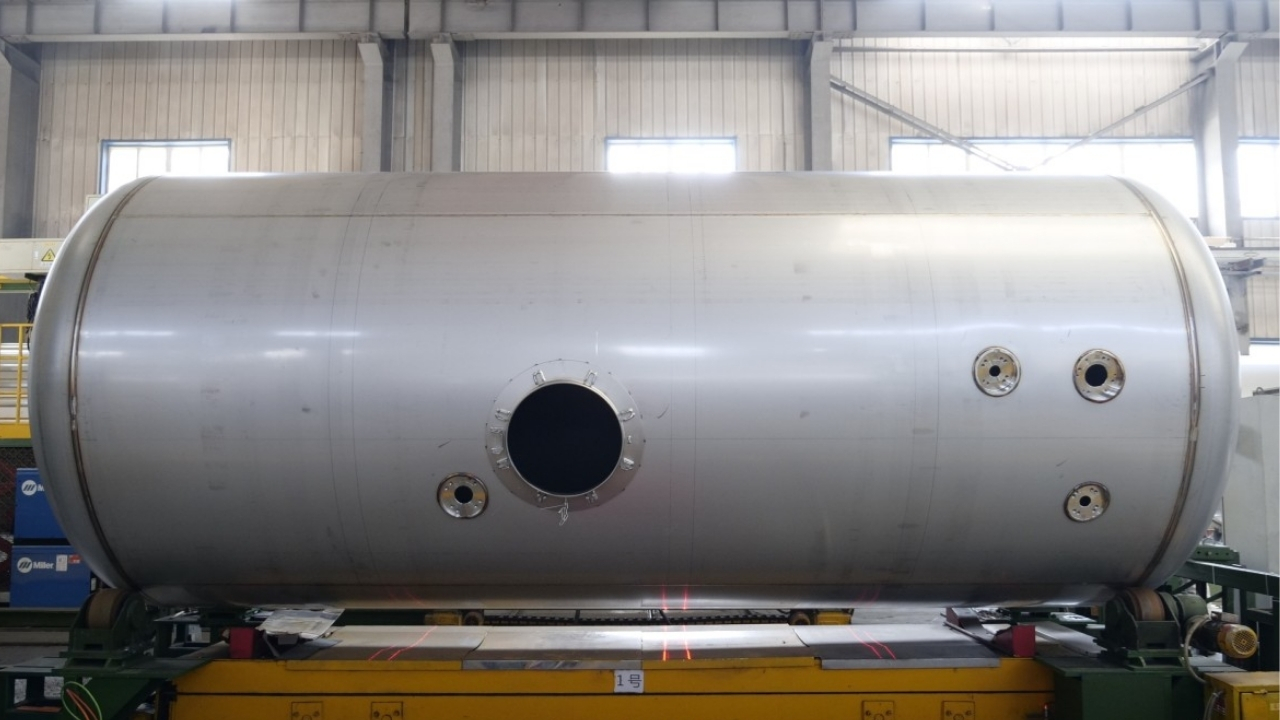
ال اللحام ل خزانات من الفولاذ المقاوم للصدأ يجب القيام بذلك بدقة وباستخدام الأساليب المناسبة التي تضمن قوتها ومتانتها. بالنسبة للمصنعين والمصنّعين والمهندسين، من المهم استخدام تقنيات اللحام المناسبة لمنع حدوث عيوب مثل التشوه أو اللحامات الضعيفة.
تقدم لك هذه المقالة النصائح والتقنيات وأفضل الممارسات التي تحتاجها بشدة والتي ستتيح لك الحصول على لحام فعال وعالي الجودة لخزانات الفولاذ المقاوم للصدأ.
عمليات اللحام الرئيسية لخزانات الفولاذ المقاوم للصدأ
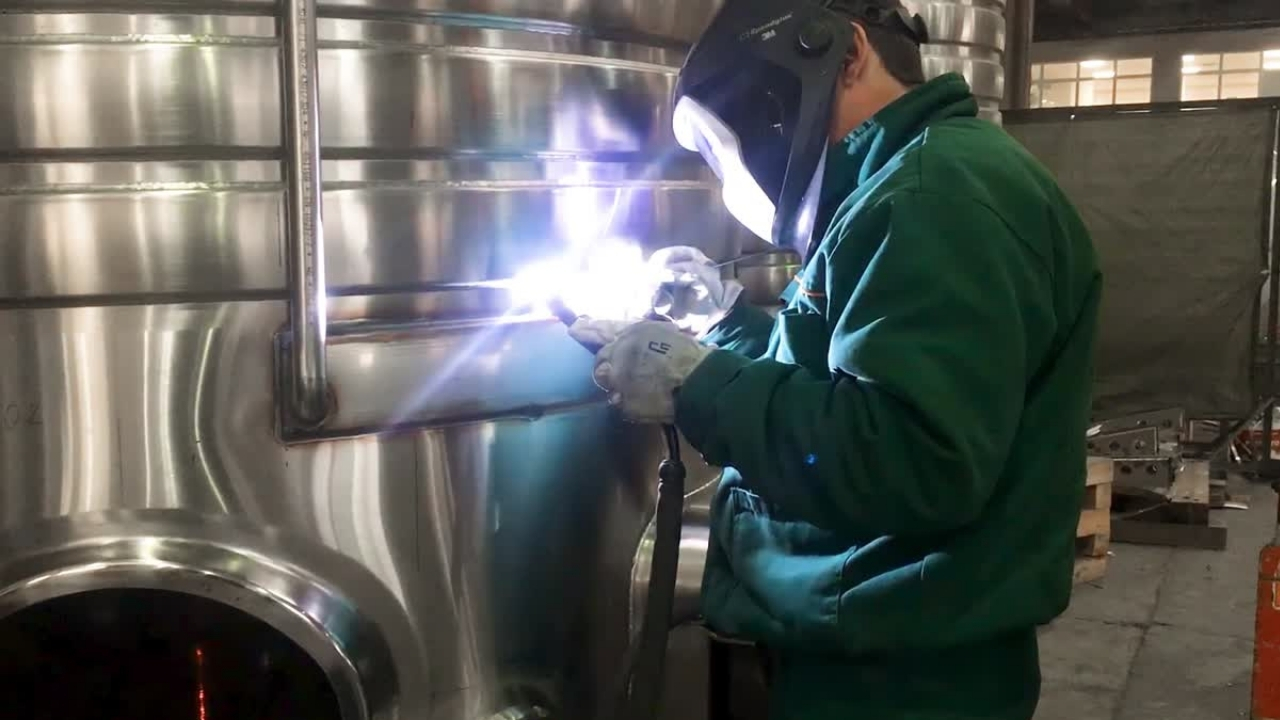
· لحام قوس غاز التنغستن (GTAW / TIG)
لحام TIG، ويشار إليه أيضًا باسم GTAW, يُعد هذا الجهاز مثاليًا للحام خزانات الفولاذ المقاوم للصدأ. فهو يوفر دقة عالية في إدخال الحرارة، ويُنتج لحامات نظيفة وعالية الجودة. كما أنه مثالي للمواد الرقيقة وللحالات التي تتطلب قوة لحام عالية ومظهرًا أنيقًا.
· لحام القوس المعدني بالغاز (GMAW / MIG)
أكثر أنواع اللحام شيوعاً في خزانات الفولاذ المقاوم للصدأ هي لحام MIG أو اللحام بالقوس المعدني المحمي بالغاز (GMAW). يتميز هذا النوع بمعدل لحام أعلى ويمكن استخدامه في المقاطع السميكة. يوفر اللحام بالقوس المعدني المحمي بالغاز (MIG) لحامات ذات قوة جيدة ولا تتطلب سوى القليل من التنظيف بعد اللحام. وهو فعال من حيث التكلفة نظرًا لكفاءته العالية، ويمكن استخدامه في المشاريع الكبيرة.
· اللحام بالقضيب (اللحام بالقوس المعدني المحمي)
تُعدّ اللحام بالقضيب تقنية شائعة الاستخدام للفولاذ المقاوم للصدأ، وهي مناسبة للبيئات الخارجية القاسية. يُعدّ هذا الخيار بديلاً جيداً عند استخدام خزانات ثقيلة أو التعامل مع مواد ثقيلة، على الرغم من أنه يُنتج سطحاً خشناً. كما أنه اقتصادي في الإنتاج بكميات صغيرة.
· اللحام بالقوس الكهربائي المغمور واللحام بالقوس الكهربائي ذي القلب المتدفق
تستخدم اللحام بالأسلاك المحشوة مادة لحام واقية وإلكترودًا أنبوبيًا، وهو مناسب للحام الفولاذ المقاوم للصدأ بدرجة حرارة عالية وبجودة عالية. أما اللحام بالقوس المغمور، فهو فعال في إنتاج الخزانات الضخمة نظرًا لقدرته على اختراق عميق وتقليل تناثر المعدن. وكلا النوعين هما الأفضل في التصنيع بكميات كبيرة.
· طرق متقدمة أخرى
تقنيات اللحام الأخرى، مثل اللحام بالليزر و لحام شعاع الإلكترون،, تتميز هذه التقنيات بدقة وسرعة عاليتين، وهي مناسبة لخزانات الفولاذ المقاوم للصدأ المتخصصة ذات التصميمات أو الاحتياجات المعقدة. تُنتج هذه التقنيات أقل قدر من التشوه ولحامات عالية الجودة، ولكنها تتطلب معدات ومهارات باهظة الثمن.
| عملية اللحام | أفضل حالة استخدام |
| لحام القوس الكهربائي بالغاز الخامل / لحام القوس الكهربائي بالغاز الخامل | مواد رقيقة، قوة عالية، لحامات نظيفة |
| GMAW / MIG | مشاريع ضخمة، مواد سميكة، فعالية من حيث التكلفة |
| اللحام بالقوس الكهربائي (SMAW) | خزانات شديدة التحمل، بيئات خارجية |
| اللحام بالقوس المغمور واللحام بالأسلاك المحشوة | إنتاج واسع النطاق، وانتشار عميق |
| الأساليب المتقدمة (الليزر، EBW) | تصاميم معقدة ومتخصصة، تشويه ضئيل |
الاستعداد للحام خزانات الفولاذ المقاوم للصدأ

· تحضير المواد
خزان من الفولاذ المقاوم للصدأ تتطلب عملية اللحام تحضيرًا دقيقًا للمادة. امسح السطح جيدًا لإزالة جميع المواد الضارة كالزيوت والصدأ والقشور. هذا يضمن جودة لحام أفضل، والتصاقًا أقوى، ويقلل من احتمالية حدوث عيوب.
· التصميم والتركيب المشترك
لضمان لحامات قوية وخالية من التسريبات، يلزم تصميم دقيق للوصلات وتركيبها بشكل صحيح. تأكد من شطف الحواف بشكل سليم وتطابق الأجزاء. هذا يمنع التشوه ويقلل الحاجة إلى اللحام المفرط.
· لحام موضعي
تُستخدم اللحامات الموضعية لتثبيت الأجزاء مؤقتًا قبل اللحام النهائي. فهي تُساعد في تتبع العمل وتمنع التشوه. تُثبّت اللحامات الموضعية في مواقع رئيسية لضمان ثبات أجزاء الخزان حتى اكتمال اللحام بالكامل.
· التطهير والحماية
يمنع التنظيف والحماية أكسدة الفولاذ المقاوم للصدأ أثناء اللحام. استخدم غازات خاملة مثل الأرجون لتغطية منطقة اللحام وحمايتها من الملوثات. كما يُسهم التنظيف الصحيح في تقوية اللحامات، مما ينتج عنه لحامات أقوى وأكثر متانة مع تغير طفيف في اللون.
تقنيات اللحام وأفضل الممارسات
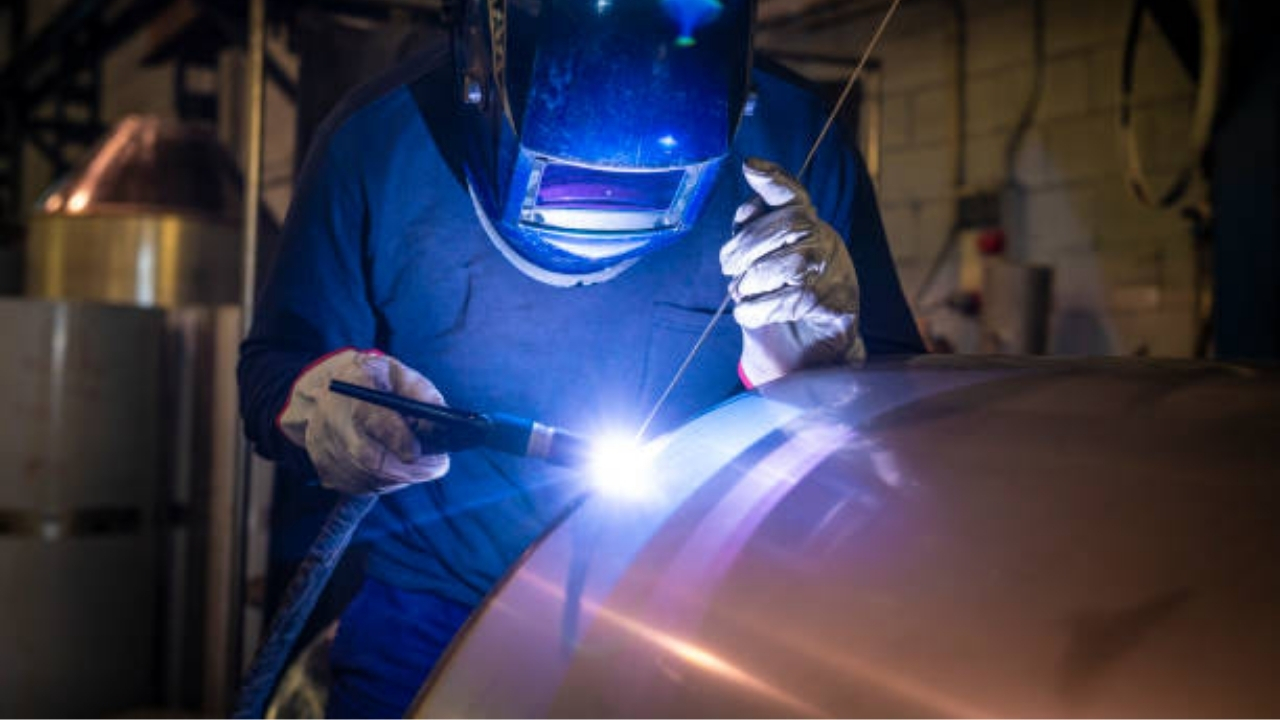
· التحكم في مدخلات الحرارة
يُعدّ التحكم في كمية الحرارة المُدخلة أمرًا بالغ الأهمية في لحام خزانات الفولاذ المقاوم للصدأ. فالحرارة الزائدة تُؤدي إلى التواء المادة وتغير لونها وإضعافها. لذا، يُنصح بتغيير شدة التيار وسرعة اللحام لضمان تحكم دقيق وثبات الحرارة أثناء عملية اللحام.
· إدارة الغاز الواقي
تضمن الإدارة السليمة لغاز الحماية منع التلوث والأكسدة أثناء عملية اللحام. يجب أن يكون غاز الأرجون أو خليط الأرجون عالي النقاء عند استخدامه مع الفولاذ المقاوم للصدأ. تأكد من أن تدفق الغاز مستقر وكافٍ لتغطية خط اللحام.
· سرعة الحركة والتحكم في القوس
يمكن تحسين جودة اللحام من خلال زيادة سرعة الحركة والتحكم في القوس الكهربائي. قد تؤدي السرعة العالية جدًا إلى اختراق غير فعال، بينما قد تؤدي السرعة البطيئة جدًا إلى ارتفاع درجة الحرارة. من المهم الحفاظ على سرعة ثابتة ومستقرة للحصول على لحامات متجانسة ذات عيوب قليلة.
· اختيار مواد الحشو
تتطلب اللحامات القوية اختيار مادة الحشو المناسبة في خزانات الفولاذ المقاوم للصدأ. يجب أن تتوافق سبيكة الحشو مع المادة الأساسية لتحقيق القوة المثلى ومقاومة التآكل. تتكون مواد الحشو في الغالب من الفولاذ المقاوم للصدأ ER308L 304 والفولاذ المقاوم للصدأ ER316L 316.
· استراتيجيات اللحام متعدد المراحل
قد تحتاج الخزانات المصنوعة من الفولاذ المقاوم للصدأ ذات السماكة الأكبر إلى لحام متعدد الطبقات. ضع طبقات متعددة من معدن اللحام للحصول على السماكة والقوة المطلوبتين. تأكد من التحكم في درجات الحرارة بين الطبقات لمنع التشققات وضمان اختراق متساوٍ في جميع أنحاء اللحام.
· نصائح لتنظيف اللحام
تُقلل عملية تنظيف اللحام من الأكسدة والتلوث أثناء لحام الفولاذ المقاوم للصدأ. يتم تنقية الجزء الداخلي من الخزانات باستخدام غاز الأرجون لضمان عدم ملامسة الأكسجين أثناء اللحام. عند إجراء عملية التنظيف بشكل صحيح، تكون اللحامات أنظف وأقوى وأكثر جاذبية من الناحية الجمالية، مع تقليل تغير اللون.
معالجة ما بعد اللحام
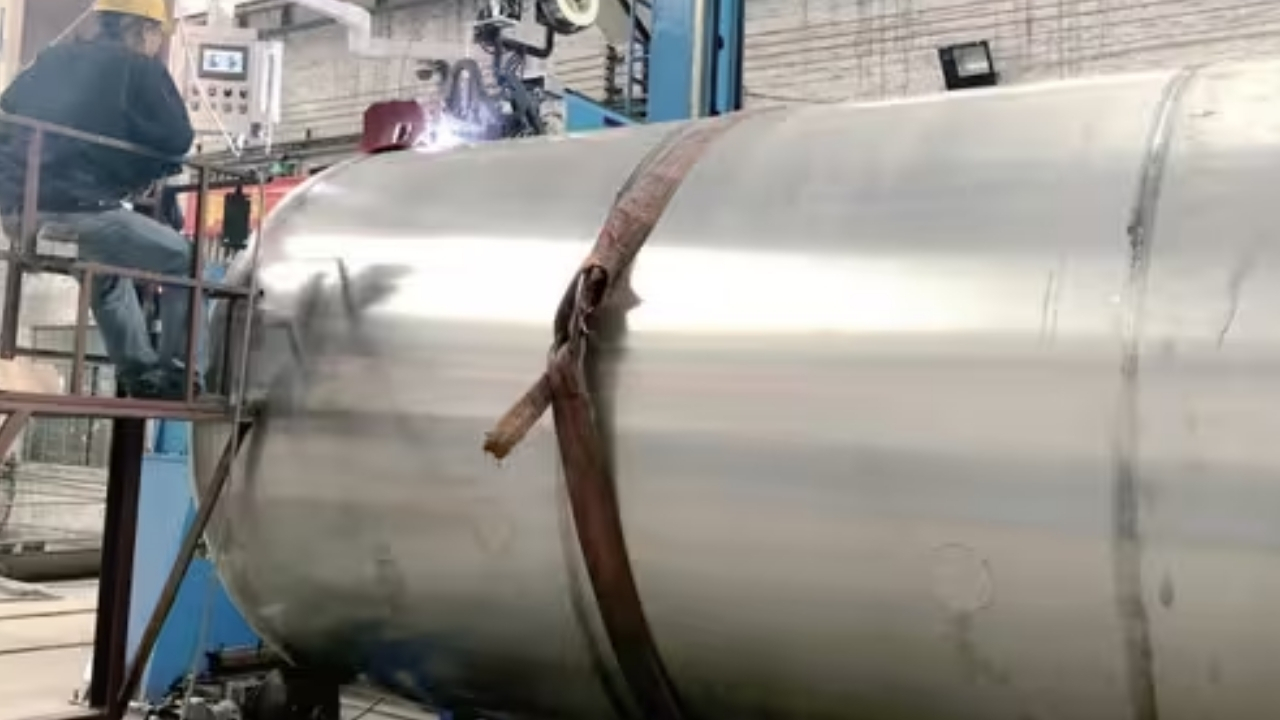
· الفحص والاختبار
تخضع خزانات الفولاذ المقاوم للصدأ لفحوصات واختبارات ما بعد اللحام. وتشمل هذه الفحوصات عادةً الفحص البصري، والفحص بالموجات فوق الصوتية، والفحص بالأشعة السينية. وتساعد هذه الطرق في الكشف عن العيوب مثل الشقوق، والمسامية، أو عدم الاختراق.
· التشطيب والتنظيف
تُزيل عملية التشطيب والتنظيف الشوائب وتُحسّن مظهر اللحام. ومن العمليات الشائعة في هذا المجال: التنظيف بالفرشاة السلكية، والتخليل، والتخميل. كما تُعزز هذه العمليات مقاومة الفولاذ المقاوم للصدأ للتآكل، وتضمن سطحًا أملسًا ونظيفًا.
· تخفيف التوتر والعلاج الحراري
تُقلل المعالجة الحرارية وتخفيف الإجهاد من الإجهادات الداخلية الناتجة عن اللحام. تُحسّن المعالجة الحرارية اللاحقة للحام الخصائص الميكانيكية للحام، كما تُساعد على تجنب التشوه والتشقق، وتُعزز القوة والمتانة الإجمالية لخزانات الفولاذ المقاوم للصدأ.
السلامة في لحام خزانات الفولاذ المقاوم للصدأ
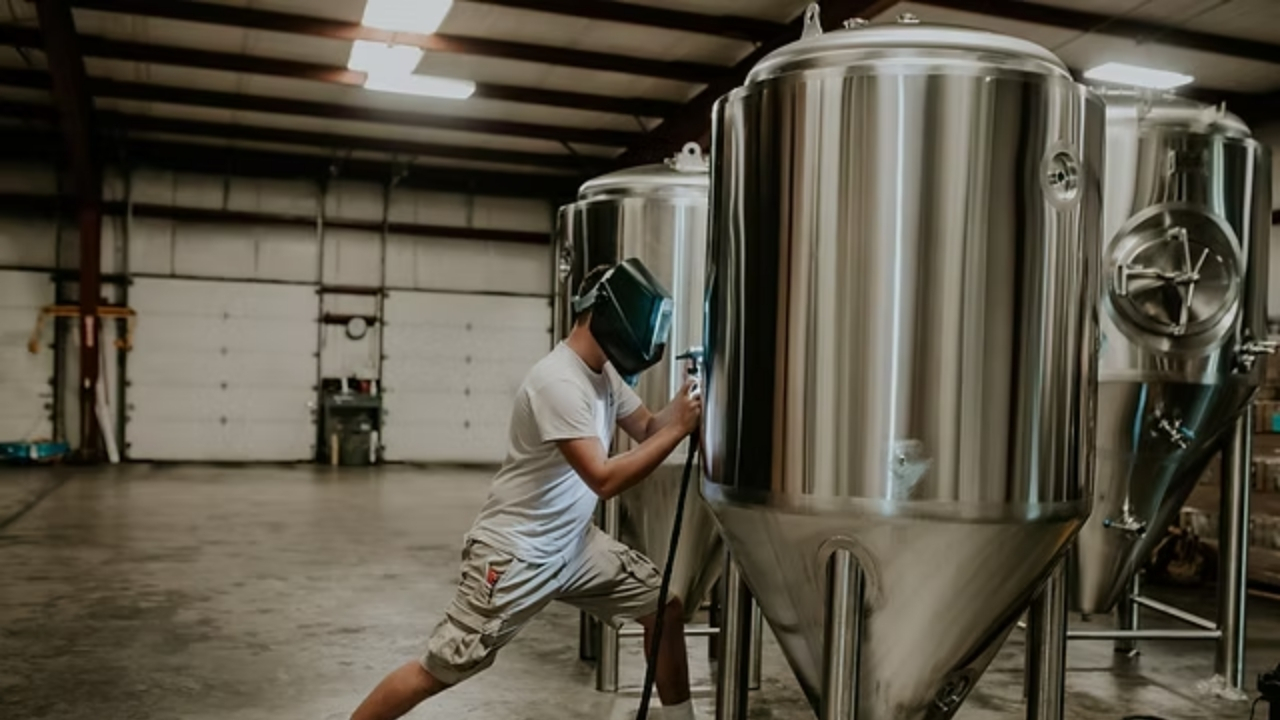
· معدات الحماية
يتطلب لحام خزانات الفولاذ المقاوم للصدأ استخدام معدات الوقاية الشخصية المناسبة. ارتدِ قفازات، وخوذات لحام ذات عدسات معتمة تلقائيًا، وملابس مقاومة للهب، وأحذية أمان. تحمي هذه المعدات من الحرارة والشرر والأشعة فوق البنفسجية السامة.
· التهوية والتحكم في الأبخرة
تساهم التهوية الجيدة والتحكم الفعال في الأبخرة في الحد من التعرض لأبخرة اللحام الضارة. يُنصح بتهوية أنظمة التهوية الموضعية (LEV) بالإضافة إلى ضمان دوران الهواء بشكل مناسب، مما يقلل من احتمالية استنشاق الغازات السامة مثل النيكل والكروم.
· التعامل مع مخاطر التلوث
قد تتأثر لحامات الفولاذ المقاوم للصدأ بالتلوث، مما يُعرّض سلامتها الهيكلية للخطر. لذا، احرص دائمًا على فحص المواد النظيفة والتحضير الجيد لتجنب الأوساخ والزيوت والرطوبة. استخدم دائمًا أدوات ومكونات نظيفة، واحفظها في مكان خالٍ من التلوث.
الأسئلة الشائعة
ما هي أفضل طريقة للحام خزانات الفولاذ المقاوم للصدأ؟
تعتمد أفضل تقنية أو عملية لحام على احتياجات المشروع. يُعدّ لحام القوس الكهربائي بالغاز الخامل (GTAW/TIG) مناسبًا للمواد الرقيقة التي تتطلب لحامًا عالي الجودة ودقيقًا. أما لحام القوس المعدني بالغاز الخامل (GMAW/MIG) فهو أكثر فعالية مع المواد السميكة، بينما يُعدّ لحام القوس الكهربائي بالقضيب (SMAW) فعالًا في البيئات الخارجية أو القاسية.
كيف يمكنني منع التواء الفولاذ المقاوم للصدأ عند لحامه؟
لتجنب التشوّه، يجب التحكم في كمية الحرارة المُدخلة من خلال ضبط شدة التيار وسرعة اللحام. كما يُنصح باللحام على أجزاء صغيرة، واستخدام لحامات تثبيت متقطعة، وترك المادة تبرد بين اللحامات. هذه الإجراءات تُقلل من التشوه وتحافظ على سلامة الهيكل.
لماذا يُعدّ التنظيف ضروريًا في لحام الفولاذ المقاوم للصدأ؟
يُعدّ التنظيف ضروريًا لتجنب الأكسدة والتلوث على الجانب الخلفي من اللحام. يوفر الغاز الخامل، مثل الأرجون، غطاءً للمنطقة المراد لحامها لمنع الأكسدة، مما يعني أن اللحام سيكون نظيفًا وعالي الجودة مع أقل قدر من تغير اللون.
هل لحام الفولاذ المقاوم للصدأ أصعب من لحام الفولاذ الكربوني؟
نعم، يُعدّ لحام الفولاذ المقاوم للصدأ أصعب من لحام الفولاذ الكربوني. فهو يتطلب ضبطًا أدقّ لدرجة الحرارة، كما أنه أكثر عرضةً لمشاكل مثل التشققات والأكسدة والتشوّه، نظرًا لكونه أكثر توصيلًا للحرارة وله خصائص كيميائية أخرى.
كيف تؤثر درجات الفولاذ المقاوم للصدأ المختلفة على استراتيجية اللحام؟
يتطلب الفولاذ المقاوم للصدأ، بأنواعه المختلفة كالفولاذ 304 و316 و430، طرق لحام مختلفة. فعلى سبيل المثال، يحتاج الفولاذ المقاوم للصدأ 316 إلى تسخين أعلى واستخدام مادة حشو معينة لتقوية وصلة اللحام، بينما يُعدّ الفولاذ 304 أقل تطلباً في هذه الجوانب وأسهل بكثير في اللحام.
هل يمكن لحام خزانات الفولاذ المقاوم للصدأ في أماكن ضيقة ومغلقة؟
نعم، من الممكن لحام خزانات الفولاذ المقاوم للصدأ في المساحات الضيقة؛ إلا أن ذلك يتطلب معدات خاصة. يُستخدم لحام القوس الكهربائي بالغاز الخامل (TIG) أو اللحام بالقضيب الكهربائي عادةً في المساحات الصغيرة، لأنه يوفر درجة تحكم أكبر في هذه المساحات مقارنةً بلحام القوس المعدني بالغاز الخامل (MIG).
خدمات لحام خزانات الفولاذ المقاوم للصدأ من شركة KDM Steel
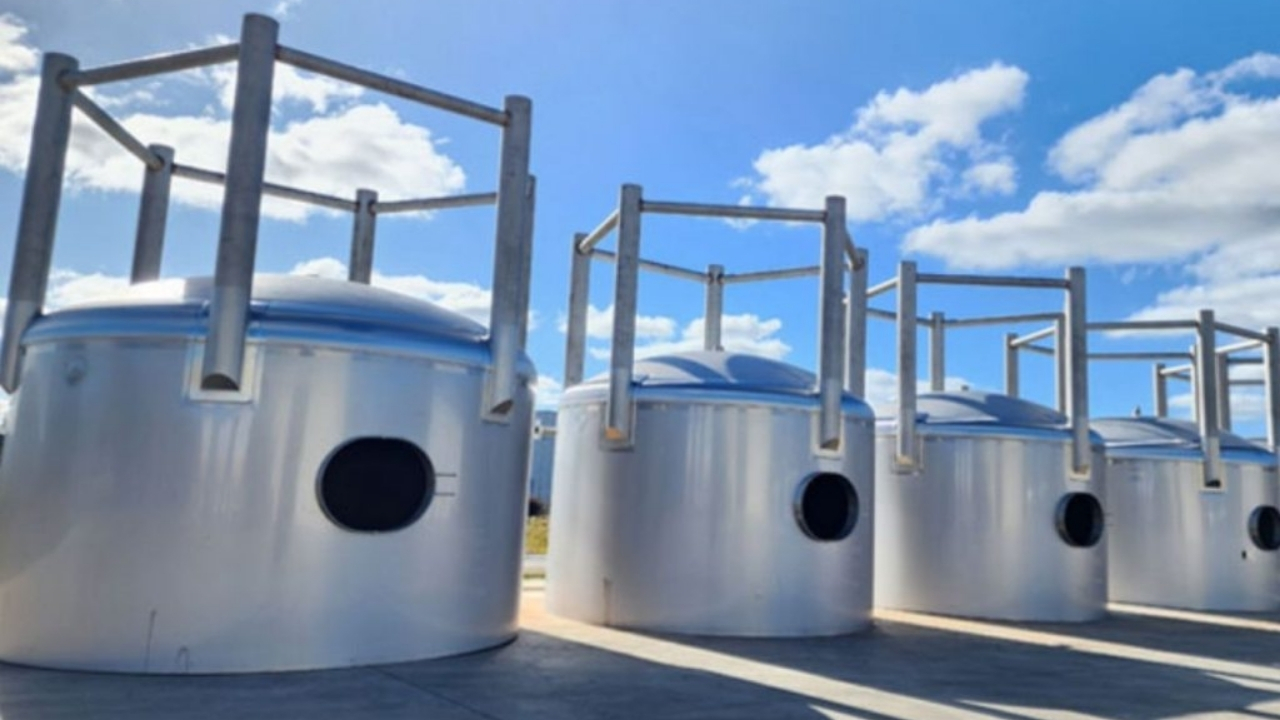
كيه دي إم ستيل هي شركة متخصصة في لحام خزانات الفولاذ المقاوم للصدأ. يمتلك فريقنا أحدث تقنيات اللحام، مما يضمن لحامات دقيقة ومتينة ومقاومة للتآكل في مختلف الاستخدامات الصناعية. نقدم حلولاً مصممة خصيصاً لتلبية احتياجاتكم. نوفر خدمات لحام عالية الجودة، ويمكنكم اتصل بنا وتحدث عن احتياجات مشروعك.
 Arabic
  English
  French
  Spanish
  Russian
  Japanese
  Korean
  Portuguese
  Indonesian
  Chinese